
Section 8 Vs Income-Restricted Apartments: Which Is Faster For Your Philly Move?

If you're trying to find affordable housing in Philadelphia, you've probably heard about Section 8 vouchers and income-restricted apartments. Both can help you get into a place you can actually afford, but here's the question everyone's asking: which one gets you housed faster?
Let's cut through the confusion and break down what you need to know about both options, and more importantly, which path might get you into your new home sooner.
What Exactly Is Section 8?
Section 8, officially called the Housing Choice Voucher Program, is a federal program that helps low-income families, seniors, and people with disabilities afford housing. Here's how it works: once you get approved, you receive a voucher that covers a portion of your rent. You find a place that accepts Section 8, and the voucher pays part of your rent directly to the landlord while you pay the rest.
The big advantage? You've got flexibility. You can use your voucher at any participating property in Philadelphia (and sometimes beyond), giving you more choices about where you want to live.

What Are Income-Restricted Apartments?
Income-restricted apartments are specific developments where the rent is capped based on your income. These include properties funded through programs like HUD Project-Based Section 8 or the Low Income Housing Tax Credit (LIHTC) program. Instead of bringing your own voucher, the affordability is built right into the property itself.
You apply directly to each building or complex, and if you qualify income-wise and a unit's available, you're in. Simple as that.
The Timeline Showdown: Which Gets You In Faster?
Alright, let's get to the heart of the matter. Income-restricted apartments are generally the faster option, but I'll be straight with you, neither is exactly quick.
Section 8 Wait Times
The reality with Section 8 in Philadelphia? The wait times are brutal. Historically, we're talking about 7 to 10 years on average. Yeah, you read that right, years, not months.
When Philadelphia Housing Authority reopened their Section 8 waitlist in January 2023, they received an overwhelming number of applications. They had to implement a lottery system and only selected 10,000 people to even get on the waitlist. Of those, just 2,000 received vouchers right away. Everyone else? Still waiting.
The centralized system creates this massive bottleneck. Everyone's funneling into one waitlist, and vouchers only become available when someone moves out of the program or when new funding comes through.
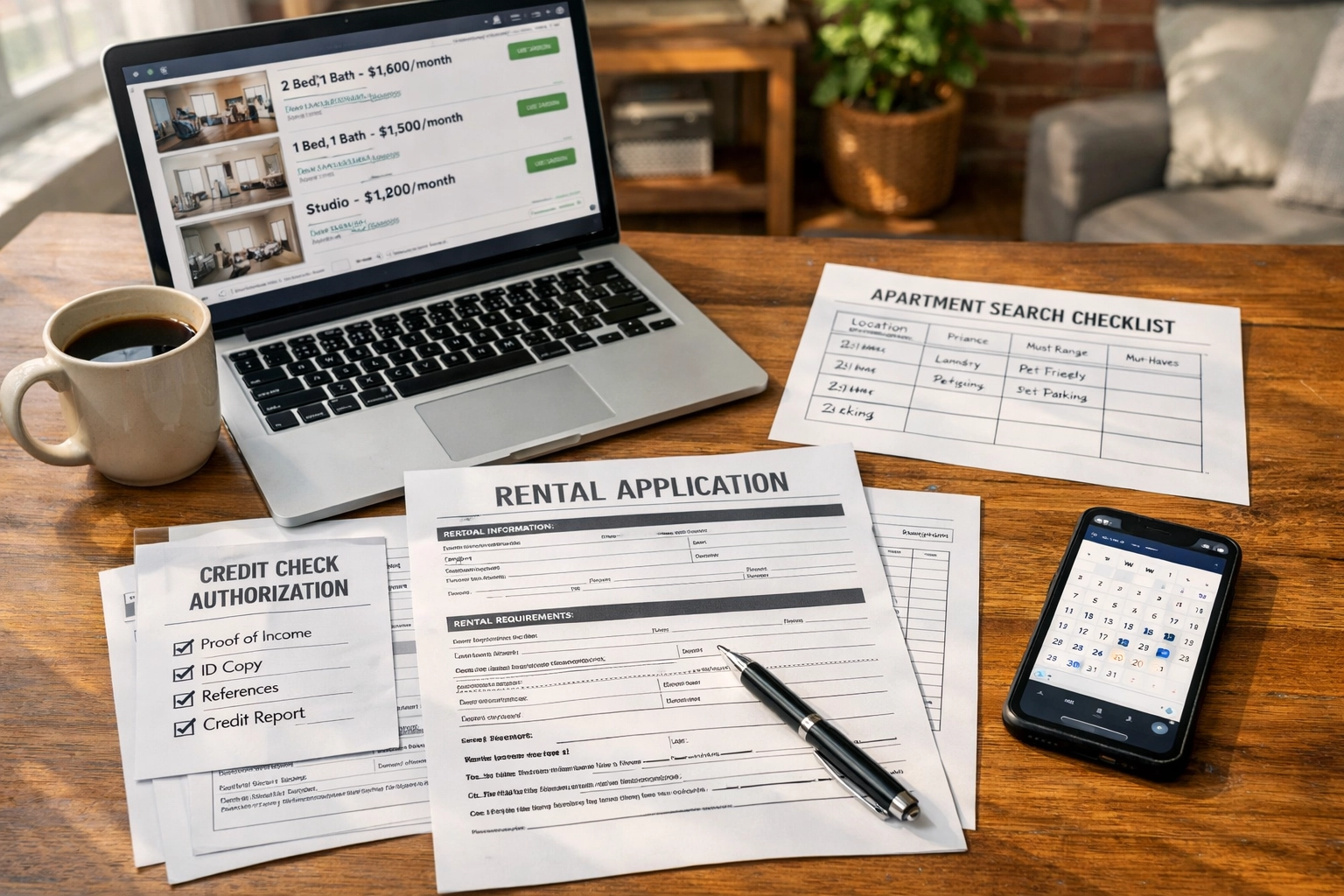
Income-Restricted Apartment Wait Times
Income-restricted apartments work differently. There's no single massive waitlist. Instead, each property maintains its own waiting list. You're applying to individual buildings, which spreads things out.
Wait times vary wildly depending on:
The specific property you're applying to
Your household size
Your income level
Current availability in that building
Location (some neighborhoods have shorter waits than others)
Some properties might have units available within weeks or a few months. Others might still have year-long waits. But here's the key difference: you can apply to multiple properties at once. Cast a wider net, and you're more likely to catch something sooner.
Breaking Down the Pros and Cons
Section 8 Advantages
Choice and flexibility: Use your voucher anywhere that accepts it
Portable: Can move to different properties while keeping your voucher
Covers more rent: Often pays a larger portion of your rent
Good for long-term stability: Once you have it, it's yours as long as you qualify
Section 8 Disadvantages
Extremely long wait times: Could be waiting a decade
Limited landlord acceptance: Not all landlords accept Section 8
Voucher search challenges: You've got limited time to find a place once you get the voucher
Strict program rules: Lots of paperwork and inspections
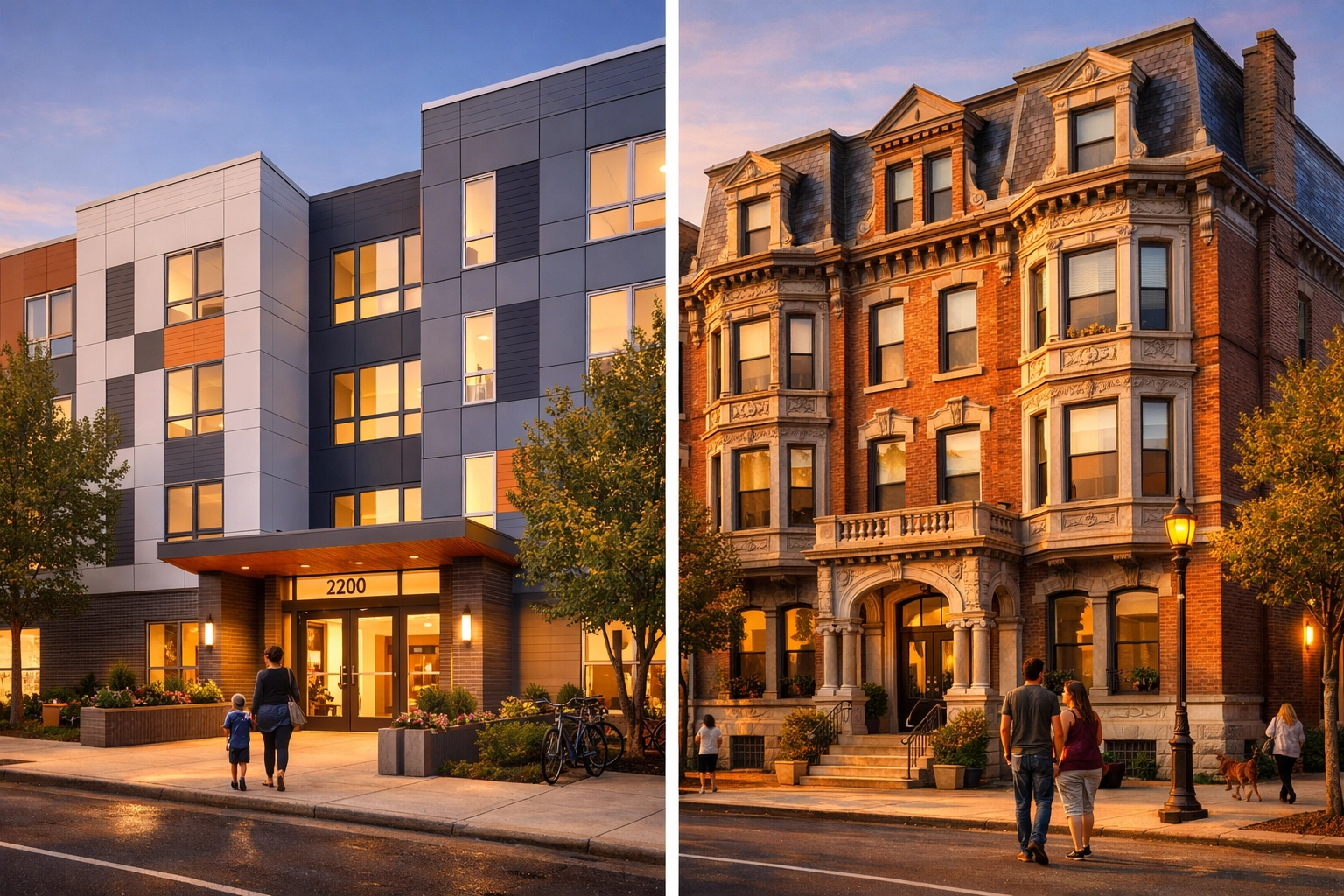
Income-Restricted Apartment Advantages
Faster access: Generally shorter wait times than Section 8
Apply to multiple properties: Increase your chances by applying everywhere
Immediate clarity: You know quickly if you qualify for a specific building
Built-in affordability: Rent is already set at affordable rates
Income-Restricted Apartment Disadvantages
Less flexibility: Tied to specific properties
Limited inventory: Fewer options overall compared to the private market
Still income restrictions: You need to recertify annually
Location limitations: Can't choose just any neighborhood
So Which One Should You Choose?
Here's my honest advice: apply to both. I know that sounds like more work, but hear me out.
Getting on the Section 8 waitlist (when it's open) doesn't prevent you from pursuing income-restricted apartments. If you get into an income-restricted apartment first, great: you've got housing. And if that Section 8 voucher comes through years later, you can decide then if you want to make a switch.
Think of Section 8 as your long-term backup plan and income-restricted apartments as your more realistic short-term strategy.
Practical Tips for Moving Faster
For Section 8 Applications
For Income-Restricted Apartments

Don't Forget About Other Resources
While you're waiting for either option, look into other assistance programs. Philadelphia has various rental assistance programs, and organizations throughout the city offer support services.
Need help navigating all this? We're here for you. At Philadelphia Affordable Housing, we understand how overwhelming this process can be. You can find more information and resources at our website to help you through your housing search.
The Bottom Line
If speed is your main concern, income-restricted apartments are your best bet. The decentralized application process and multiple opportunities give you a much better shot at getting housed within a reasonable timeframe.
But don't ignore Section 8 entirely. If the waitlist opens up, get your name on it. You never know how things might change, and having options is always better than not having them.
Housing insecurity is stressful enough without trying to decode all these programs. Remember, you're not alone in this, and there are people and organizations ready to help you find a place to call home. Stay persistent, keep applying, and don't give up. Your affordable apartment in Philadelphia is out there waiting for you.
Comments