
How to Get Approved for an Apartment in Philadelphia With Low Income (5 Steps That Actually Work)

Let's be real, finding an affordable apartment in Philly when you're working with a tight budget can feel like you're trying to solve a Rubik's cube blindfolded. Landlords want proof of income that's 3x the rent, credit scores that sparkle, and rental histories that look like you've been the world's most perfect tenant since birth.
But here's the thing: thousands of low-income families get approved for apartments in Philadelphia every single year. They're not magicians, and they don't have secret connections. They just know the right steps to take.
So if you're worried that your income isn't high enough, don't stress. We're breaking down the exact process that actually works, no fluff, no outdated advice, just real strategies you can use right now.
Step 1: Start with Subsidized Housing Programs (This Should Be Your First Move)
Before you spend hours scrolling through Craigslist or Zillow, you need to know about subsidized housing programs. These aren't just "welfare housing", they're legitimate federal and state programs designed to help working families afford safe, decent housing.
The big three options in Philadelphia are:
Section 8 Housing Choice Vouchers – You find the apartment, the government helps pay your rent
Public Housing – PHA-owned properties with income-based rent
Project-Based Subsidized Housing – Private apartments with built-in rental assistance
Here's how to apply: Contact the Philadelphia Housing Authority (PHA) at 215-684-4000, visit them in person at 2013 Ridge Ave, or apply online through the PHA Admissions portal. Fair warning: some waitlists are currently closed for conventional public housing, but there are still open waitlists for seniors, people with disabilities, and certain non-PHA properties.

You can also search for HUD Project-Based or Low Income Tax Credit Housing developments through PAHousingSearch. The advantage? You apply directly to individual developments, which often have shorter waitlists than Section 8.
Pro tip: Don't wait for "the perfect time" to apply. Waitlists can be 1-4 years long depending on unit size, so getting your name on that list ASAP is crucial, even if you're not ready to move today.
Step 2: Get Your Documentation Game Together
Once you've applied for subsidized programs, it's time to prepare for the tenant application process. Whether you're applying for subsidized or market-rate housing, landlords and property managers need proof that you can pay rent consistently.
Here's your documentation checklist:
Income verification – Recent paystubs (usually last 2-3 months), SSI/Social Security award letters, or unemployment benefits statements
Identification – Valid photo ID for every adult (18+) who'll be living in the apartment
Personal documents – Social Security cards and birth certificates for everyone in your household
Bank statements – Last 2-3 months to show financial stability
Employment verification – A letter from your employer on company letterhead
References – Contact info for previous landlords, employers, or personal references
If you're self-employed or working gig jobs, gather your last 2 years of tax returns and create a simple profit/loss statement showing your average monthly income.
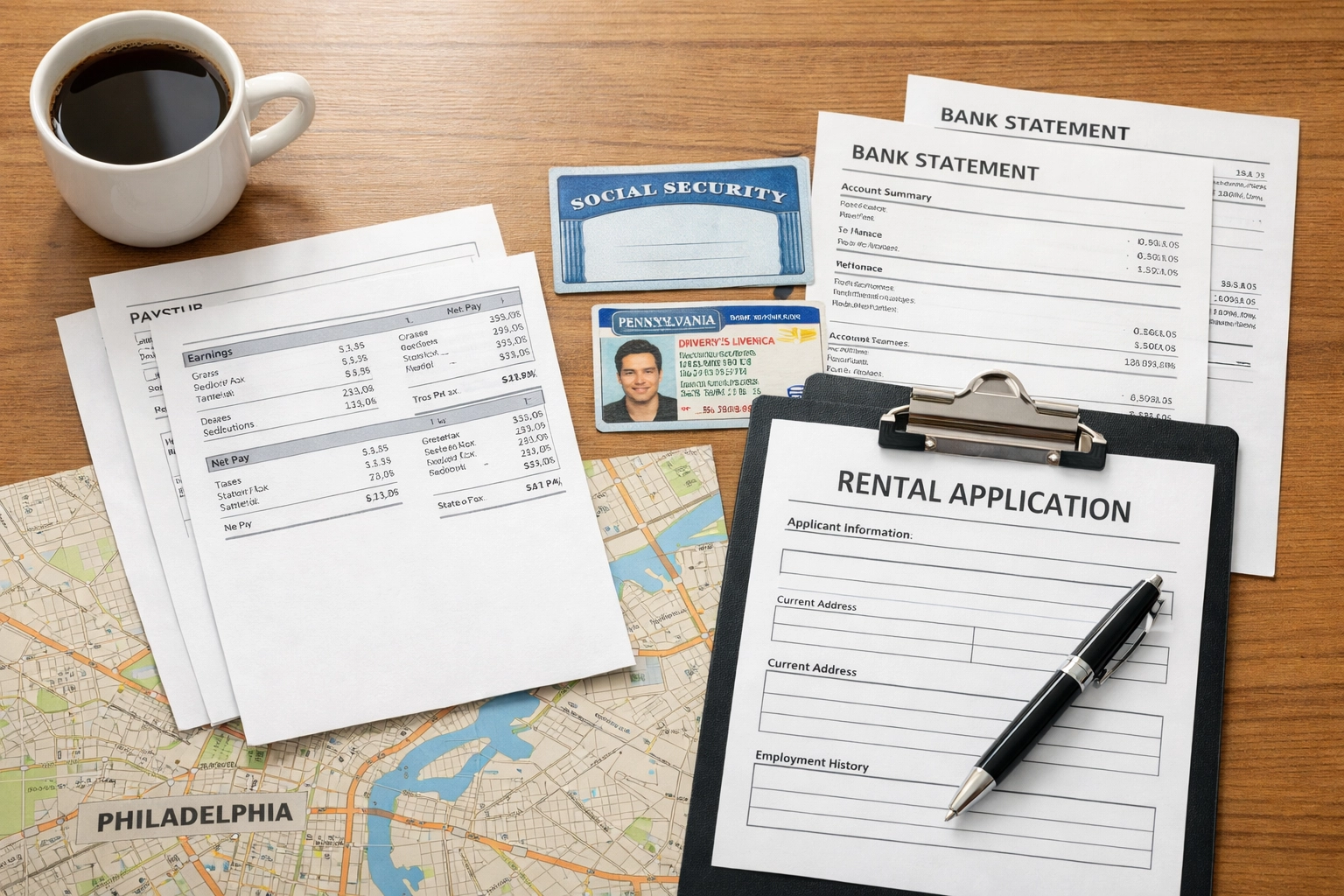
I know this seems like a lot, but think of it this way: every document you provide is evidence that you're a responsible tenant. Landlords are taking a risk on every renter, your job is to minimize that perceived risk with solid proof.
Step 3: Address Credit and Rental History Issues Head-On
Let's talk about the elephant in the room: bad credit or limited rental history. Maybe you've always lived with family. Maybe you had some financial struggles a few years back. Whatever the situation, pretending it doesn't exist won't help you.
Instead, take the offensive approach:
If you have limited or no rental history:
Get reference letters from anyone you've paid regularly (previous landlords, even if informal, utility companies, or employers)
Offer to pay a few months' rent upfront if you have savings
Provide character references from people who can vouch for your reliability
If you have credit issues or past evictions:
Write a brief, honest cover letter explaining what happened and what's changed since then
Show proof of recent financial stability, on-time bill payments, consistent savings deposits, or steady employment
Be prepared to discuss it during the application process rather than hoping it won't come up
Remember, landlords aren't necessarily looking for perfection, they're looking for reliability and honesty. Someone with a rough past who's clearly working to rebuild their life is often more trustworthy than someone who dodges questions or provides incomplete information.
Step 4: Fill Out Your Tenant Application Like Your Life Depends On It
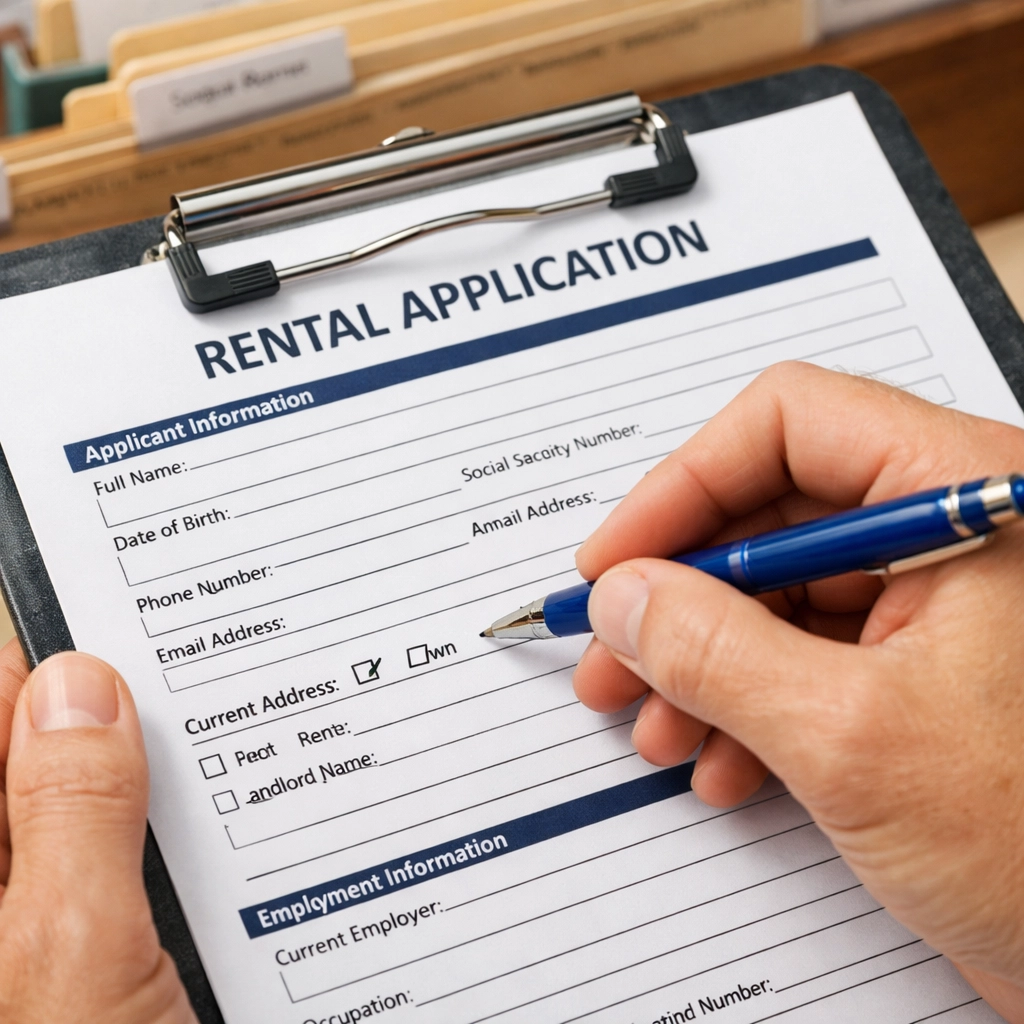
Okay, maybe your life doesn't literally depend on it, but your housing situation definitely does. When you're completing a rental application, whether for subsidized housing or a market-rate apartment, accuracy and completeness are everything.

Key sections you'll encounter:
Personal information (full legal name, date of birth, current address)
Employment history (current and previous jobs, income details)
Emergency contacts (someone who can reach you if needed)
Previous landlord references (contact info and rental dates)
Pet information (if applicable, always be honest about pets)
Consent for background and credit checks
Here's what most people get wrong: They rush through the application, leave sections blank, or provide vague answers. Don't be that person.
Instead:
Double-check everything before submitting, one typo in your Social Security number can delay your application for weeks
Answer every question honestly, "N/A" is better than blank
Pay attention to income requirements and be prepared to explain any gaps in employment
Submit everything together, application, documents, and the screening fee (capped at $50 in Philadelphia)
If you're applying in person, bring copies of all your documents. If you're applying online, make sure your scans are clear and readable. Blurry documents = delayed processing.
Need help with the application process? Check out more resources at Philadelphia Affordable Housing.
Step 5: Follow Up Without Being Annoying (There's a Balance)
Here's where most people drop the ball: they submit their application and then... crickets. They wait passively, hoping to hear back, and when they don't, they assume it's a rejection and move on.
Don't do that.
For market-rate apartments:
Follow up 2-3 days after submitting your application with a brief, polite email or call
Ask about the timeline for decisions (most landlords respond within 24-72 hours)
If you haven't heard back within a week, reach out again
Stay professional and friendly, you want to show interest without seeming desperate or pushy
For subsidized housing programs:
Understand that waitlists are long, sometimes years
You MUST follow up at least once per year to update your information and confirm you're still on the waitlist
If you don't update your status annually, you could be removed from the waitlist entirely
Keep your contact information current with PHA so you don't miss notifications
The key is persistence without being a pest. A simple "Hi, I wanted to check on the status of my application submitted on [date]" is perfect. It shows you're serious, organized, and still interested.
The Bottom Line
Getting approved for an apartment with low income in Philadelphia isn't impossible, it just requires a different approach than what you'd use with a traditional rental. By starting with subsidized housing programs, preparing thorough documentation, addressing potential concerns proactively, completing applications carefully, and following up consistently, you're setting yourself up for success.
Yes, it takes effort. Yes, it might take time. But every day you don't start is another day you're not on a waitlist or in front of a landlord who might say yes.
So take that first step today. Apply for Section 8. Search PAHousingSearch. Get your documents organized. You've got this: and we're here to help make affordable housing in Philadelphia a reality, not just a dream.
Comments