
What to Do if Youre Having Trouble Paying Rent

Life happens. Maybe you lost your job, had an unexpected medical bill, or your car broke down at the worst possible time. Whatever the reason, if you're struggling to pay rent this month, you're not alone: and there are real options to help you get through this.
At Philadelphia Affordable Housing, we understand that financial hardships don't come with a warning. The good news? There are resources, programs, and steps you can take right now to protect yourself and your home. Let's walk through what to do if you're having trouble paying rent.
Take a Deep Breath: Then Take Action
First things first: don't panic. We know that's easier said than done, but panicking won't help you find solutions. What will help is taking action as soon as possible.
The worst thing you can do is ignore the problem and hope it goes away. Landlords, assistance programs, and housing counselors are all more willing to work with you if you reach out before you miss a payment: not after.
As housing advocate and author Matthew Desmond once said, "Eviction is a cause, not just a condition, of poverty." The sooner you act, the better your chances of avoiding that path altogether.

Step 1: Talk to Your Landlord
This might feel uncomfortable, but hear us out. Many landlords would rather work with you than go through the costly and time-consuming eviction process. If you've been a reliable tenant, there's a good chance your landlord will be open to a conversation.
Here's how to approach it:
Be honest and upfront. Explain your situation clearly. You don't need to share every detail, but give them a sense of what's going on.
Propose a plan. Can you pay a partial amount now and the rest later? Would a short-term payment plan work? Come to the conversation with ideas.
Get everything in writing. If your landlord agrees to a modified payment arrangement, make sure you both sign something that outlines the new terms.
Remember, your landlord is a person too. A respectful, honest conversation can go a long way.
Step 2: Call 211 for Local Resources
If you're not sure where to start looking for help, dial 211. This free, confidential service connects you with local resources in your area, including rental assistance programs, food banks, utility assistance, and more.
You can also search online for "rental assistance + Philadelphia" to find programs specific to our area. Local government offices, libraries, and community centers often have information on available resources too.

Step 3: Apply for Rental Assistance Programs
There are several programs designed specifically to help renters who are struggling financially. Here are a few worth exploring:
Emergency Rental Assistance Program (ERAP)
The federal Emergency Rental Assistance Program provides funding to help cover:
Rent payments (current and past due)
Utility bills
Home energy costs
Depending on your location and circumstances, this program can cover up to 12-18 months of rent. State and local organizations administer these funds, so you'll want to apply through your local program.
Important note: Processing rental assistance applications can take several weeks. If you're worried about eviction, don't wait: apply now and explore temporary options while your application is being reviewed.
Housing Choice Vouchers (Section 8)
Section 8 vouchers help families with low incomes, seniors, and people with disabilities pay for housing in privately owned apartments and homes. The voucher covers all or part of your rent, depending on your income.
To learn more about eligibility and how to apply, contact your local public housing agency. Waitlists can be long, so it's worth getting on the list even if you're not in immediate crisis.
Subsidized Housing
Subsidized housing programs reduce rents for tenants with low incomes. You can search for participating communities in Philadelphia using the HUD map on their website. These programs can be a great long-term solution if you're consistently struggling to afford market-rate rent.
For more information on affordable housing options in Philadelphia, visit our info page.
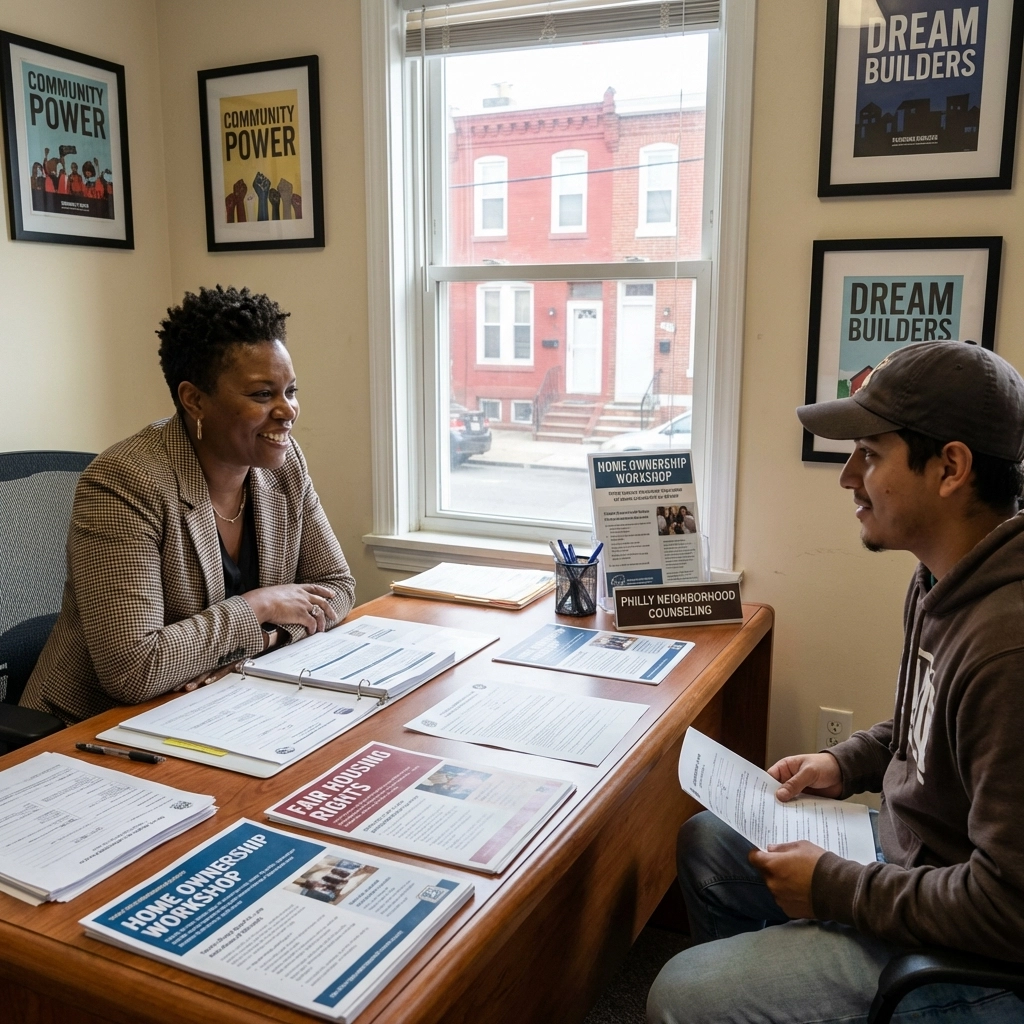
Step 4: Connect with a Housing Counselor
Sometimes you need a real person to help you sort through your options. That's where HUD-approved housing counselors come in. These counselors offer low- or no-cost services to help you:
Understand your rights as a tenant
Find rental assistance programs you qualify for
Create a budget and financial plan
Navigate the eviction process if it comes to that
You can find a housing counselor near you by calling 800-569-4287. Don't be afraid to ask for help: that's exactly what these counselors are there for.
Step 5: Get Help with Utilities
If you're behind on rent, there's a good chance your utility bills are piling up too. The good news is there are separate programs to help with that.
The Low Income Home Energy Assistance Program (LIHEAP) helps families pay for heating and cooling costs. You can contact your local LIHEAP office or call the National Energy Assistance Referral Hotline at (866) 674-6327 for year-round assistance.
Getting your utility bills under control can free up money to put toward rent: and it's one less thing to stress about.
Know Your Rights as a Tenant
If you're facing eviction, it's important to know your rights. In Philadelphia, landlords must follow specific legal procedures before they can evict you. You have the right to:
Receive proper written notice before eviction proceedings begin
Appear in court and present your side of the story
Request more time to pay or find alternative housing
If you receive an eviction notice, don't ignore it. Reach out to a housing counselor or legal aid organization right away. Many tenants have successfully avoided eviction simply by showing up to court and demonstrating that they're working to resolve the situation.
As the saying goes, "You miss 100% of the shots you don't take." Show up, speak up, and fight for your home.
Planning for the Future
Once you've navigated the immediate crisis, it's worth thinking about how to prevent this situation from happening again. Here are a few tips:
Build an emergency fund. Even saving a small amount each month can add up over time. Aim for at least one month's rent as a safety net.
Track your spending. Understanding where your money goes can help you identify areas to cut back.
Explore affordable housing options. If your current rent is stretching your budget too thin, it might be time to look for a more affordable place. Check out our tenant application process to see if you qualify for one of our affordable units.
Stay connected to resources. Keep a list of local assistance programs handy so you know where to turn if things get tight again.

You're Not Alone
Struggling to pay rent can feel isolating and overwhelming, but remember: you're not the only one going through this. Thousands of Philadelphia residents face the same challenge every month, and there are people and programs ready to help.
The key is to act quickly, communicate openly, and take advantage of the resources available to you. Whether it's calling 211, talking to your landlord, or applying for rental assistance, every step you take brings you closer to stability.
At Philadelphia Affordable Housing, we're here to support our community. If you have questions about affordable housing options or want to learn more about our properties, visit our info page or reach out to our team.
You've got this. And we've got your back.
Comments