
Understanding Your Lease: The Most Common Questions Philadelphia Landlords Get (And How to Avoid Trouble)
- Philadelphia Affordable Housing
- Nov 14, 2025
- 5 min read

If you're renting in Philadelphia, chances are your landlord has heard the same questions dozens of times before. While that might make you feel like you're bothering them, the truth is that asking the right questions upfront can save both of you major headaches down the road.
As someone who works in affordable housing here in Philly, I've seen how many tenant-landlord disputes could've been avoided with better communication from day one. Let's dive into the most common questions landlords get about leases and how understanding these basics can help you become the kind of tenant every landlord wants to keep around.
The Big Picture: What's Actually In Your Lease?
Before we get into specifics, here's the thing many renters don't realize: your lease isn't just a piece of paper you sign to get keys. It's a legal contract that protects both you and your landlord. The clearer you are on what it says, the smoother your rental experience will be.
Most Philadelphia landlords get frustrated when tenants don't understand basic lease terms, so let's make sure you're not one of them.

How Long Am I Really Committed?
The Question: "Can I break my lease early if I need to move?"
This is probably the #1 question landlords hear, usually right after someone's already signed. Here's what you need to know:
Most Philly apartment leases are 12-month agreements. Some landlords offer 6-month terms or month-to-month options, but these are less common and usually cost more. When you sign that year-long lease, you're legally committed to paying rent for the entire term.
However, life happens. If you need to break your lease early, don't just disappear, talk to your landlord. Many will work with you, especially if you:
Give plenty of notice (30-60 days is ideal)
Help find a replacement tenant
Offer to forfeit part of your security deposit
The key is communication. Landlords hate surprises, but they usually appreciate honesty.
Money Talk: What You're Really Paying For
The Question: "What exactly does my rent cover?"
This seems simple, but it's actually more complex than most tenants realize. Your lease should clearly spell out:
Base monthly rent amount
Due date (usually the 1st of the month)
Late fees (typically $25-50 after a grace period)
What utilities are included (heat, water, electric, internet, etc.)
Additional fees (trash, maintenance, parking)

Pro tip: If utilities aren't included, ask for average monthly costs for the unit. Nothing's worse than getting hit with a $200 electric bill you weren't expecting.
About rent increases: Philadelphia doesn't have rent control, but landlords can't just raise your rent whenever they feel like it. For year-long leases, they need to give you at least 60 days' notice before your lease expires. For month-to-month rentals, it's 30 days.
Security Deposits: Getting Your Money Back
The Question: "How do I make sure I get my full deposit back?"
This is where things get tricky. Yes, your security deposit is refundable, but landlords can deduct for:
Unpaid rent
Cleaning beyond normal wear and tear
Repairs for damage you caused
Unreturned keys
The secret to getting your deposit back? Document everything. Take photos when you move in AND when you move out. Note any existing damage on your lease paperwork. Keep your place reasonably clean. It's that simple.
Who Fixes What? Understanding Maintenance Responsibilities
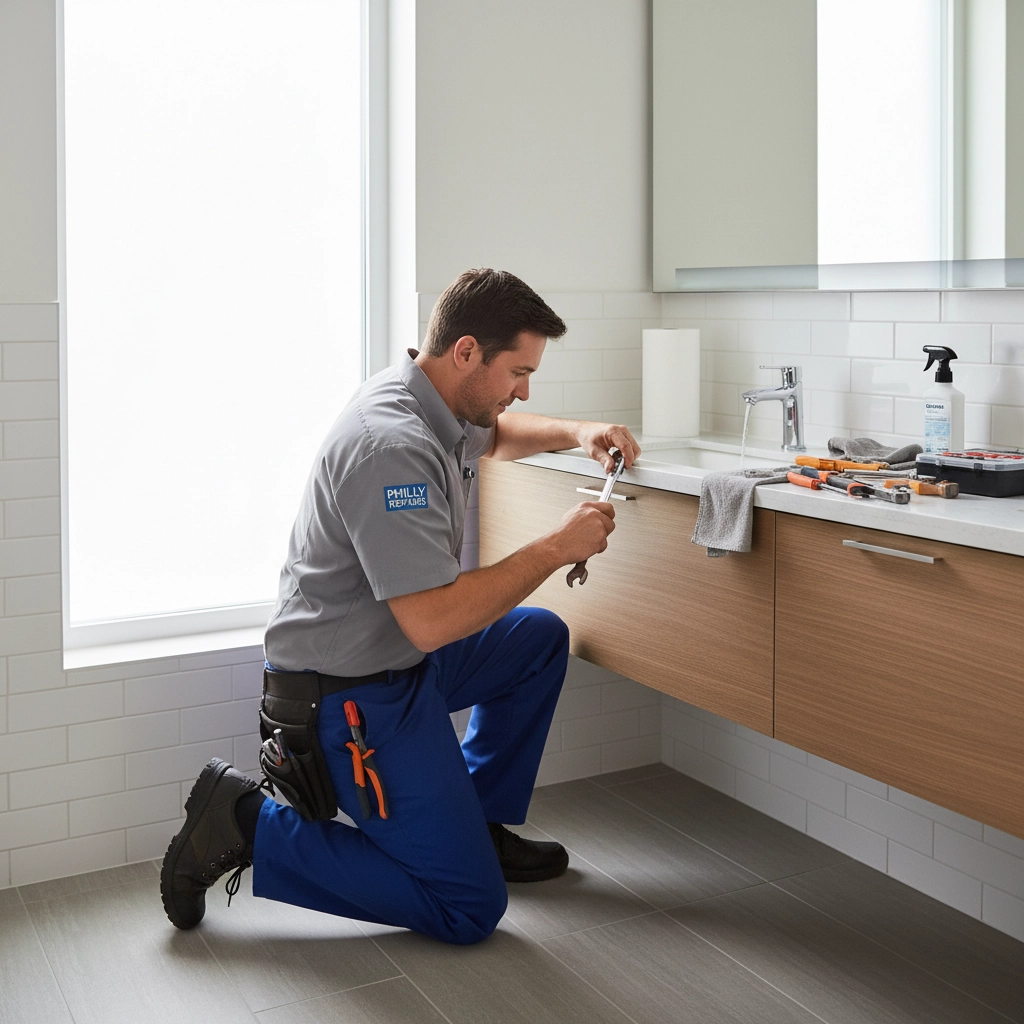
The Question: "My bathroom faucet is dripping. Is that my problem or my landlord's?"
Maintenance confusion causes more tenant-landlord disputes than almost anything else. Here's the general rule:
Landlord's responsibility:
Major repairs (plumbing, electrical, heating systems)
Appliances that came with the unit
Structural issues
Keeping the property habitable
Your responsibility:
Basic cleaning and upkeep
Minor issues you can handle (changing light bulbs, unclogging drains)
Damage you caused
That dripping faucet? Unless you broke it, that's typically your landlord's job. But check your lease: some specify that tenants handle minor plumbing issues under a certain cost threshold.

Your Rights (And Your Landlord's Rights Too)
The Question: "Can my landlord just show up whenever they want?"
Absolutely not. In Philadelphia, landlords must give you at least 24 hours' notice before entering your apartment, except in emergencies. This includes:
Routine inspections
Showing the unit to potential renters
Making repairs
Any non-emergency maintenance
Your lease should specify how they'll contact you (phone, text, written notice) and what constitutes an emergency.
But here's the flip side: you can't unreasonably refuse entry for legitimate purposes. If your landlord gives proper notice for necessary repairs, you need to accommodate them.
The Communication Game: How to Talk to Your Landlord
The Question: "How should I contact my landlord about issues?"
Most landlord-tenant problems stem from poor communication. Your lease should specify:
How to submit maintenance requests
Emergency contact information
Response time expectations
Preferred communication method (email, phone, online portal)
Golden rule: Put everything in writing. Even if you call about an issue, follow up with an email or text. This protects both of you and creates a paper trail.
Red Flags: When Something's Not Right
Not all landlords are created equal, and some lease terms are actually illegal. Here are things to watch out for:
Waiving your rights: Landlords can't make you sign away basic tenant protections
Discrimination: Refusing to rent based on race, gender, religion, family status, or other protected categories is illegal
No rental license: All Philadelphia landlords must have a rental license to legally collect rent
Unreasonable restrictions: Some lease terms might sound official but aren't legally enforceable
Avoiding the Most Common Problems
Based on what I see in affordable housing, here are the issues that trip up tenants most often:
Payment Problems:
Set up automatic payments if possible
Know exactly when rent is due (not just "the beginning of the month")
Understand late fees and grace periods
Keep records of all payments
Maintenance Misunderstandings:
Report issues promptly: small problems become big problems
Don't attempt major repairs yourself
Keep records of all maintenance requests
Follow proper procedures for emergency repairs
Move-Out Mistakes:
Give proper notice (usually 30 days)
Clean thoroughly but don't obsess over normal wear and tear
Do a final walkthrough with your landlord if possible
Return all keys and garage door openers
Making It Work for Everyone
Here's the thing: most landlords aren't trying to make your life difficult. They want reliable tenants who pay rent on time, take care of the property, and communicate clearly. When you understand your lease and follow the rules, everyone wins.
The best tenants I've worked with at Philadelphia Affordable Housing are the ones who:
Read their entire lease before signing
Ask questions upfront instead of assuming
Communicate promptly about issues
Treat the property with respect
Follow proper procedures for everything

Remember, your lease is there to protect you too. If you're ever unsure about something, don't hesitate to ask for clarification. A good landlord would rather answer questions than deal with problems later.
Understanding your lease isn't just about avoiding trouble: it's about creating a positive rental experience where you can actually enjoy your home. When tenants and landlords are on the same page from the start, everyone's life gets a lot easier.
For more information about tenant rights and resources in Philadelphia, check out our info page where we break down everything you need to know about renting in the city.
Comments