
Understanding Maintenance Requests: What the Tenants vs. Landlords Responsibility

So your kitchen faucet's been dripping for three days, and you're not sure if you should grab a wrench or call your landlord. We get it, figuring out who's responsible for what when it comes to maintenance can feel confusing, especially if you're new to renting.
Here at Philadelphia Affordable Housing, we believe that understanding your responsibilities (and your landlord's) makes for a smoother, stress-free rental experience. Let's break it all down so you know exactly what to do when something in your apartment needs attention.
Why Does It Matter Who's Responsible?
Knowing the difference between tenant and landlord responsibilities isn't just about avoiding awkward conversations, it actually protects you. When you understand your lease and what's expected of both parties, you can:
Avoid paying for repairs that aren't your responsibility
Keep your security deposit safe
Maintain a positive relationship with your landlord
Ensure your home stays safe and comfortable
This knowledge is especially important when you're filling out a tenant application. Landlords appreciate renters who understand their obligations and take good care of their units. It shows you're responsible and easy to work with!
What Landlords Are Responsible For
Let's start with the big stuff. In Philadelphia (and most places), landlords are legally required to keep rental properties safe and livable. This is sometimes called the "implied warranty of habitability." Here's what that typically includes:
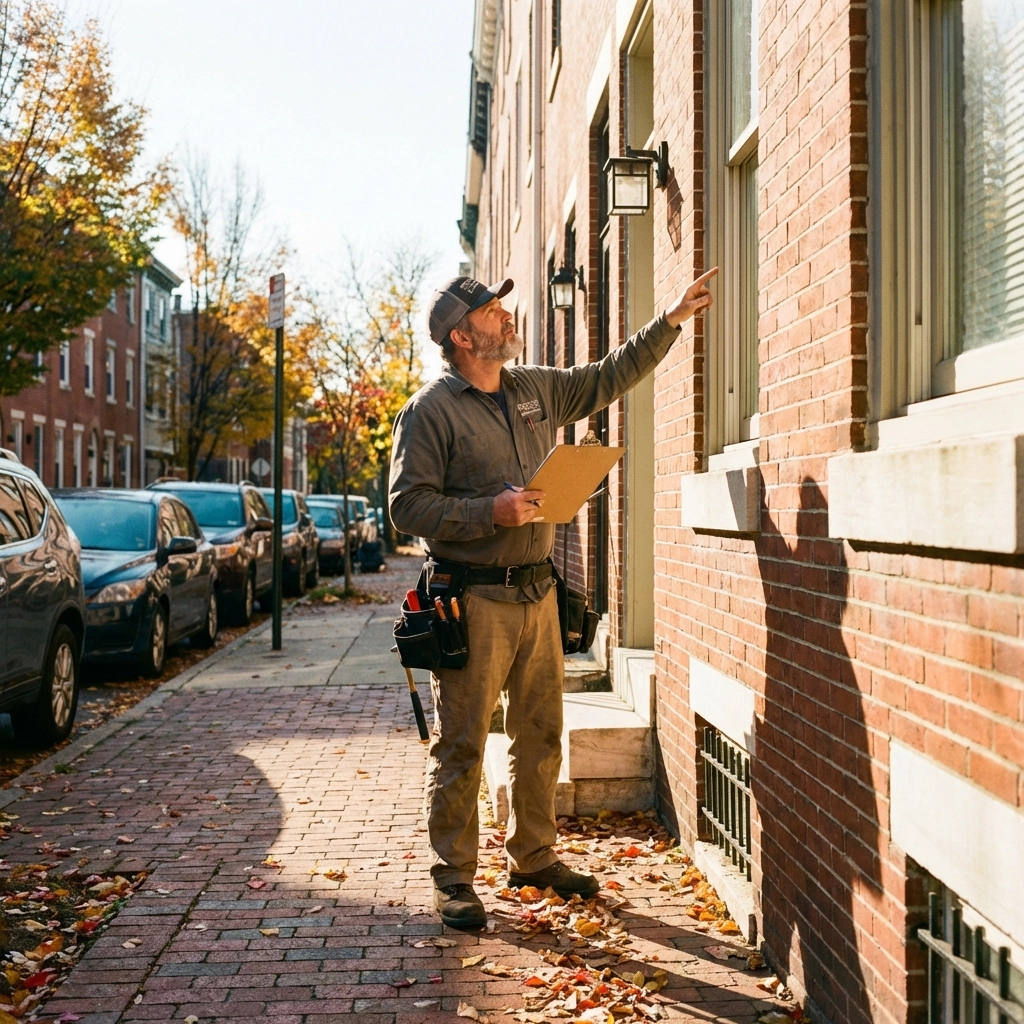
Structural and Exterior Maintenance
Your landlord must maintain the bones of the building:
Roof, walls, and foundation
Windows and doors
Exterior siding and paint
Gutters and drainage systems
Porches, decks, and railings
If there's a crack in your wall or your window won't close properly, that's on your landlord to fix.
Major Systems and Utilities
All the essential systems that keep your home running need to be maintained by your landlord:
Heating and hot water systems
Electrical wiring and outlets
Plumbing pipes and fixtures
Gas appliances, pipes, and ventilation
Air conditioning (if provided in your lease)
Appliances Provided by the Landlord
If your apartment came with a refrigerator, stove, dishwasher, or washer/dryer, your landlord is generally responsible for repairing or replacing them when they break down from normal use.
Common Areas
Living in a multi-unit building? Your landlord must maintain shared spaces like:
Hallways and staircases
Lobbies and entranceways
Laundry rooms
Parking lots and garages
Outdoor common areas
Safety Inspections and Compliance
Landlords are required to conduct regular safety inspections. This includes checking smoke detectors, carbon monoxide detectors, and ensuring the property meets local housing codes. In many areas, electrical inspections must happen at least every five years.
"A landlord's duty to repair and maintain the property exists regardless of whether the tenant complains or requests repairs." , Nolo Legal Encyclopedia
What Tenants Are Responsible For
Now let's talk about your side of the deal. While you're not expected to make major repairs, you do have a responsibility to take care of your rental home and handle minor maintenance tasks.
Day-to-Day Upkeep
Think of these as the little things that keep your place running smoothly:
Changing light bulbs
Replacing smoke detector and carbon monoxide detector batteries
Keeping the unit clean (inside and out)
Properly disposing of trash and recycling
Cleaning windows

Minor Maintenance Tasks
Some small fixes fall on you as the tenant:
Unclogging sinks and drains (especially when caused by hair or debris)
Clearing hair from shower and bath drains
Replacing air filters in HVAC systems (check your lease)
Keeping refrigerator coils clean
Defrosting freezers if needed
Preventing Damage
You're expected to use your rental in what's called a "tenant-like manner", basically, treat it like you'd want someone to treat your own home. This includes:
Preventing mold and mildew by using exhaust fans and opening windows
Wiping up spills and moisture to prevent water damage
Not overloading electrical outlets
Using plungers carefully and not flushing inappropriate items
Outdoor Spaces
If your rental includes a yard, patio, or balcony, you're typically responsible for:
Mowing the lawn
Raking leaves
Keeping outdoor areas tidy
Basic garden maintenance (unless otherwise stated in your lease)
Damage You or Your Guests Cause
Here's the important one: if you, a family member, or a guest damages something in your apartment, you're responsible for the repair costs. Accidentally put a hole in the wall? Broke a window playing catch? That's on you.
However, you're not responsible for normal wear and tear. Carpet that's slightly worn after years of use? Paint that's faded? Those are expected and fall under the landlord's responsibility.
The Gray Areas: When It's Not So Clear
Sometimes maintenance issues don't fit neatly into one category. Here are some common gray areas:
Pests and Infestations
This often depends on the cause. If pests are due to the building's structure (cracks, gaps), it's typically the landlord's issue. If they're attracted by uncleaned food or poor sanitation, the tenant might share responsibility.
Mold and Mildew
Landlords must address mold caused by structural issues like leaky pipes or poor ventilation systems. But if mold develops because you never open windows or run exhaust fans, that could be on you.
Clogged Drains
A clog caused by normal use or aging pipes? Landlord's problem. A clog caused by flushing things that shouldn't be flushed? That's yours to handle.
"Tenants should promptly report any leaks, damaged sealant, damp patches, or mould that returns after cleaning." : UK Government Housing Guidelines

How to Submit a Maintenance Request the Right Way
Now that you know who's responsible for what, let's talk about the best way to communicate when something needs fixing.
1. Document the Problem
Before you reach out, take photos or videos of the issue. This creates a record and helps your landlord understand what's happening.
2. Submit Your Request in Writing
Even if you call or text your landlord, follow up with an email or written request. This protects both of you and creates a paper trail.
3. Be Specific
Instead of saying "something's wrong with the sink," try "the kitchen faucet has been dripping continuously for three days and won't turn off completely." The more detail, the better.
4. Give Reasonable Time for Non-Emergencies
Unless it's an emergency (no heat, flooding, gas leak), give your landlord a reasonable amount of time to respond: usually 24-48 hours for acknowledgment and a few days to schedule repairs.
5. Allow Access
Landlords typically must give you at least 24 hours' notice before entering for repairs (except in emergencies). Be flexible and work with them to schedule a convenient time.
What to Do If Repairs Aren't Made
If your landlord isn't responding to legitimate repair requests, you have options:
Send a formal written request citing the specific issue
Contact Philadelphia's Department of Licenses and Inspections
Reach out to local tenant advocacy organizations
Review your lease for dispute resolution procedures
At Philadelphia Affordable Housing, we work hard to connect tenants with responsible landlords who take maintenance seriously. If you're looking for a new place and want support through the process, check out our resources at https://www.philadelphiaaffordablehousing.com/info.
Final Thoughts
Understanding maintenance responsibilities doesn't have to be complicated. The basic rule? Landlords handle the big stuff: structure, systems, and safety. Tenants handle the small stuff: daily upkeep and minor maintenance.
When both parties know their roles and communicate clearly, everyone wins. Your home stays in great shape, your landlord appreciates your care, and you get to enjoy a comfortable, well-maintained apartment.
Got questions about your specific situation? We're always here to help you navigate the rental process in Philadelphia. Whether you're just starting your tenant application or you've been renting for years, understanding these basics makes all the difference.
Comments