
Top Ways Philly Renters Can Help Speed Up Repairs and Keep Maintenance Smooth
- Philadelphia Affordable Housing
- Nov 18, 2025
- 5 min read

Let's be real, nobody wants to deal with broken appliances, leaky pipes, or heating issues, especially during a brutal Philly winter. But here's the thing: as a renter, you've got way more power than you might think when it comes to getting repairs done quickly and keeping your place running smoothly.
The secret isn't just knowing your rights (though that's important too). It's about working with your landlord to create a maintenance system that actually works. When you handle repairs the right way, everyone wins, you get faster fixes, and your landlord deals with fewer headaches.
Document Everything Like Your Security Deposit Depends on It
Here's maintenance rule number one: if it's not in writing, it didn't happen. I can't stress this enough, always report repair problems to your landlord in writing, not just over the phone.
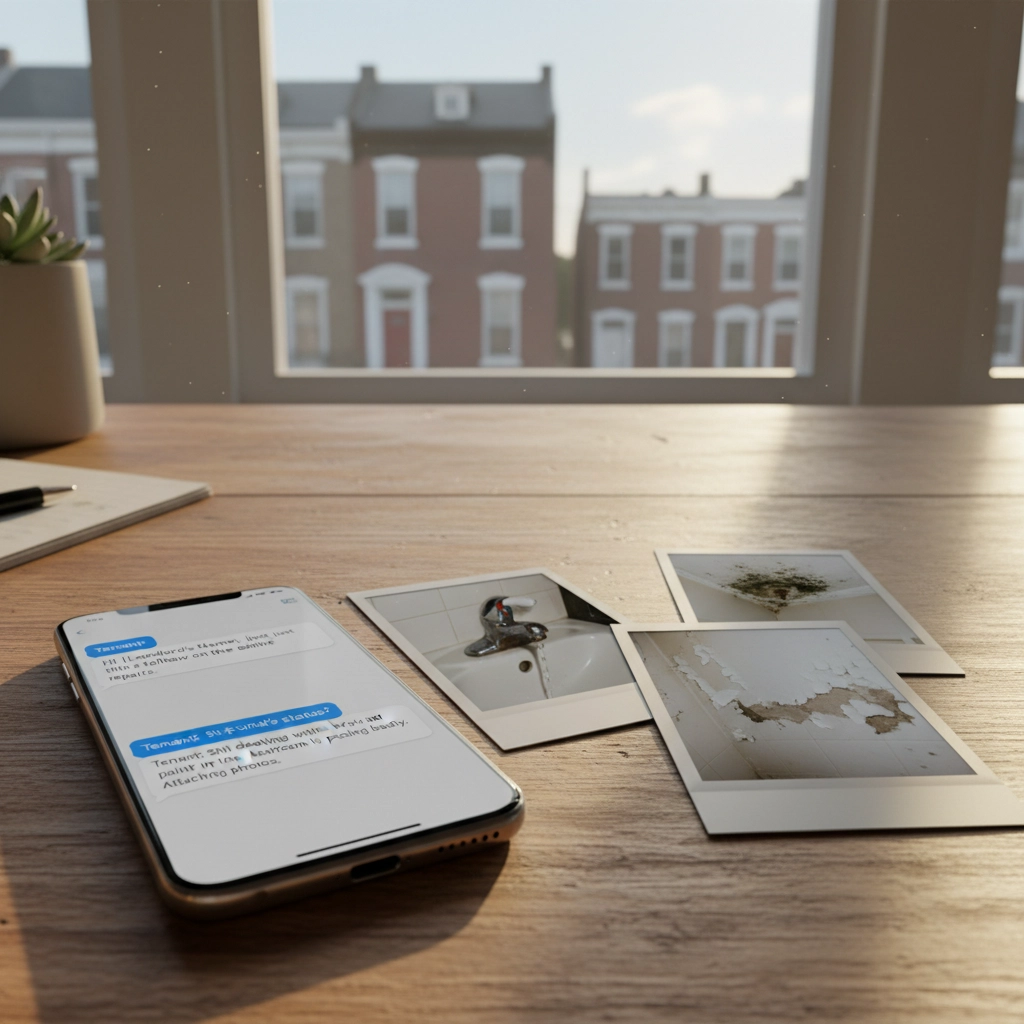
Why? Because memories fade, people get busy, and that "urgent" repair you mentioned three weeks ago might slip through the cracks. When you document everything, you're creating a paper trail that protects both you and your landlord.
Here's how to do it right:
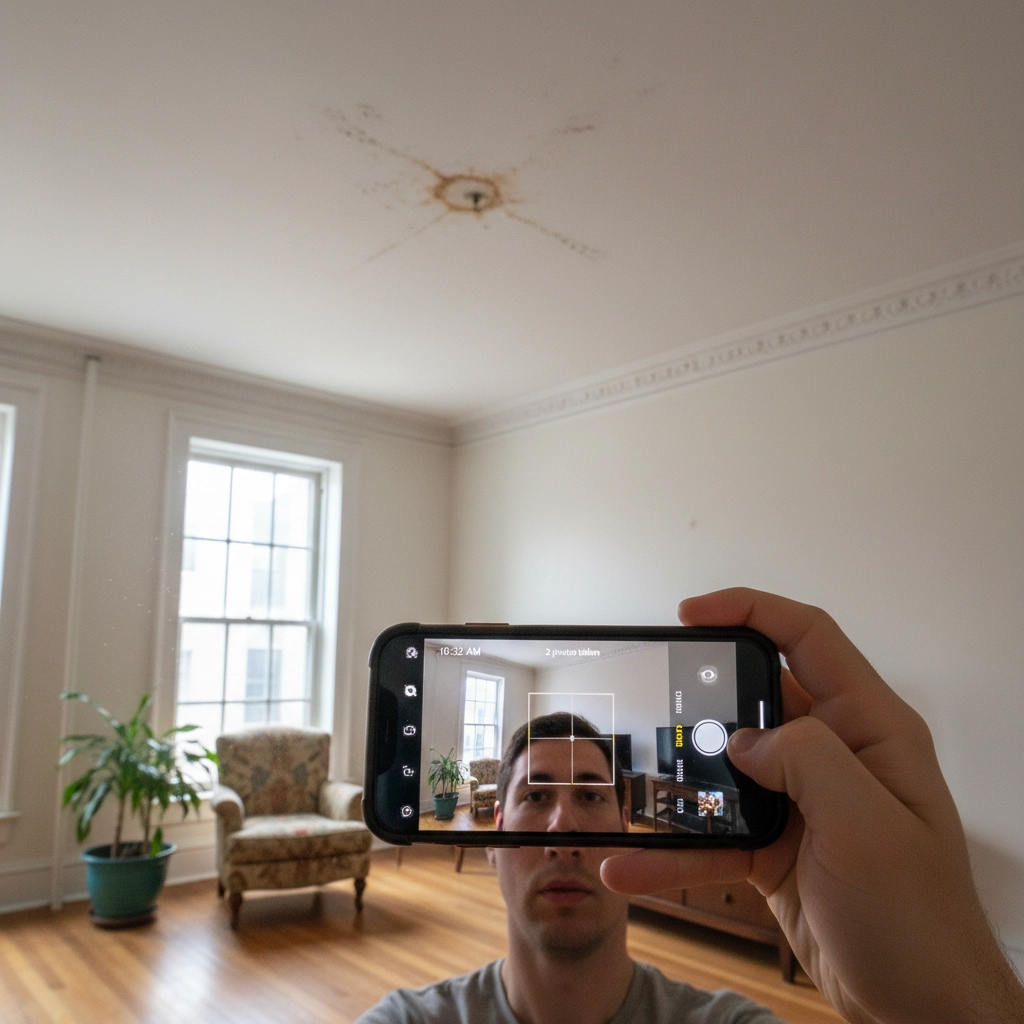
• Take clear photos or videos of the problem before you report it • Send an email or text describing exactly what's wrong and when you first noticed it • If you do call your landlord, follow up immediately with a written summary of what you discussed • Keep copies of all communication for your records
Pro tip: Include details about how the problem affects your daily life. "The bathroom faucet won't turn off completely" is okay, but "The bathroom faucet won't shut off and is wasting water constantly, I can hear it running 24/7" gives your landlord a better sense of urgency.
Master the Art of Clear Communication
Nobody's a mind reader, including your landlord. The clearer you are about what's wrong, the faster they can get the right person to fix it. This isn't just about being polite (though that helps), it's about giving your landlord the information they need to solve your problem efficiently.
When reporting issues, include:
• What's broken: Be specific. "The heat doesn't work" vs. "The radiator in the bedroom makes loud banging noises but doesn't get warm" • When it started: Timeline helps determine if it's an emergency or gradual wear • What you've tried: Did you flip any circuit breakers? Check other units? This saves everyone time • How it affects you: Safety issues and livability problems get priority

Remember, your landlord might manage multiple properties. The more details you provide upfront, the less back-and-forth you'll need, and the faster you'll get results.
Learn Basic Emergency Actions
You don't need to become a handyman, but knowing a few basic emergency moves can prevent small problems from becoming major disasters, and major headaches for your landlord.
Know Your Water Shut-Off Valve
This is huge. Every renter should know exactly where their water shut-off valve is located and how to use it. When a pipe bursts or your toilet overflows, those first few minutes matter. Being able to stop the water immediately can save thousands of dollars in damage and get your regular repairs back on track faster.
Change Your HVAC Filters
Most landlords are happy to provide filters if you're willing to change them regularly. Clean filters prevent system breakdowns, improve air quality, and keep your heating and cooling running efficiently. It's a five-minute job that can prevent emergency service calls.
Reset Circuit Breakers
Before calling about electrical problems, check your circuit breaker box. Sometimes outlets stop working simply because a breaker tripped. Knowing how to safely reset a breaker can save everyone time and money.
Report Problems Early and Often
Here's something that might surprise you: most landlords actually want to hear from you when something's wrong. Why? Because small problems caught early are way cheaper and easier to fix than major ones that develop over time.
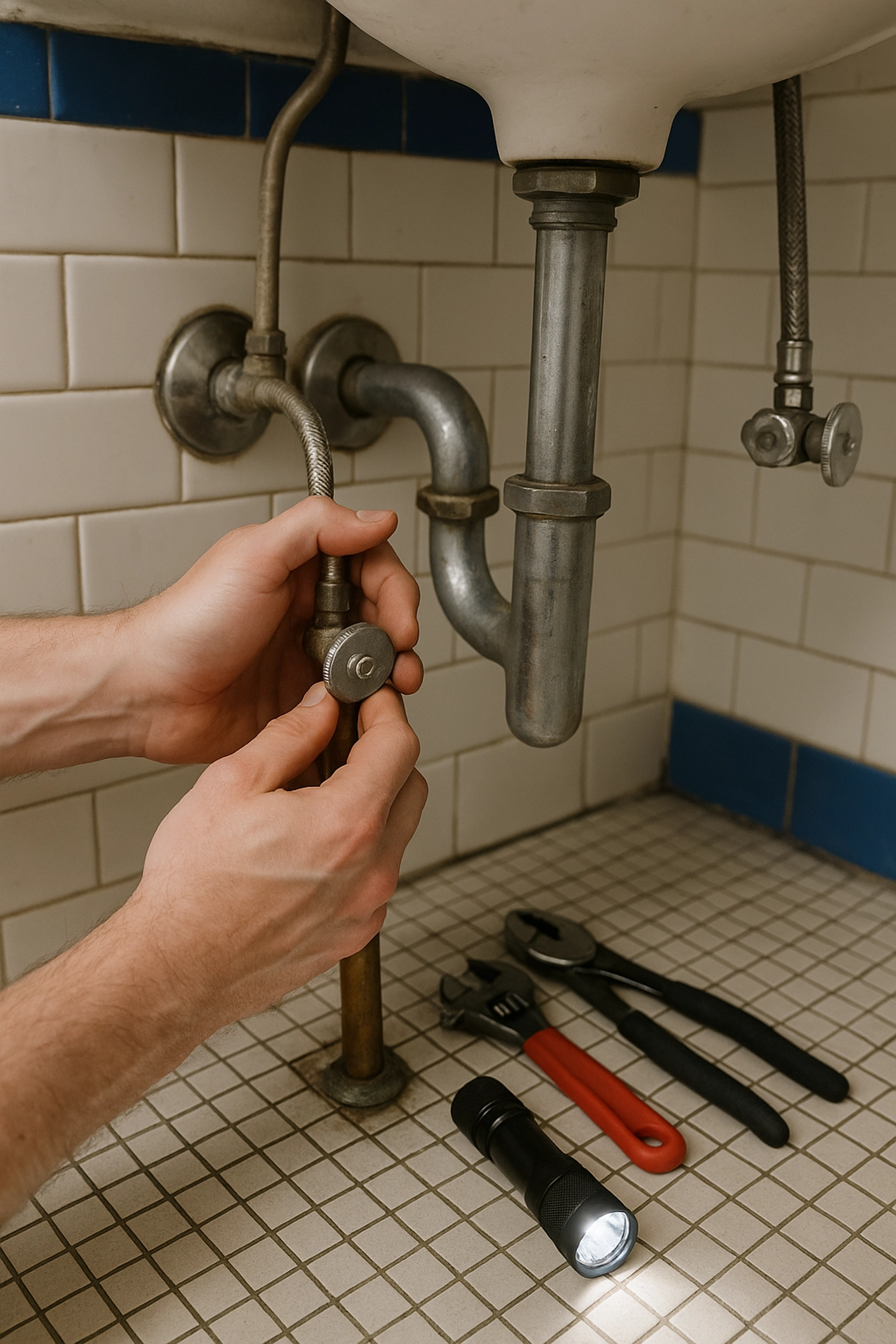
Don't wait until that small leak becomes a flood, or that funny noise becomes a broken appliance. The phrase "I noticed this a few months ago but thought it would fix itself" makes every property manager cringe.
Some issues to report immediately:
• Any water leaks, no matter how small • Electrical problems (flickering lights, warm outlets, blown fuses) • Security issues (broken locks, damaged windows) • HVAC problems, especially before extreme weather • Pest sightings • Strange noises from appliances
Use Philadelphia's Resources When Needed
Sometimes, despite your best efforts, repairs still drag on. That's when it's time to know your Philadelphia-specific rights and resources.
If your landlord isn't responding to repair requests, you can request a Licenses and Inspections (L+I) inspection by calling 311. This isn't something you should do lightly, it's more of a last resort, but it's a powerful tool that can get stalled repairs moving quickly.
The inspection process puts official pressure on landlords to address code violations and safety issues. Just remember, this should be used when communication has broken down, not as your first step.
Build a Positive Working Relationship
Look, here's the truth: landlords are people too, and they respond better to tenants who treat them with respect and work with them rather than against them. This doesn't mean you should accept substandard living conditions, but it does mean that a little courtesy goes a long way.
Simple things that make a difference:
• Say "please" and "thank you" in your communications • Give reasonable notice when possible for non-emergency repairs • Be flexible with scheduling when you can • Acknowledge when repairs are completed well • Pay your rent on time (this builds goodwill for when you really need something fixed fast)
Stay Organized and Follow Up
Keep a simple record of all maintenance requests: when you reported them, what the landlord said they'd do, and when repairs were completed. This isn't just for potential disputes; it's also helpful for tracking patterns and showing your landlord that you're a responsible tenant who takes care of their property.
If a repair isn't completed within a reasonable timeframe, follow up politely but persistently. Sometimes things genuinely slip through the cracks, and a gentle reminder is all that's needed.
The Bottom Line
Being a great renter isn't just about paying rent on time: it's about being a partner in maintaining your home. When you document issues clearly, communicate effectively, learn basic emergency responses, and build positive relationships, you're not just helping your landlord: you're ensuring that you get the responsive, professional service you deserve.
Remember, the goal isn't to become your landlord's best friend or to handle major repairs yourself. It's to create a system where problems get fixed quickly, communication flows smoothly, and everyone's satisfied with how things work.
In Philadelphia's rental market, tenants who master these skills often find themselves with landlords who go the extra mile to keep them happy. And honestly, that's a win-win situation we can all get behind.
Comments