
Tenant Rules That Actually Help You Keep Your Place (And Your Landlord's Trust)
- Philadelphia Affordable Housing
- Nov 17, 2025
- 5 min read

Look, nobody wants to deal with landlord drama or worry about getting their lease renewed. But here's the thing – most tenant-landlord problems come down to simple misunderstandings about expectations. Whether you're renting in South Philly, Northern Liberties, or anywhere in between, following some basic rules can make your rental experience way smoother and keep your landlord happy to have you as a tenant.
These aren't just arbitrary rules someone made up to make your life difficult. They're practical guidelines that protect both you and your rental property, and honestly, they'll save you money and stress in the long run.
Pay Your Rent On Time (Seriously, This Changes Everything)
This one seems obvious, but you'd be surprised how many tenant issues start here. Your rent isn't just a monthly bill – it's the foundation of your entire relationship with your landlord. When you consistently pay on time, you're showing you're reliable and responsible.
Here's what paying on time actually gets you:
Your landlord trusts you and is more likely to work with you if problems come up
You avoid late fees (which can add up fast in Philly)
You build a positive rental history for future apartments
You're less likely to face eviction proceedings
If you're struggling to make rent, don't just disappear or hope it'll work itself out. Most Philadelphia landlords would rather work with you on a payment plan than start the eviction process. Communication goes a long way here.

Communicate Like an Adult (Your Landlord Isn't a Mind Reader)
Good communication might be the most underrated tenant skill. Your landlord can't fix what they don't know about, and they can't help you if you don't ask. Here's how to nail this:
Report maintenance issues promptly: Don't wait until that small leak becomes water damage or that weird noise turns into a broken furnace. Quick reporting actually protects your landlord's property value and saves everyone money.
Use the right communication method: Some landlords prefer texts, others want emails, and some still like phone calls. Figure out what works and stick with it.
Be specific about problems: Instead of "something's wrong with the bathroom," try "the toilet is running constantly and won't stop when I jiggle the handle." This helps your landlord send the right repair person with the right tools.
Follow up appropriately: If it's been a reasonable amount of time and nothing's happened, it's okay to follow up. Just don't blow up their phone over non-urgent stuff.
Take Care of the Place (It's Your Home Too)
This is where you can really set yourself apart as a great tenant. Treating the rental like it's your own property shows respect and responsibility that landlords absolutely notice.
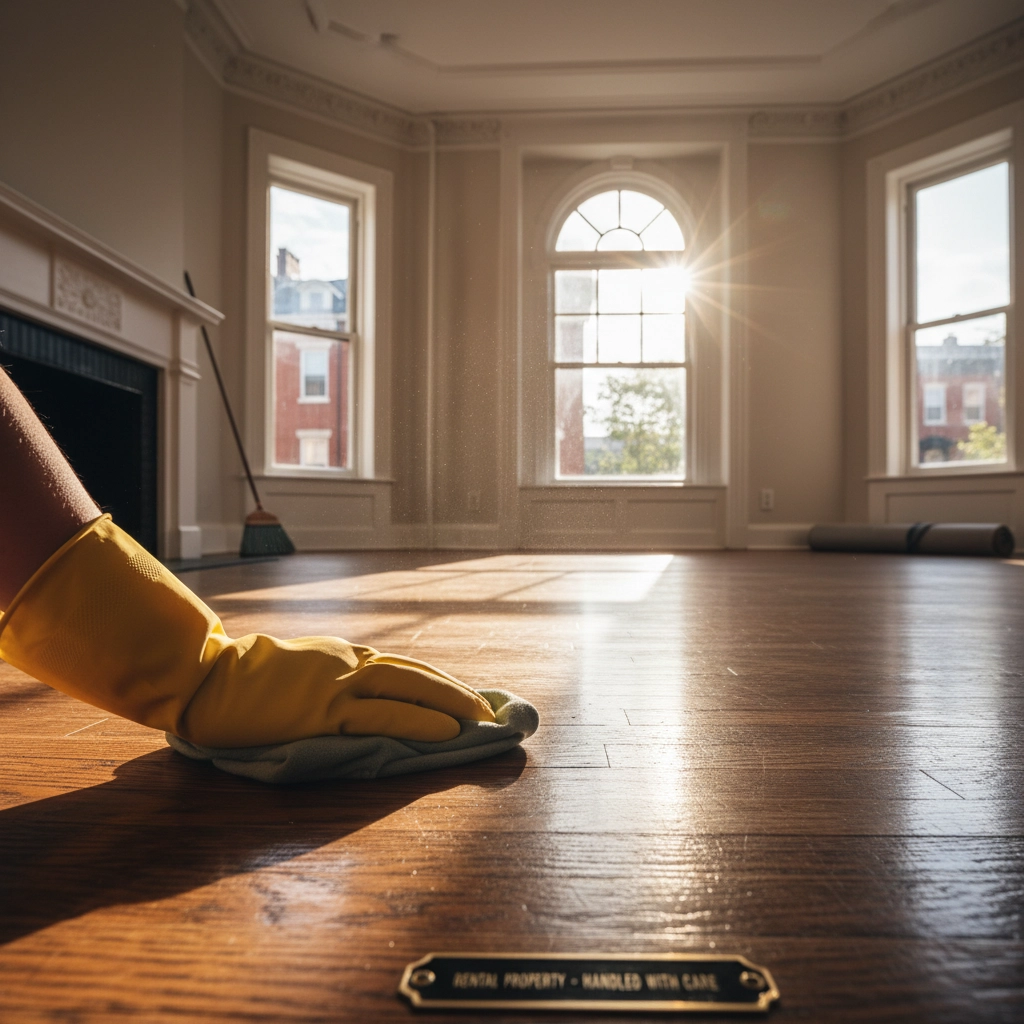
Keep it clean: Regular cleaning prevents pest problems, odors, and damage. Nobody expects perfection, but basic cleanliness goes a long way.
Prevent damage before it happens: Use coasters, don't overload electrical outlets, and be careful with furniture placement. Small preventative measures save your security deposit.
Handle minor maintenance: You don't need to call your landlord every time you need to change a lightbulb or unclog a drain. Learning basic maintenance shows initiative and saves everyone time.
Report bigger problems immediately: Water leaks, electrical issues, or heating problems can cause serious damage if ignored. Quick reporting protects both you and the property.
Be a Good Neighbor (Community Matters in Philly)
Whether you're in a rowhome, apartment building, or duplex, being considerate of neighbors makes everyone's life better. Plus, landlords hear about problem tenants from other residents, so this really matters for your reputation.
Respect quiet hours: Most leases specify quiet hours (usually 10 PM to 8 AM), but even if yours doesn't, being mindful of noise after dark is just good sense. This is especially important in Philly's close-quarters neighborhoods.
Handle guests responsibly: Having friends over is normal, but extended stays or frequent parties can violate lease terms. Know your guest policy and stick to it.
Keep shared spaces clean: If you have access to hallways, laundry rooms, or outdoor spaces, clean up after yourself. Your neighbors (and landlord) will notice.
Park considerately: If you have assigned parking or share space, don't take more than your share or block others in. Parking's already tough enough in Philly without inconsiderate neighbors making it worse.
Follow Your Lease (Yes, All of It)
Your lease isn't just a formality – it's a legal document that protects both you and your landlord. Reading it thoroughly and following the rules isn't just required, it's smart.
Know what's allowed and what isn't: Can you paint? Hang pictures? Have pets? Install a security system? The lease should specify all of this. When in doubt, ask before you act.
Understand your responsibilities: Some leases require tenants to handle certain utilities, maintenance tasks, or yard work. Know what you signed up for.
Respect occupancy limits: If your lease is for two people, don't have your cousin move in without permission. Unauthorized occupants can lead to lease violations or eviction.
Get permission for changes: Want to swap out a light fixture or install a window AC unit? Check with your landlord first. Most are reasonable about improvements, but they want to know what's happening to their property.
Handle Maintenance Requests the Right Way
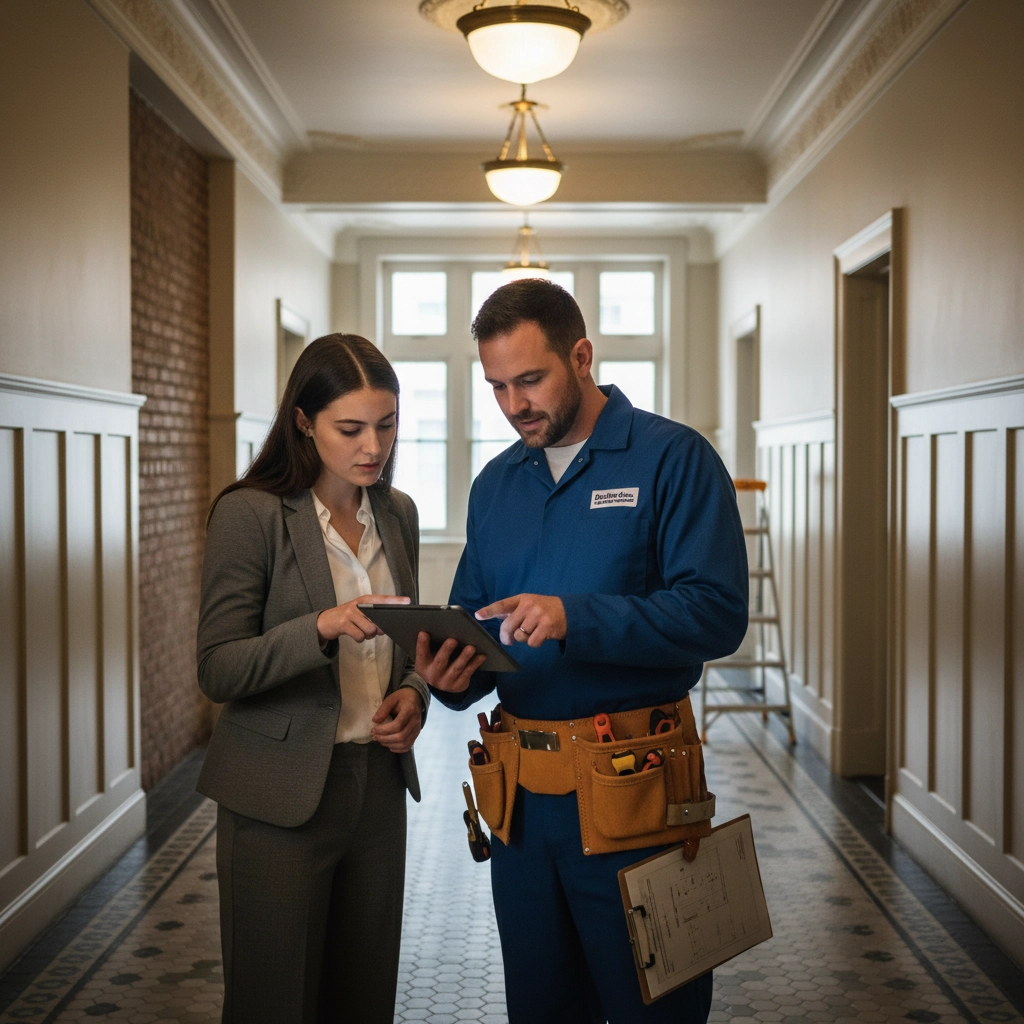
Here's where you can really show you're a tenant worth keeping. How you handle maintenance requests reveals a lot about how you'll treat the property long-term.
Know what's urgent vs. non-urgent: A broken heater in January is urgent. A squeaky door is not. Understanding the difference helps your landlord prioritize and shows you get it.
Be available for repairs: When repair people come out, be there if possible. It speeds up the process and ensures you understand any care instructions for fixes.
Don't attempt major repairs yourself: Even if you're handy, major electrical, plumbing, or structural work should be left to professionals. DIY disasters can cost way more than the original problem.
Document issues with photos: When you report a problem, include photos if possible. It helps your landlord understand the severity and send the right person to fix it.
Build Trust Through Consistency
Trust isn't built overnight, but consistent behavior over time creates the kind of landlord-tenant relationship where both parties look out for each other.
Reliable tenants get:
First consideration for lease renewals
Reasonable responses to special requests
Flexible handling of minor issues
Positive references for future rentals
Often, smaller rent increases
"The best tenants I have are the ones who treat my property like their own home," says Maria Santos, a landlord in Philadelphia's Fishtown neighborhood. "When I know I can trust someone, I'm willing to work with them on almost anything."
The Bottom Line: Respect Goes Both Ways
Following these rules isn't about being submissive or letting your landlord walk all over you. It's about creating a professional relationship based on mutual respect. When you're a responsible, communicative tenant who takes care of the property, you earn the right to expect professional, responsive service from your landlord.
Remember, your landlord wants you to succeed as a tenant. Empty units cost them money, and finding good tenants takes time and effort. When you prove you're worth keeping, everyone wins.
These rules might seem like common sense, but you'd be amazed how many rental problems could be avoided if more tenants followed them consistently. In Philadelphia's competitive rental market, being the kind of tenant landlords want to keep can make all the difference in finding and keeping great housing at affordable rates.
For more information about tenant rights and affordable housing options in Philadelphia, check out our resources at Philadelphia Affordable Housing.
Comments