
Struggling For Safe, Affordable Housing? 50+ Red Flags Every Philadelphia Renter Should Know

Looking for affordable housing in Philadelphia can feel like navigating a minefield. With rising rents and a competitive market, it's tempting to jump on the first decent place you find. But hold up – taking your time to spot red flags could save you from months of headaches, health issues, or even financial disaster.
We've compiled over 50 warning signs every Philly renter should watch for. From sketchy electrical work to landlords who seem too good to be true, here's your comprehensive guide to avoiding rental nightmares in the City of Brotherly Love.
Physical Property Red Flags
Electrical Issues That Could Kill Your Budget (Or You)
Philadelphia's got tons of older homes, and many still have outdated electrical systems. Here's what to watch for:
Knob-and-tube wiring – This stuff is ancient and dangerous
Extension cords used as permanent wiring – Major fire hazard
Flickering lights or frequently blown fuses – Sign of overloaded circuits
Outlets that don't work or spark when you plug things in
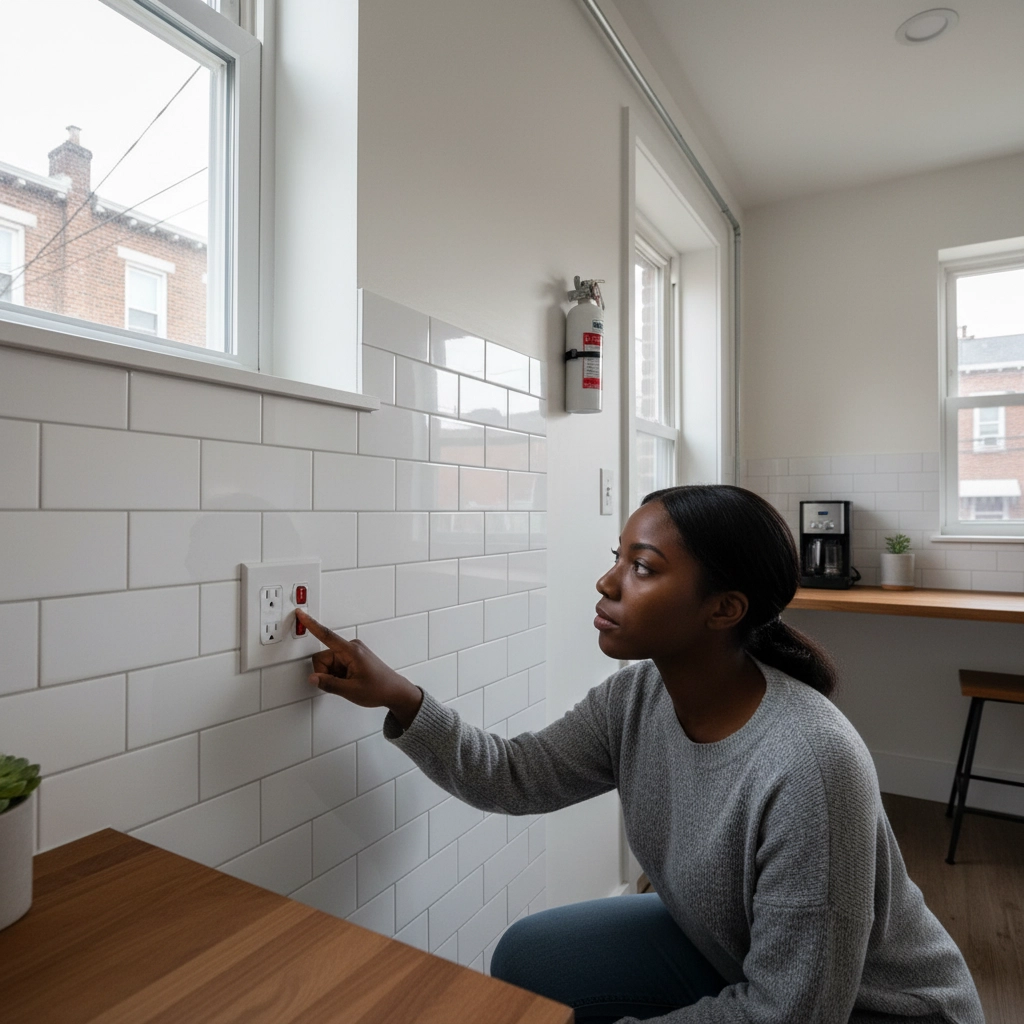
No GFCI outlets in bathrooms or kitchen – Required by modern code
Exposed wires anywhere in the property
If you see any of these, run. Electrical fires are no joke, and you don't want to be the one footing the bill when something goes wrong.
Water Damage and Moisture Problems
Philly's humid summers and those infamous flat roofs create perfect conditions for water issues. Keep an eye out for:
Water stains on ceilings or walls – Usually brownish or yellowish marks
Peeling paint or wallpaper – Often indicates moisture problems
Musty odors – Especially in basements or bathrooms
Visible mold growth – Black, green, or white fuzzy spots
Soft or spongy floors – Could mean water damage underneath
Rust stains around pipes or fixtures
Windows that fog up excessively – Poor ventilation issues
Mold isn't just gross – it can seriously mess with your health. Don't take chances with properties that have obvious moisture problems.
Plumbing Nightmares
Old plumbing can turn your dream apartment into a disaster zone. Red flags include:
Low water pressure – Test all faucets and showers
Discolored water – Brown, yellow, or rusty water is bad news
Slow drains – Could indicate serious blockages
Toilet that rocks when you sit on it – Wax seal problems
Pipes that make loud noises – Banging or grinding sounds
Galvanized steel pipes – These corrode and need replacement
Leaks under sinks or around toilets
Structural and Safety Issues
Don't ignore the bones of the building:
Cracks in walls or ceilings – Especially large or growing ones
Sloping or uneven floors – Could indicate foundation problems
Doors or windows that don't close properly – Frame settling issues
Missing or broken smoke detectors – Legally required in rentals
No carbon monoxide detectors – Also legally required
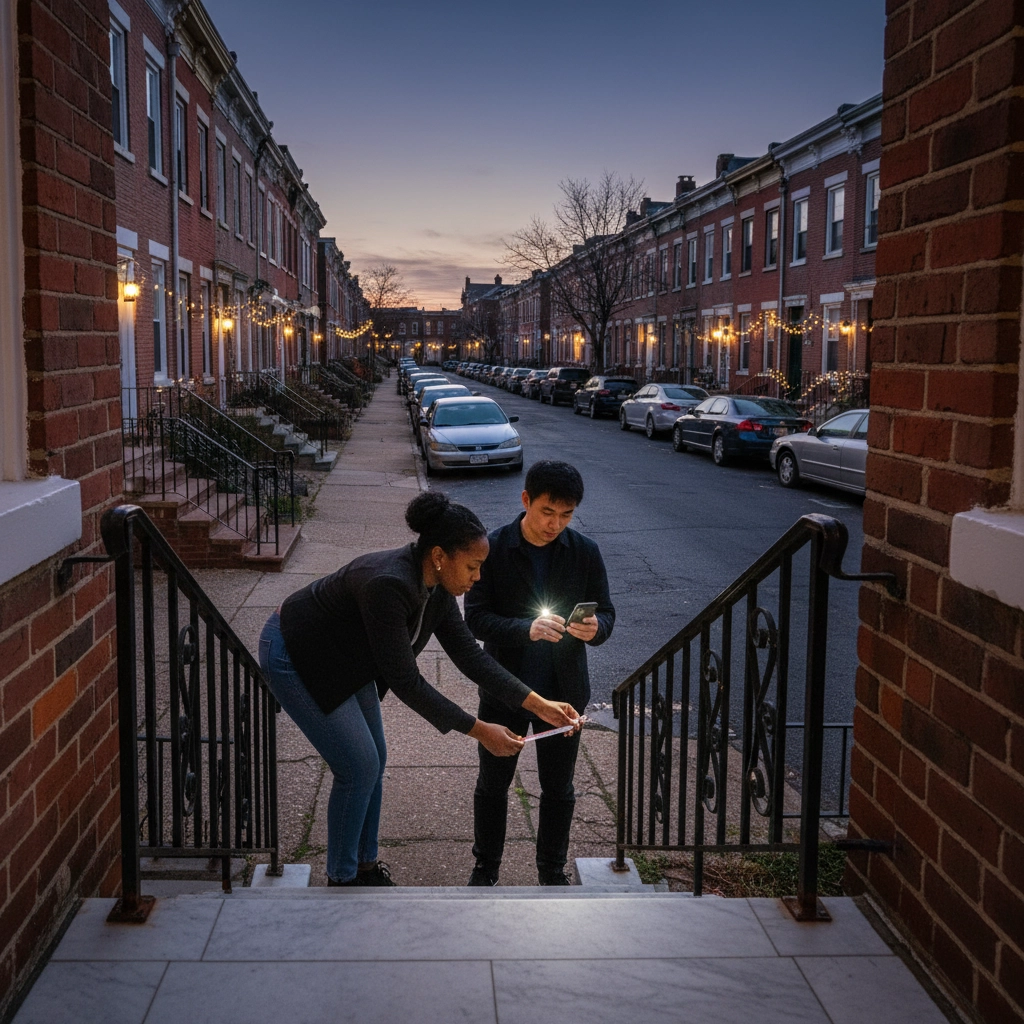
Broken or missing handrails on stairs
Loose or damaged steps
Habitability and Maintenance Red Flags
Heat and Utilities
Pennsylvania law requires landlords to provide basic utilities. Watch for:
No heat during cold weather – Emergency repairs must be done within 24-48 hours
Heating system that doesn't work properly
No hot water or inconsistent hot water
Electrical outlets that don't work
Poor insulation – You'll pay through the nose for heating/cooling
Pest Problems
Nobody wants uninvited roommates:
Visible roaches, mice, or rat droppings
Ant trails or swarms of insects
Chewed food packages or furniture
Strong pest control chemical odors – Might be covering up infestations
Multiple pest control bait stations – Sign of ongoing problems
Quick-Fix Renovations
Landlords sometimes do cosmetic updates to hide bigger problems:
Fresh paint over everything – Could be hiding mold, cracks, or stains
New flooring that doesn't match the rest of the property
Patched walls that look different from surrounding areas
Renovations that look rushed or poorly done
No permits for obvious renovation work
Landlord and Management Red Flags
Communication Issues
How your potential landlord communicates tells you everything:
Won't provide references from current tenants
Pressures you to sign immediately without time to review
Avoids direct questions about property problems
Won't put repair promises in writing
Seems unfamiliar with Philadelphia tenant rights
Makes discriminatory comments about race, family status, etc.
Financial Red Flags
Protect your wallet:
Security deposits that seem excessive – Pennsylvania has limits
Demands cash-only payments with no receipts
Won't provide a written lease
Tries to charge you for normal wear and tear
Hidden fees that aren't disclosed upfront
Requires you to pay for repairs that are legally their responsibility

Legal and Rights Red Flags
Retaliation Risks
This is a big one in Philly. In 2018, landlords filed over 2,000 eviction cases right after tenants complained about habitability issues. Watch for landlords who:
Get defensive when you ask about tenant rights
Have a history of frequent tenant turnover
Threaten eviction when you ask about repairs
Won't acknowledge the implied warranty of habitability
Lease Agreement Issues
Your lease should protect you, not trap you:
Vague language about maintenance responsibilities
Clauses that waive your legal rights
Terms heavily favoring the landlord
Missing required disclosures about lead paint, etc.
Automatic rent increases without limits
Excessive late fees or penalties
Neighborhood and Location Red Flags
Safety Concerns
Multiple properties with broken windows or doors
Poor lighting on streets or building entrances
No secure entry to building
Isolated location with no foot traffic
Parking issues that could leave you stranded
Environmental Issues
Properties near industrial areas without knowing about air quality
Obvious contamination signs – weird odors, discolored soil
Proximity to known environmental hazards
Financial Red Flags for Your Budget
Affordability Warning Signs
Nearly one-third of Philadelphia renters are severely cost-burdened, paying more than 50% of their income on housing. Don't join them:
Rent exceeds 30% of your gross monthly income
Total housing costs (including utilities) exceed 40% of income
You're dipping into savings to afford the deposit
The landlord won't accept your income documentation
What to Do When You Spot Red Flags
Document Everything
Take photos of any problems you see
Keep records of all communications with landlords
Get repair promises in writing before signing
Get Help
Philadelphia offers resources for tenants:
Philly Tenant Hotline: (267) 443-2500 – Free legal assistance
Department of Licenses and Inspections – File habitability complaints
Legal aid organizations – Many offer free or low-cost help
Know When to Walk Away
Sometimes the best decision is saying no. If you spot multiple red flags, especially safety issues or unresponsive landlords, keep looking. Your health and financial stability aren't worth risking for any rental.
Moving Forward Safely
Finding safe, affordable housing in Philadelphia takes patience, but it's worth doing your homework. Remember – landlords need tenants just as much as you need housing. Don't let desperation push you into a bad situation.
Take your time, ask questions, and trust your gut. If something feels off, it probably is. There are good landlords and safe properties out there – you just need to know what to look for and what to avoid.
Need help with your housing search? We're here to connect you with safe, affordable options that won't break your budget or put you at risk. Check out our resources and let us help you find a place you can actually call home.
Comments