
Respecting Your Rental: Simple Steps for Tenants to Keep Their Landlord Happy
- Philadelphia Affordable Housing
- Nov 16, 2025
- 5 min read

Let's be real, nobody wants to deal with a stressed-out landlord or risk losing their place over something that could've been easily avoided. Whether you're renting your first apartment in Philly or you've been a tenant for years, maintaining a good relationship with your landlord isn't just about being polite (though that helps too). It's about protecting your housing stability and creating a living situation that works for everyone.
Here's the thing: most landlords aren't looking to make your life difficult. They want reliable tenants who'll take care of their property and pay rent without drama. And honestly? That's not asking for much. Let's break down the simple steps that'll keep your landlord happy and make your rental experience so much smoother.
Pay Your Rent On Time (and More)
This one's obvious, but it's worth saying: nothing makes a landlord happier than consistent, on-time rent payments. I'm talking about having that money ready by the first of the month, every month, no excuses. Set up automatic payments if you need to, put reminders in your phone, whatever it takes.
But here's what many tenants don't think about, it's not just rent. If your lease includes utilities, parking fees, or other charges, those need to be paid on time too. Missing a $25 water bill might seem minor to you, but to your landlord, it's a red flag that you might not be reliable with bigger payments down the line.
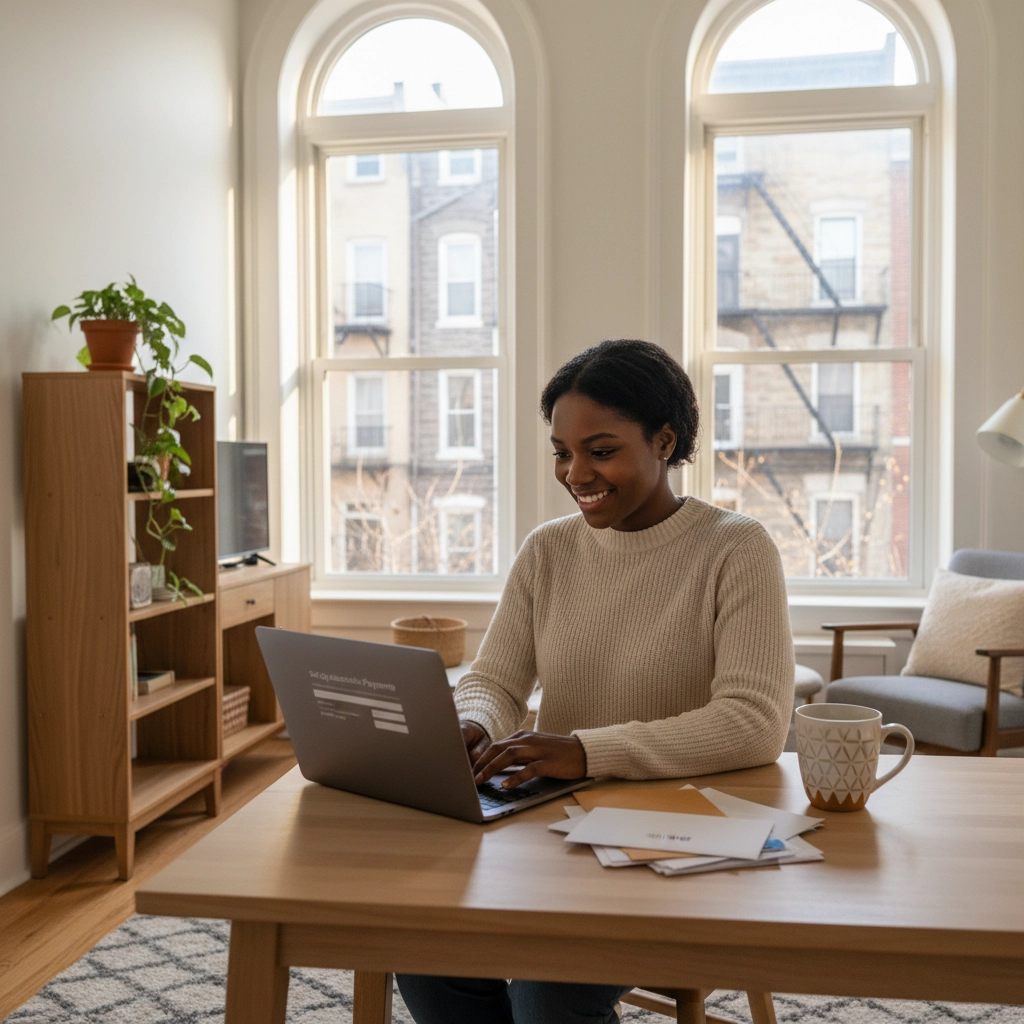
Pro tip: If you're ever going to be late (life happens), give your landlord a heads up as soon as you know. A quick call or text saying "Hey, I'll have rent by the 5th because my paycheck was delayed" shows respect and responsibility. Most reasonable landlords will appreciate the communication.
Treat the Property Like Your Own (Because You Kind of Do)
Here's where a lot of tenants get it wrong: they think "it's not mine, so why should I care?" But here's the reality: taking good care of your rental benefits you just as much as it benefits your landlord. You're the one living there every day.
Handle minor maintenance yourself. We're talking about the small stuff:
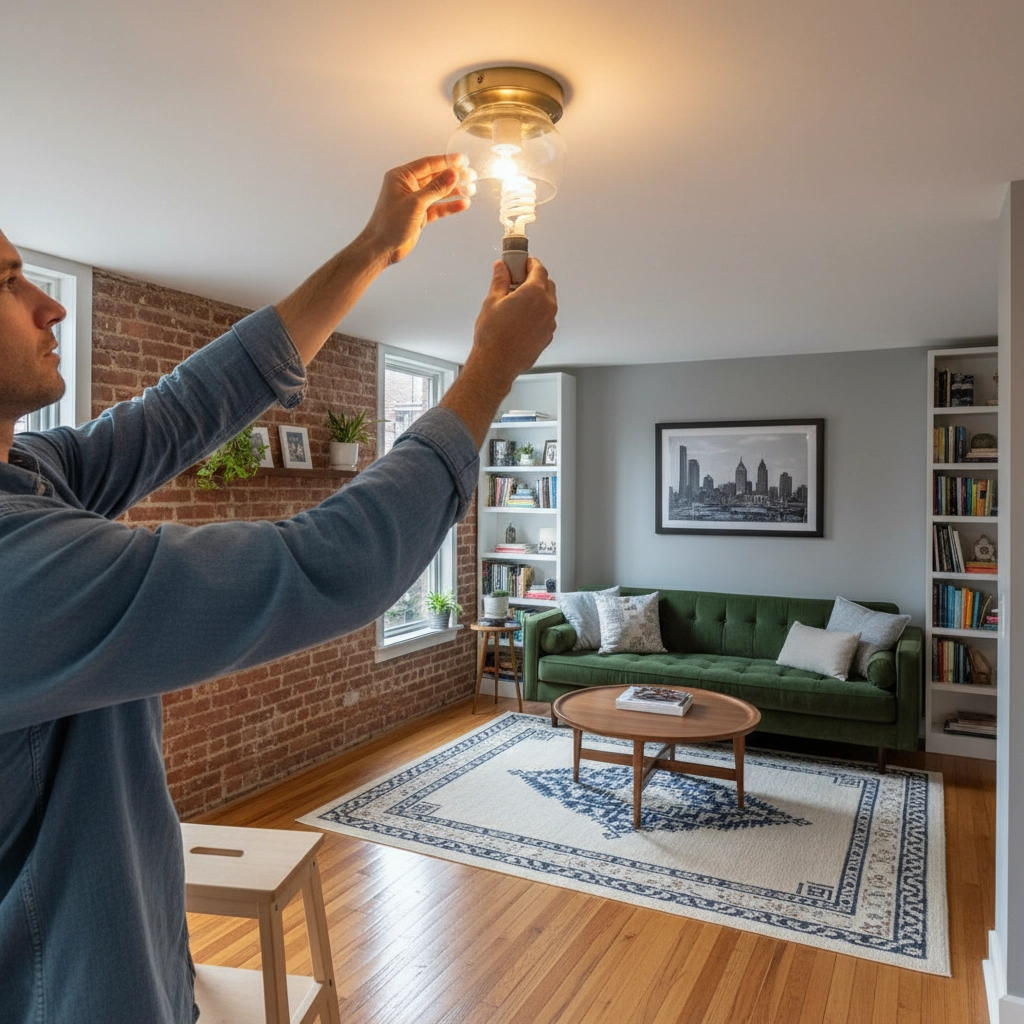
Changing light bulbs
Replacing batteries in smoke detectors
Keeping drains clear
Basic cleaning and upkeep
When you moved in, you probably signed something about returning the property in the same condition (minus normal wear and tear). This isn't just legal jargon: it's your roadmap to getting your security deposit back.
Report bigger issues immediately. That leaky faucet or weird noise from the heater? Don't ignore it hoping it'll go away. Small problems become expensive problems when they're left alone. Your landlord would much rather fix a $50 issue today than a $500 issue next month.
Communication is Everything
Good communication can turn even difficult situations into manageable ones. Your landlord isn't a mind reader, and they're not constantly monitoring your apartment (that would be weird and probably illegal).
Be responsive. When your landlord calls, texts, or emails, get back to them within a reasonable time frame. Even if you don't have all the answers right away, a quick "Got your message, let me check and get back to you" goes a long way.
Give access when needed. Sometimes your landlord needs to get into your place for repairs, inspections, or maintenance. In Pennsylvania, they need to give you reasonable notice (usually 24 hours), but once they do, work with them to schedule something that works for both of you.
Document everything important. Keep records of your communications, especially anything related to repairs, rent payments, or lease changes. This protects both you and your landlord if there's ever a misunderstanding.
Be a Good Neighbor
Nothing creates headaches for landlords faster than tenant complaints about each other. If you're in a multi-unit building, remember that your actions affect everyone around you.
Keep the noise down. This doesn't mean you can't live your life, but be mindful of your neighbors, especially during quiet hours. Late-night parties every weekend aren't just inconsiderate: they're often lease violations.
Take care of common areas. If there's a shared laundry room, lobby, or yard, treat it with respect. Don't leave your stuff lying around, clean up after yourself, and follow any posted rules.
Handle conflicts directly first. If you have an issue with a neighbor, try talking to them directly before involving the landlord. Most people don't realize they're being disruptive and will adjust their behavior once they know.
Know Your Lease Inside and Out
I get it: lease agreements aren't exactly bedtime reading. But understanding what you signed up for is crucial for maintaining a good relationship with your landlord.
Follow the rules you agreed to. If your lease says no pets, don't get a pet. If it says no subletting, don't let your cousin crash on the couch for three months. These aren't suggestions: they're legally binding agreements.
Understand your responsibilities. Different leases put different responsibilities on tenants. Some include utilities, others don't. Some require you to maintain the yard, others handle it. Know what's expected of you so you can meet those expectations.

Know your rights too. Being a good tenant doesn't mean being a pushover. Understand what your landlord is responsible for, what constitutes reasonable notice for entry, and what your rights are if repairs aren't being made. In Philadelphia, tenants have specific rights under local housing codes, and knowing them helps you communicate more effectively with your landlord.
Small Actions, Big Impact
Sometimes it's the little things that make the biggest difference in your landlord relationship:
Keep your place reasonably clean. You don't need to live in a magazine-worthy space, but basic cleanliness prevents pest problems and property damage.
Don't make unauthorized changes. Want to paint a room or install shelving? Ask first. Most reasonable landlords will work with you, especially if you offer to return things to their original condition when you move out.
Pay attention to your surroundings. Notice if a fence is getting loose, if there's a water stain appearing somewhere it shouldn't be, or if something seems off. A quick heads-up to your landlord can prevent bigger problems.
Be honest about issues. If you accidentally broke something or if there's a problem that might be your fault, own up to it. Landlords deal with enough dishonest tenants that they really appreciate straightforward communication.
The Bottom Line
Here's what it all comes down to: being a good tenant isn't about being perfect or walking on eggshells around your landlord. It's about being responsible, communicative, and respectful, basically, treating your rental situation like the important relationship it is.
When landlords have tenants they trust, everyone wins. You get fewer surprise inspections, quicker responses to repair requests, and often more flexibility when you need it. Your landlord gets peace of mind knowing their property is in good hands.
Remember, your landlord's success depends partly on having good tenants, just like your housing stability depends on having a reasonable landlord. When you take these simple steps to show respect for the property and maintain open communication, you're not just keeping your landlord happy: you're investing in your own housing security.
And in a competitive rental market like Philadelphia's, being the kind of tenant landlords want to keep around is one of the best investments you can make in your future housing options.
If you're looking for affordable housing options in Philadelphia where landlords appreciate responsible tenants, check out our available properties at Philadelphia Affordable Housing. We believe in building positive relationships between landlords and tenants that benefit everyone involved.
Comments