
Rent Payment Tips: What Philly Tenants Need to Know to Stay in Good Standing

Let's be honest: nobody wants to be that tenant. You know, the one landlords dread hearing from, the one who's always scrambling to pay rent, or the one who doesn't understand basic rental expectations. Whether you're a first-time renter or you've been around the Philadelphia rental scene for years, staying in good standing with your landlord isn't just about avoiding eviction: it's about building a relationship that benefits both of you.
We've seen too many good tenants struggle simply because they didn't understand the basics of rent management in Philadelphia. So let's break down exactly what you need to know to keep your landlord happy and your housing secure.
Know Your Payment Schedule and Stick to It
Here's the golden rule: rent is due on the first of the month, period. Unless your lease specifically states otherwise, this is the standard expectation across Philadelphia. It doesn't matter if the first falls on a weekend or holiday: your rent is still due then, and most landlords expect payment by that date.
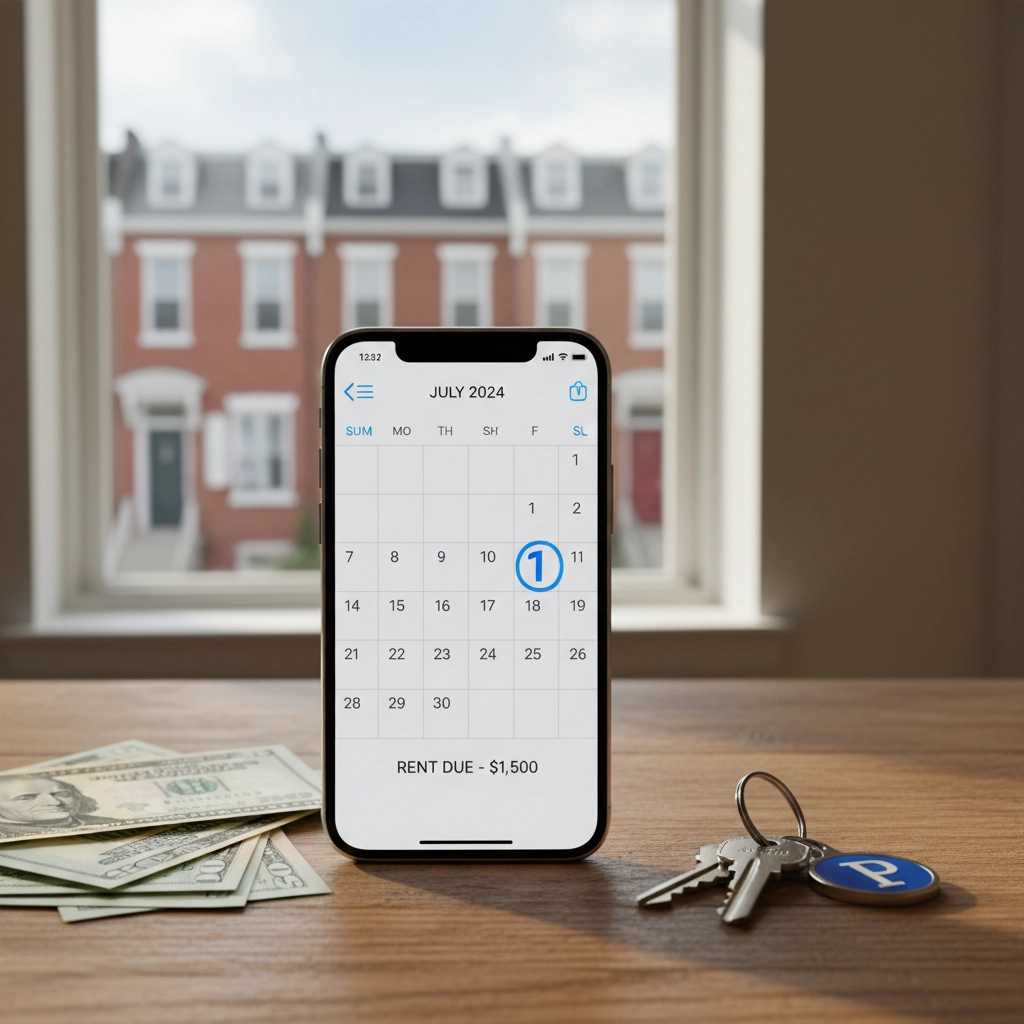
But here's a pro tip that'll make your life easier: set up electronic payments if your landlord offers them. Online and electronic payment methods have become the preferred choice for most Philadelphia landlords because they're secure, create automatic records, and significantly reduce late or missed payments. Plus, you can set up automatic transfers to ensure you never miss a due date.
If your landlord doesn't offer online payments, ask about it. Many property management companies are happy to set up electronic systems when tenants request them: it makes their lives easier too.
Understanding Late Fees (And How to Avoid Them)
Let's talk about the cost of being late. In Philadelphia, landlords typically charge late fees ranging from 5% to 10% of your monthly rent. With the average rent in Philadelphia sitting around $1,595 as of 2025, that means a late fee could cost you anywhere from $80 to $160: just for paying a few days late.
Those fees add up fast. Miss your payment twice in a year, and you're looking at potentially $320 in avoidable fees. That's money that could go toward building an emergency fund or covering other expenses.
Here's how to avoid late fees entirely:
Set up payment reminders on your phone 3-5 days before the first
Keep a separate savings account just for rent money
If you're paid bi-weekly, save half your rent from each paycheck
Use automatic bank transfers to move rent money on a set schedule
Meeting Financial Standing Expectations
Your landlord wants to know you can reliably pay rent every month. That's not being unreasonable: it's good business sense. Understanding what landlords look for in financially stable tenants helps you maintain that standing throughout your lease.
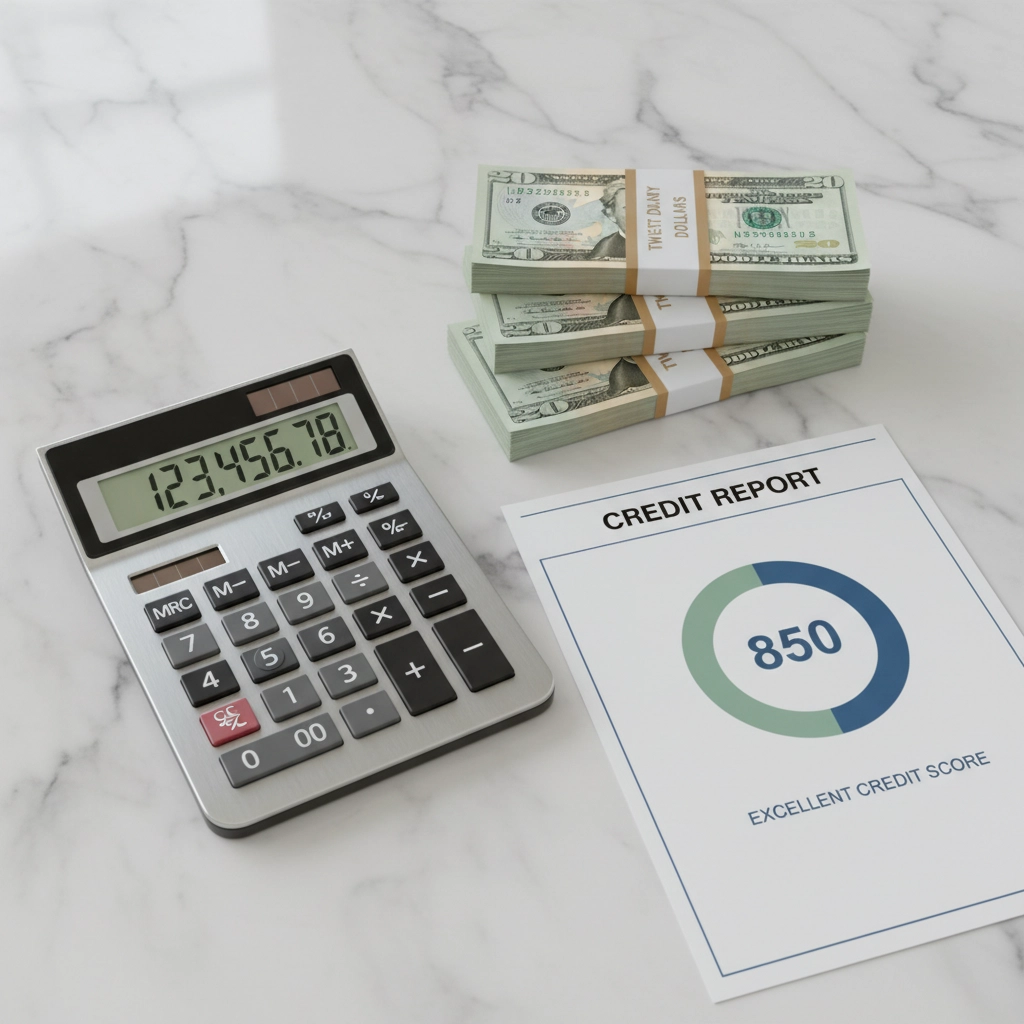
The standard expectation is that your monthly income should be at least three times your monthly rent. So if you're paying $1,200 per month for rent, landlords want to see that you're earning at least $3,600 monthly. Additionally, most landlords prefer tenants with credit scores of 650 or higher and proof of active employment.
If your financial situation changes during your lease: maybe you lose a job or have your hours cut: don't wait until you miss rent to communicate. Reach out to your landlord immediately. Many are willing to work with tenants who are proactive and honest about temporary financial difficulties.
Navigating Philadelphia's New Security Deposit Rules
Philadelphia recently made some tenant-friendly changes to security deposit requirements that can help you manage upfront moving costs. Here's what you need to know:
Under Pennsylvania law, landlords can charge up to two months' rent as a security deposit during your first year, then only one month's rent starting in your second year. But here's the new twist: if your landlord owns three or more units and charges more than one month's security deposit, they must now allow you to pay the excess deposit in three equal monthly installments after move-in.
Let's say you're moving into a $1,500/month apartment. Instead of paying the full $3,000 security deposit upfront, you could pay $1,500 at signing and then spread the remaining $1,500 over three months. That's a huge help for cash flow during the expensive moving process.
Communication That Keeps You in Good Standing
Good tenants communicate clearly and promptly. This doesn't mean bothering your landlord with every minor issue, but it does mean being professional and proactive when real issues arise.
When to contact your landlord immediately:
Maintenance issues that could cause property damage (leaks, electrical problems, heating failures)
Potential changes to your financial situation that might affect rent payments
Any situation where you might need to break your lease early
Problems with other tenants that affect your ability to enjoy your rental
How to communicate effectively:
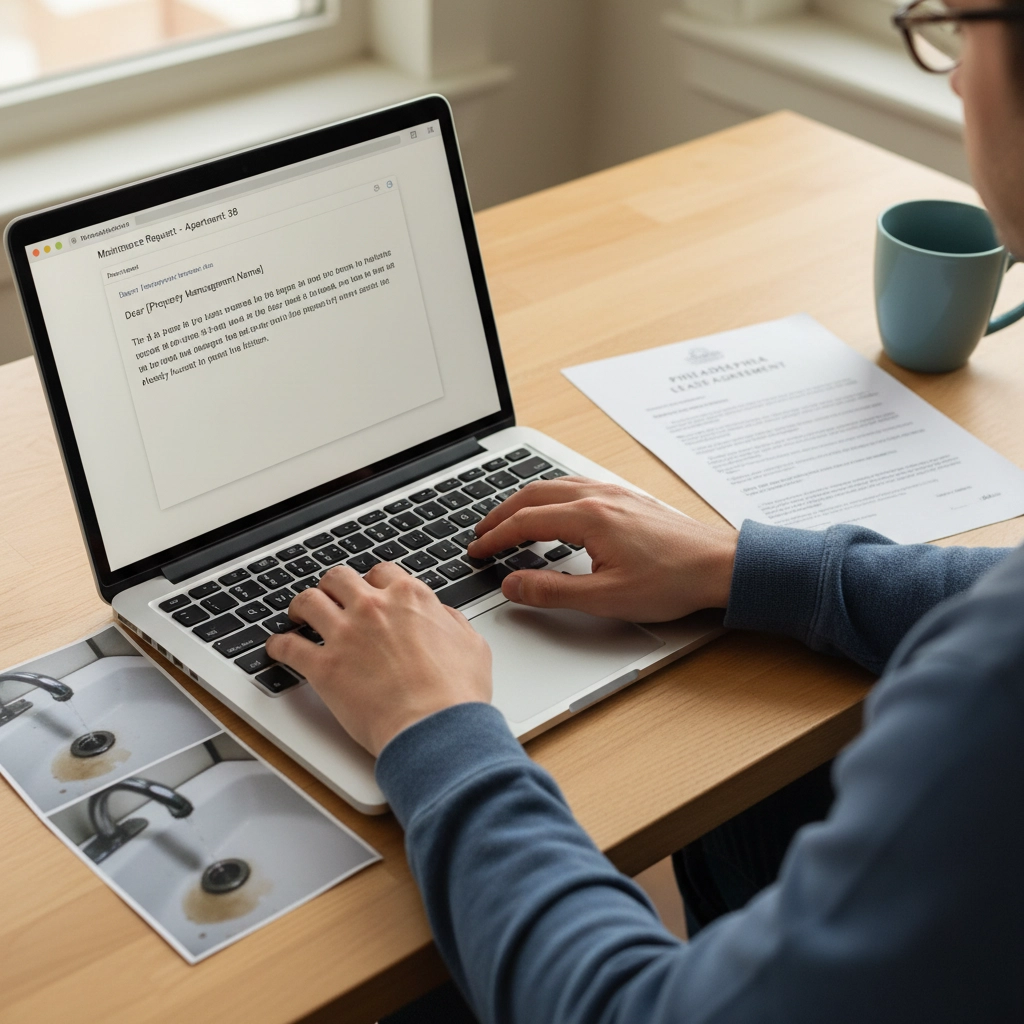
Use email or text when possible to create a paper trail
Be specific about problems and include photos when relevant
Suggest solutions, not just problems
Follow up if you don't hear back within a reasonable timeframe
Remember, your landlord has legal obligations too. They must provide 30 days' notice before raising rent or not renewing your lease, and they're required to maintain the property in habitable condition with running water, heat, and safe electrical and plumbing systems.
Building Your Emergency Fund
One of the best things you can do to stay in good standing is build an emergency fund specifically for housing costs. Life happens: job losses, medical bills, car repairs: and having a buffer protects both you and your landlord.
Try to save at least one month's rent as an emergency fund. If that feels overwhelming, start small. Even saving $50 per month adds up to $600 over a year, which could cover most late fees or help bridge a temporary income gap.
Resources When You're Struggling
If you're facing difficulty paying rent, don't suffer in silence. Philadelphia offers several assistance programs that can help:
PECO's Customer Assistance Program (CAP) may provide rental assistance for back rent
PGW's Customer Responsibility Program (CRP) offers help with security deposits for qualifying low-income tenants
Local nonprofits and community organizations often have emergency rental assistance funds

The key is reaching out for help before you miss payments, not after. Many assistance programs have waiting lists or specific application windows, so early action is crucial.
Understanding Your Rights Protects Your Standing
Knowing your rights as a tenant helps you maintain good standing because you'll understand what's reasonable to expect from your landlord: and what's not. For instance, you have the right to report maintenance issues and potentially withhold rent until serious habitability problems are fixed.
Your security deposit must be returned within 30 days after you move out, minus any legitimate deductions for damages beyond normal wear and tear. Understanding this timeline helps you plan for your next move and ensures you're not taken advantage of.
The Long-Term Benefits of Good Standing
Maintaining good standing with your landlord pays dividends beyond just keeping your current apartment. Good tenants often get:
Priority consideration for lease renewals
Positive references for future rentals
More flexibility during temporary financial difficulties
First consideration for upgrades or better units in the same building
Reasonable accommodation when life circumstances change
Final Thoughts
Staying in good standing as a Philadelphia tenant isn't complicated, but it does require consistent attention and communication. Pay your rent on time, communicate proactively, understand your rights and responsibilities, and build financial buffers when possible.
Remember, a good tenant-landlord relationship benefits everyone involved. When tenants consistently meet their obligations and communicate effectively, landlords are more likely to be flexible, responsive, and fair. That's the kind of rental situation that makes city living enjoyable for everyone.
Your housing should be a stable foundation for the rest of your life: not a source of constant stress. By following these guidelines, you'll not only stay in good standing but also build the kind of rental history that opens doors to better housing opportunities in the future.
Comments