
Pet-Friendly Affordable Housing: Finding the Right Spot for You and Your Furry Friend

Finding affordable housing in Philadelphia is challenging enough: add a pet into the mix, and it can feel downright overwhelming. But here's the good news: pet-friendly affordable housing does exist in Philly, and with the right approach, you can find a place that works for both you and your furry (or feathered, or scaled) companion.
As someone who's helped countless families navigate Philadelphia's rental market, I've seen firsthand how pets aren't just animals: they're family members. That's why we're here to walk you through everything you need to know about finding pet-friendly affordable housing in our city.
Where to Start Your Search
The key to finding pet-friendly affordable housing is knowing where to look. Don't just stick to the big rental websites: they often filter out smaller landlords who might be more flexible with pet policies.
Online Resources: • Philadelphia Housing Authority (PHA) - Check their website for pet policies in subsidized housing • Zillow and Apartments.com - Use their pet-friendly filters, but don't stop there • Craigslist - Many individual landlords post here and may be open to negotiation • Facebook Marketplace and local housing groups - Search "Philadelphia rentals" or "Philly housing" • PadMapper - Great for visualizing available units in pet-friendly buildings

Local Networking: Sometimes the best leads come from word of mouth. Ask at local pet stores, veterinary offices, and dog parks: other pet owners often know which landlords are pet-friendly. Many neighborhood Facebook groups also share rental listings, and residents are usually happy to recommend pet-friendly landlords.
Walking the Neighborhoods: Don't underestimate the power of walking through neighborhoods you're interested in. Look for "For Rent" signs and ask current tenants if they have pets. If you see dogs in yards or people walking pets, that's usually a good sign the area is pet-friendly.
Essential Questions to Ask Landlords
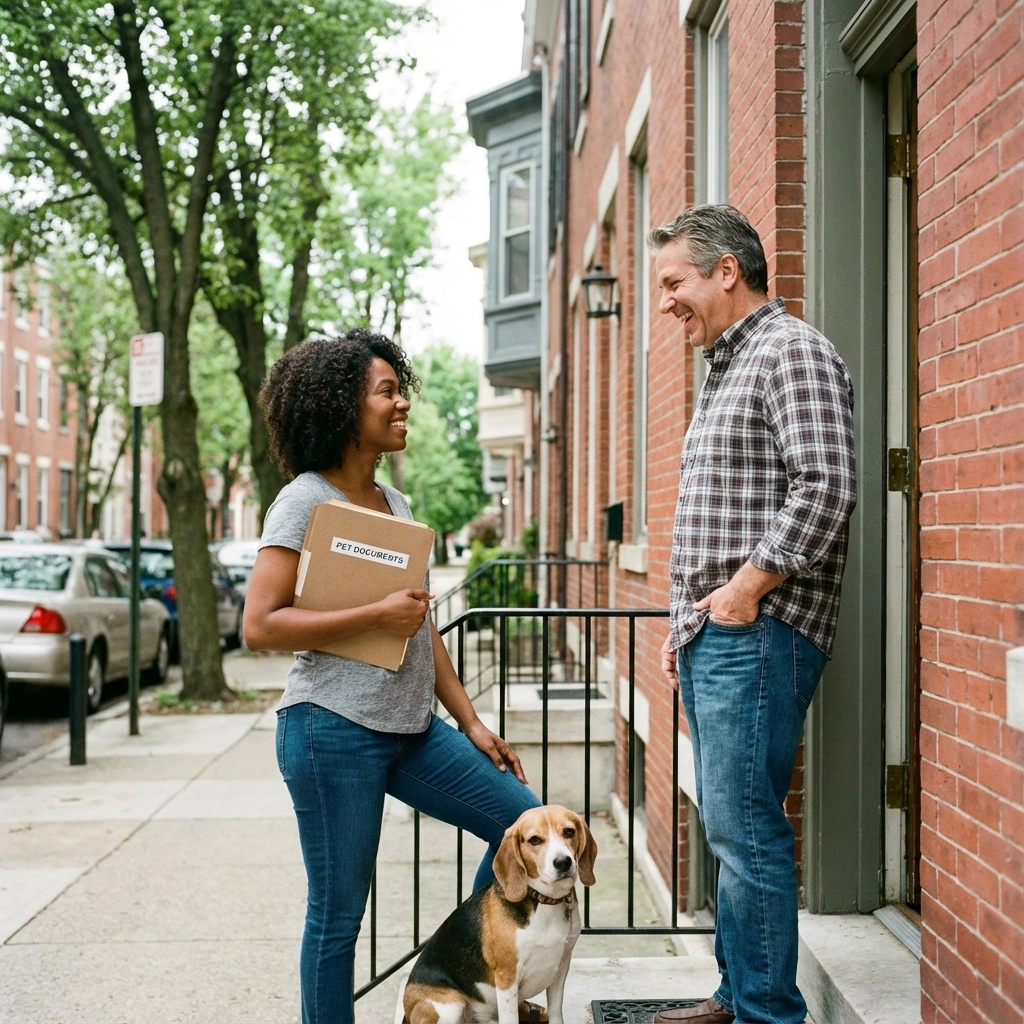
When you find a potential place, don't be shy about asking detailed questions. A good landlord will appreciate your thoroughness: it shows you're a responsible pet owner.
Pet Policy Basics: • "What's your pet policy, and are there any breed or size restrictions?" • "How many pets are allowed per unit?" • "Do you require pet references from previous landlords or veterinarians?" • "Is there a pet interview process?"
Financial Details: • "What are the pet fees: both one-time and monthly?" • "Is the pet deposit refundable?" • "Do pet fees count toward the security deposit limit?" • "Are there any additional insurance requirements for pet owners?"
Property Specifics: • "Are there designated pet areas or nearby parks?" • "What are the rules about pets in common areas?" • "Are there any noise restrictions I should know about?" • "How do you handle pet-related maintenance issues?"
Understanding the Real Costs
Let's talk money: because pet-friendly housing often comes with extra costs that can add up quickly.
Types of Pet-Related Fees:
Pet Deposits: Usually $200-$500 per pet, often refundable if there's no pet-related damage. In Pennsylvania, landlords can charge pet deposits in addition to your regular security deposit.
Pet Rent: Monthly fees ranging from $25-$75 per pet. This is non-refundable and goes toward general pet-related maintenance and wear.
Pet Fees: One-time non-refundable fees, typically $100-$300. Some landlords prefer this over monthly pet rent.
Additional Insurance: Some landlords require renters with pets to carry higher liability coverage, which might add $10-$20 to your monthly insurance bill.
Pro tip: Always get pet policies in writing. If a landlord says "sure, pets are fine" during a phone call, ask them to include the specific terms in your lease agreement.
Mastering the Art of Pet Agreement Negotiation
Here's where many people miss opportunities. Landlords aren't always set in stone about their pet policies: especially if you present yourself as a responsible pet owner.
Before You Negotiate: • Prepare a "pet resume" with vaccination records, references from previous landlords, and photos of your well-behaved pet • Get a letter from your veterinarian confirming your pet is healthy and up-to-date on vaccines • Consider pet liability insurance: it's often cheaper than you think and shows responsibility
Negotiation Strategies: • Offer a higher security deposit instead of monthly pet rent • Suggest a trial period: maybe the first month with your pet is probationary • Provide references from neighbors at your current place • Offer to pay for professional carpet cleaning when you move out
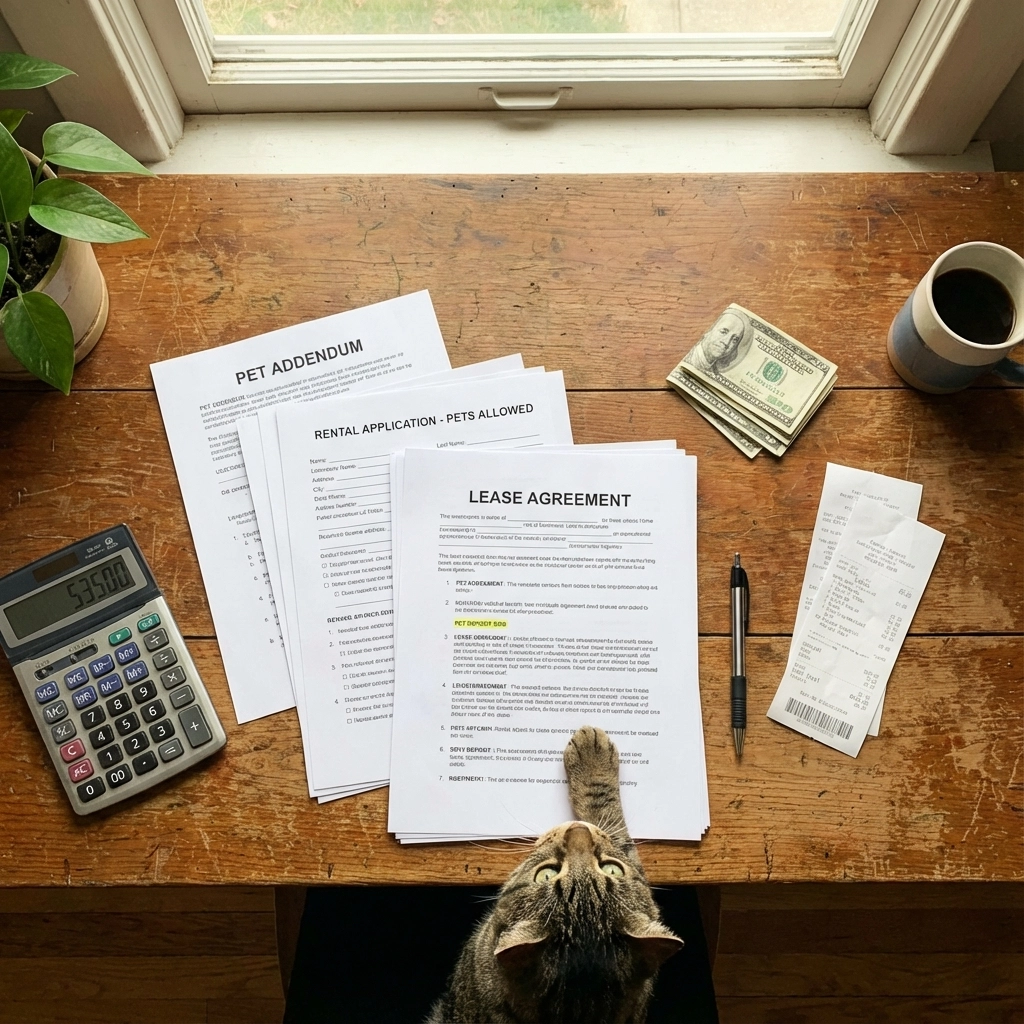
What to Put in Writing: Any agreements you reach should be added to your lease. This includes pet fees, rules about pet areas, and any special arrangements you've negotiated. Don't rely on verbal agreements: they're hard to enforce later.
Philadelphia-Specific Resources for Pet Owners
Philadelphia has some great resources that can help you and your pet thrive in your new home.
Local Support: • ACCT Philly - Offers low-cost veterinary services and pet supplies • Philadelphia Animal Welfare Society (PAWS) - Provides affordable veterinary care and pet resources • Morris Animal Refuge - Community programs and pet support services
Legal Resources: • Philadelphia Legal Assistance - Can help if you face pet-related discrimination • Pennsylvania Fair Housing - Know your rights regarding service animals and emotional support animals
Dog Parks and Pet-Friendly Areas: • Schuylkill River Trail - Great for dog walking • Penn Treaty Park - Dog-friendly green space • Multiple neighborhood dog parks throughout the city
The Tenant Application Process with Pets
When you're ready to apply, your tenant application process will be slightly different. Here's how to set yourself up for success:
Application Materials to Prepare: • Standard rental application (you can find resources at our website) • Pet resume with photos and vaccination records • Pet references from previous landlords • Veterinarian contact information • Proof of pet insurance or willingness to obtain it
During the Application: Be upfront about your pets from the start. Trying to hide pets or bring them up last minute will usually backfire. Instead, lead with your pet's best qualities and your commitment to being a responsible pet owner.
If You're Denied: Don't get discouraged. Ask for specific feedback about why your pet application was rejected. Sometimes it's about insurance requirements or building policies that can be addressed.
Special Considerations for Different Types of Pets
Dogs: Size and breed restrictions are common. Consider neighborhoods with nearby parks and dog-friendly businesses. Some landlords are more comfortable with smaller dogs or certain breeds with better reputations.
Cats: Generally easier to place than dogs, but some landlords worry about litter box odors or furniture damage. Emphasize that your cat is litter trained and consider offering to replace air filters more frequently.
Small Pets: Birds, fish, hamsters, and reptiles are often easier to negotiate, but always disclose them. Some leases have blanket "no pets" policies that technically include all animals.

Red Flags to Watch Out For
Not every "pet-friendly" situation is actually pet-friendly. Watch for these warning signs:
• Landlords who seem uncomfortable discussing pet policies • Extremely high pet fees that seem unreasonable for the area • Vague or confusing pet agreements • Properties with no outdoor access or nearby green space • Landlords who want to meet your pet but seem fearful or dismissive
Making It Work: Tips for Success
Once you've found your pet-friendly affordable housing, here's how to be the tenant every landlord wants:
• Be a model tenant: Pay rent on time, keep the place clean, and address any pet issues immediately • Regular maintenance: Report any pet-related wear and tear quickly • Good neighbor relations: Make sure your pet doesn't disturb others • Document everything: Take photos of the unit's condition when you move in
Remember: Finding pet-friendly affordable housing in Philadelphia takes patience, but it's absolutely possible. Start your search early, be prepared with documentation, and don't be afraid to advocate for yourself and your pet.
Your furry friend doesn't have to be a barrier to finding great affordable housing: with the right approach, they can be part of your Philadelphia success story. Good luck with your search, and remember that we're here to help you navigate the rental process every step of the way.
Comments