
How to Qualify for Affordable Housing in Philadelphia: 5 Steps That Actually Work (Easy Guide for First-Time Renters)

Finding affordable housing in Philadelphia doesn't have to feel like searching for a needle in a haystack. As someone who's helped countless first-time renters navigate this process, I can tell you that success comes down to following the right steps in the right order.
The good news? Philadelphia has expanded its affordable housing programs significantly, and if you know what you're doing, you can actually land a great place without breaking the bank. Let's walk through the five steps that actually work.
Step 1: Check Your Income Eligibility (This Is Your Starting Point)
Before you do anything else, you need to figure out if you actually qualify for Philadelphia's affordable housing programs. This isn't just a formality – it's the foundation of your entire application strategy.
Philadelphia's affordable housing programs use something called Area Median Income (AMI) to determine eligibility. Different programs have different income limits, so you'll want to know exactly where you stand.
Here's what you need to know about current income limits:
• 80% AMI Programs: Single person can earn up to $66,850 annually, family of four up to $95,500 • 100% AMI Programs: Single person can earn up to $83,600 annually • Some programs go even higher: Depending on the specific program and your situation
The key is being honest about your total household income. This includes wages, benefits, unemployment, child support – basically any money coming in regularly. Don't try to fudge the numbers because they'll verify everything during the application process.
Pro tip: If you're right on the border of qualifying, look into programs with slightly higher income limits before giving up entirely.
Step 2: Get Your Paperwork Game Together
I can't stress this enough – having your documents organized and ready to go is what separates successful applicants from those who get stuck in bureaucratic limbo for months.

Here's your complete document checklist:
Income Documentation: • Last two months of pay stubs • Previous two years' tax returns • Benefit statements (if applicable) • Bank statements showing regular deposits
Personal Identification: • Valid state ID or driver's license • Social Security cards for all household members • Birth certificates for everyone in your household
Housing History: • Previous landlord references and contact info • Rental payment history (if you have it) • Any eviction records (yes, they'll find out anyway)
Additional Documents: • Employment verification letter • Asset documentation (savings accounts, investments) • Disability documentation (if applicable)
Create both physical and digital folders for these documents. Trust me, you'll be submitting them multiple times to different programs, and having everything organized will save you hours of stress.
Step 3: Understand Philadelphia's Specific Programs (They're Not All the Same)
Philadelphia isn't just one big affordable housing program – it's actually dozens of different programs with different rules, benefits, and application processes. Understanding which ones fit your situation is crucial.
Public Housing Authority (PHA) Programs: The Philadelphia Housing Authority manages several programs including traditional public housing and Housing Choice Vouchers (Section 8). These are income-based, meaning you'll pay roughly 30% of your income toward rent.
Private Market Programs: These programs help you afford apartments in regular buildings by providing rental assistance or connecting you with participating landlords who offer below-market rents.
Transitional Programs: If you're coming from homelessness or temporary housing, there are specific programs designed to help you transition to permanent housing.
The reality is that different programs have different waiting times, different application processes, and different benefits. A housing counselor can help you figure out which programs make the most sense for your specific situation.
Step 4: Apply Through the Right Channels (Location Matters)
This is where a lot of first-time renters mess up. They either apply to the wrong program or go through unofficial channels that waste precious time.
For Philadelphia Housing Authority programs, you need to apply directly through PHA. You can call them at 215-684-4000 or visit their admissions office at 2013 Ridge Ave. Don't apply through third-party websites or pay anyone to submit your application – legitimate housing programs don't charge application fees.
When you're filling out applications:
• Be completely accurate: Any discrepancies can disqualify you • Include all required documents: Incomplete applications get sent back • Keep copies of everything: You'll need them for follow-up • Submit before deadlines: Late applications often aren't accepted
Some programs have open applications year-round, while others only accept applications during specific periods. Make sure you're applying when the program is actually accepting new applicants.
Step 5: Follow Up Like Your Housing Depends on It (Because It Does)
Here's what most people don't realize: submitting your application is just the beginning. The real work happens during the follow-up period.
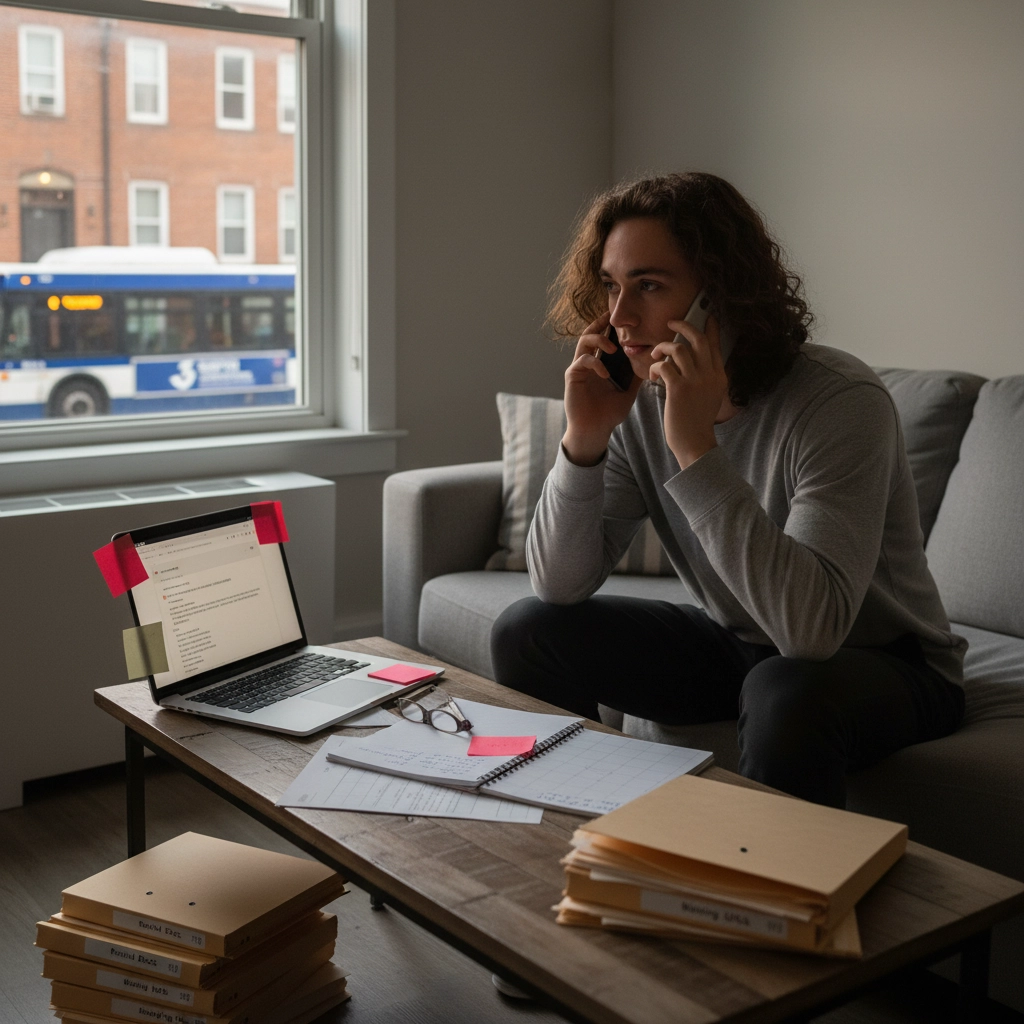
Set Up a Follow-Up System: • Check your application status monthly • Keep a log of every conversation and email • Update your contact information immediately if it changes • Respond to any requests for additional information within 48 hours
Housing authorities communicate primarily through mail and phone calls. If you miss their call or don't respond to a letter, you could lose your spot on the waiting list entirely. I've seen people wait two years for housing only to lose it because they didn't answer their phone when the housing authority called.
Stay Organized During the Wait: • Keep your income documentation current • Notify the housing authority of any household changes • Continue paying your current rent on time (they check this) • Consider applying to multiple compatible programs to increase your chances
Making It Happen: Your Next Steps
Look, I'm not going to sugarcoat this – Philadelphia's affordable housing market is competitive, and waiting lists can be long. But if you follow these five steps systematically, you're putting yourself in the best possible position to succeed.
The biggest mistake I see first-time renters make is trying to rush through the process or skipping steps because they seem tedious. The applicants who get housing are the ones who treat this like the important life process it is.
Remember, Philadelphia has been investing heavily in affordable housing programs, and there are more opportunities now than there were even two years ago. The key is being prepared, being persistent, and being patient.
If you need additional support navigating this process, consider reaching out to a HUD-approved housing counselor or local nonprofits that specialize in housing advocacy. Organizations like the Urban League of Philadelphia offer free assistance to help you complete applications and understand your options.
Your path to affordable housing in Philadelphia starts with taking that first step: checking your income eligibility. Once you know where you stand, the rest of the process becomes much more manageable. You've got this – and Philadelphia's got programs designed to help you succeed.
Comments