
How to Find Income-Based Apartments in Philadelphia: Your Step-by-Step Guide

Finding affordable housing in Philadelphia doesn't have to feel like searching for a needle in a haystack. If you're looking for income-based apartments, you're in luck – the City of Brotherly Love has plenty of options designed to help residents live affordably. Let's walk through exactly how to find and secure income-based housing that fits your budget.
What Are Income-Based Apartments?
Before we dive into the hunt, let's get clear on what income-based apartments actually are. These aren't just "cheap apartments" – they're specially designated housing units where your rent is calculated based on what you can actually afford to pay.
There are two main types you'll encounter:
Income-based rent: Your monthly payment is calculated as a percentage of your income (usually 30%)
Income-restricted units: Fixed below-market rates for people earning within certain income limits
The beauty of income-based housing is that it adjusts to your financial situation, making it much more sustainable than trying to squeeze into a market-rate apartment that eats up most of your paycheck.

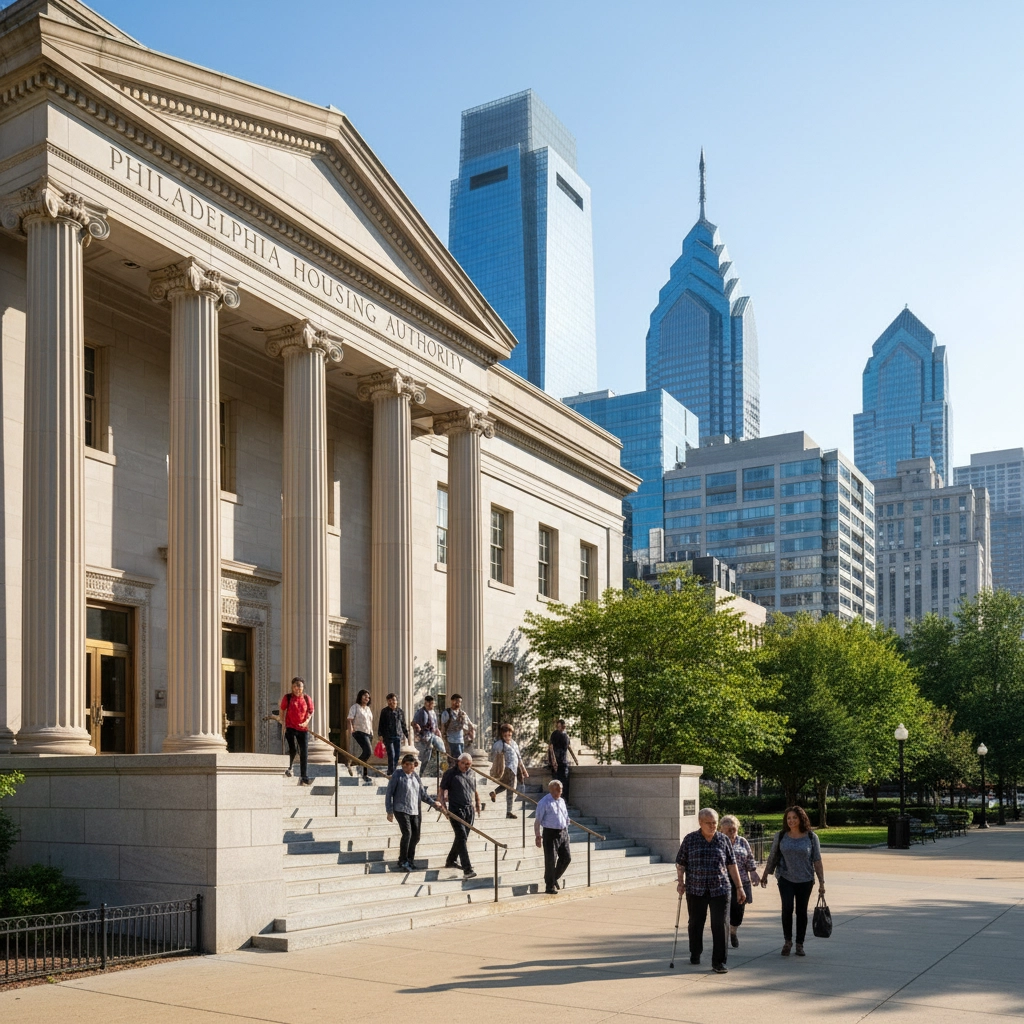
Step 1: Start with the Philadelphia Housing Authority
Your first stop should be the Philadelphia Housing Authority (PHA). They're the big players in affordable housing here, and they manage two major programs that could be perfect for you:
Housing Choice Voucher Program (Section 8) This federal program is a game-changer. Instead of limiting you to specific buildings, you get a voucher that helps cover rent at private apartments throughout the city. You can choose where to live, and the program covers the difference between what you can afford and the market rent.
Public Housing These are apartments directly owned and managed by PHA. While the buildings are designated affordable housing, they're well-maintained and located throughout Philadelphia's neighborhoods.
To get started, visit PHA's office or check their website. Fair warning: waiting lists can be long, but it's worth getting your name on the list as early as possible.
Step 2: Connect with Nonprofit Housing Organizations
Philadelphia has some amazing nonprofits that specialize in affordable housing, and many offer more than just a roof over your head.
Project HOME operates Kate's Place in Center City, which offers 144 affordable units. What makes them special is that they provide on-site case management and connections to healthcare, education, and job opportunities. It's not just housing – it's a support system.
NKCDC manages income-based apartments in Kensington, including the beautifully renovated Coral Street Arts House. They work with Multifamily Management of Philadelphia (MMP) for applications, so you'll want to reach out to MMP directly.
Mission First Housing Group runs properties like Mid City Apartments in Center City. These 53 units often work through the City's permanent supportive housing referral process, which is great if you're already working with a case manager.
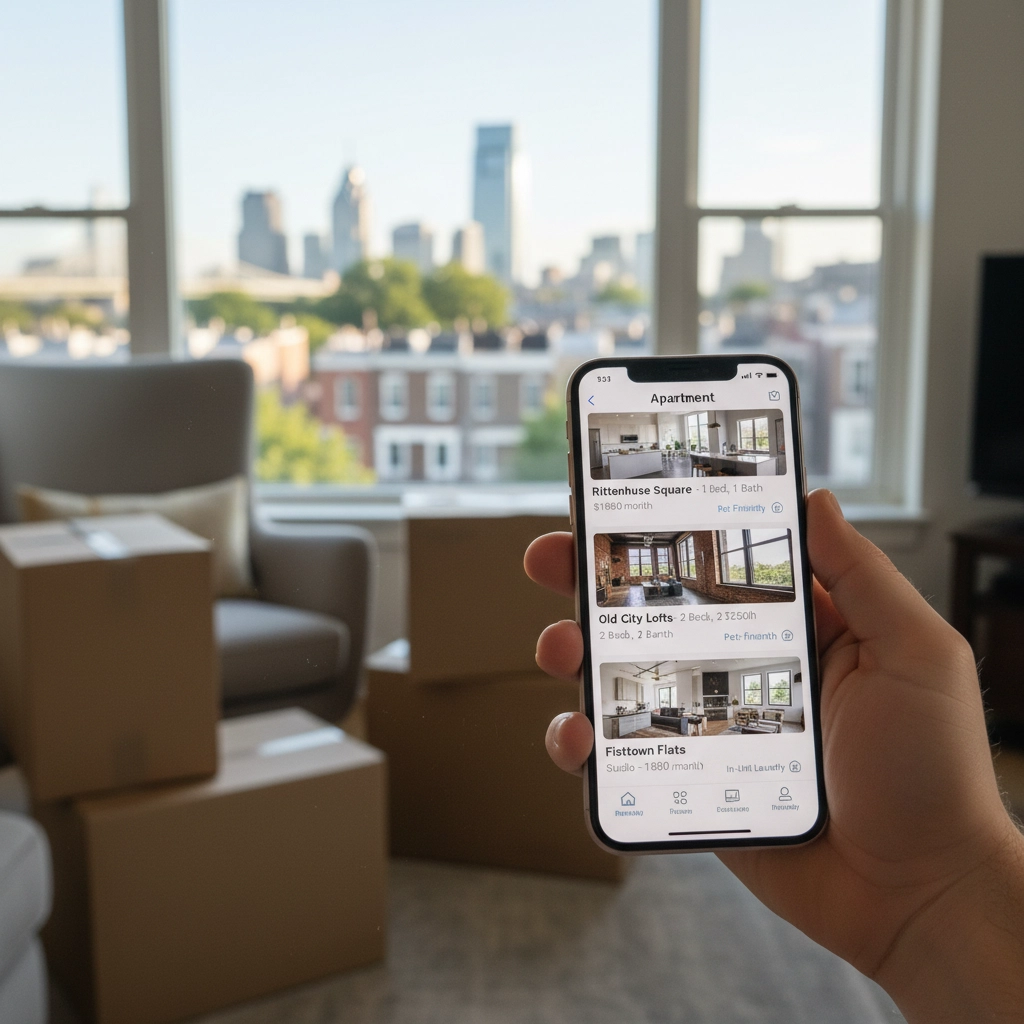
Step 3: Use Online Rental Platforms Strategically
Don't overlook the power of online apartment hunting, but you'll need to search smart:
Zillow: Has a specific filter for low-income apartments in Philadelphia
Apartments.com: Offers affordable housing filters for different neighborhoods
Rent.com: Often lists income-restricted properties
When searching these sites, use keywords like "income-based," "affordable housing," "subsidized," or "income-restricted." You'll find listings with details about rent ranges, income requirements, and application processes.
Step 4: Understand Income Eligibility
Here's where things get specific. Most income-based apartments have eligibility thresholds, and they're usually tied to the Area Median Income (AMI) for Philadelphia.
Common income limits you'll see:
Extremely Low Income: 30% of AMI or below
Very Low Income: 31-50% of AMI
Low Income: 51-80% of AMI
For example, Kate's Place reserves certain units for individuals with extremely low incomes, while some Mission First properties serve residents with incomes below 20% of AMI. Make sure to check each property's specific requirements before applying.
Step 5: Gather Your Documentation
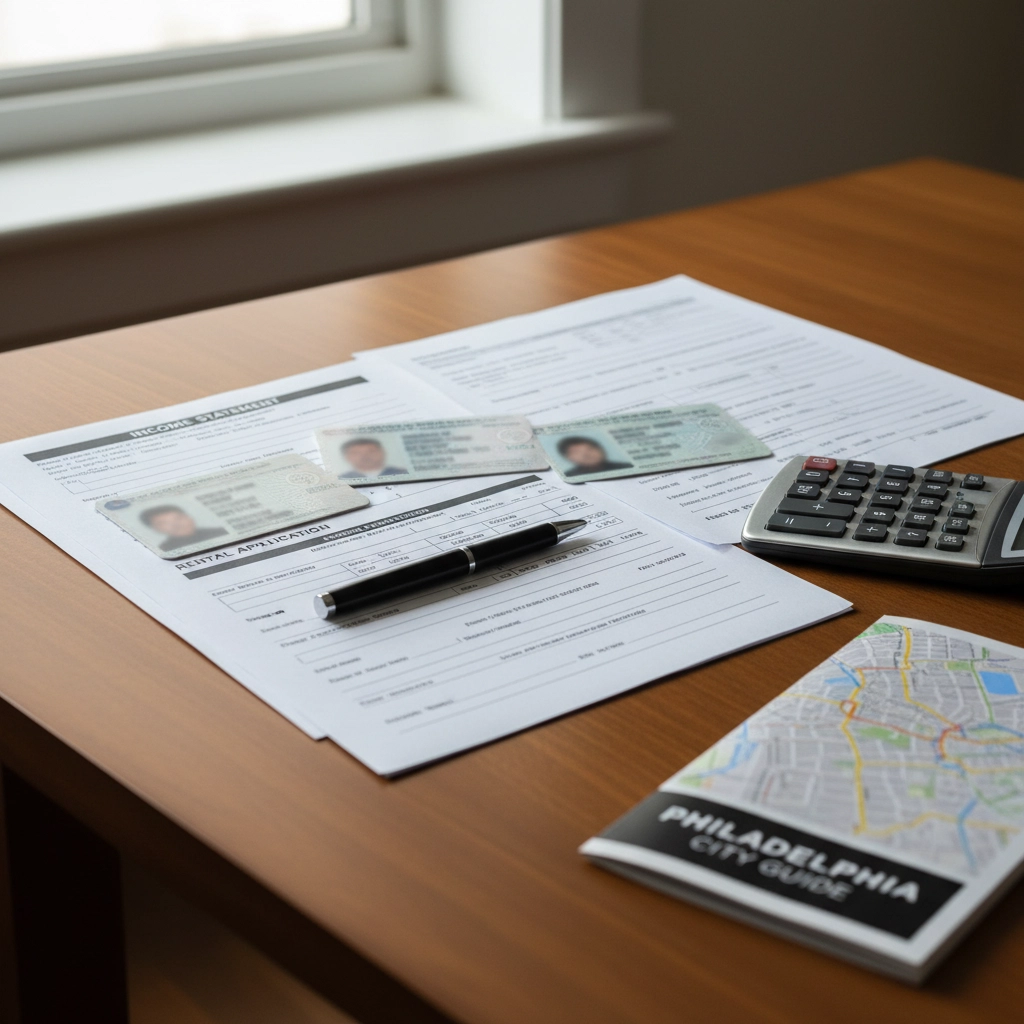
Getting your paperwork in order early will speed up the application process significantly. Here's what you'll typically need:
Proof of income: Recent pay stubs, tax returns, or benefit award letters
Identification: State ID or driver's license
Rental history: References from previous landlords if you have them
Proof of Philadelphia connection: Utility bills, voter registration, or other documentation showing you live or work in the area
Pro tip: Make copies of everything and keep them organized in a folder. You'll be thankful when you can quickly submit applications without scrambling to find documents.
Step 6: Consider Legal Assistance
If you're feeling overwhelmed by the process or facing any housing-related legal issues, Community Legal Services offers free assistance with:
Section 8 program navigation
Eviction prevention and assistance
Understanding your rights as a tenant
Housing discrimination issues
They're especially helpful if you're currently in subsidized housing and need guidance on transferring or maintaining your benefits.
Step 7: Apply Directly to Properties
Once you've identified potential apartments, it's time to start the tenant application process. Each property might have slightly different procedures, but here's what to expect:
Contact the property directly: Call or visit in person to inquire about availability and application procedures. Many properties have on-site managers who can answer questions immediately.
Submit your application promptly: Affordable housing moves fast. When you find something that works, don't wait – submit your complete application as soon as possible.
Follow up regularly: Stay in touch with property managers about your application status. It shows you're serious and helps keep you top of mind.
Step 8: Be Patient but Persistent
Finding income-based housing takes time, and that's normal. Waiting lists are common, especially for the most desirable properties and programs. Here's how to stay sane during the process:
Apply to multiple properties and programs simultaneously
Keep detailed records of where you've applied and when
Set reminders to follow up on applications
Stay open to different neighborhoods – you might discover a great area you hadn't considered
Red Flags to Watch Out For
Not all "affordable housing" advertisements are legitimate. Be cautious of:
Properties requiring large upfront fees before you've seen the unit
Listings that seem too good to be true for the neighborhood
Landlords who won't provide proper documentation or references
Properties that won't let you tour the unit before signing
Making Your Application Stand Out
While income-based housing prioritizes need over competition, there are ways to strengthen your application:
Provide complete documentation the first time
Include a brief letter explaining your housing situation and why the property would be a good fit
Get references from employers, previous landlords, or community organizations
Demonstrate stability in employment or income sources
Beyond the Basics: Additional Resources
If you need more specialized assistance, Philadelphia offers additional programs:
Emergency rental assistance for those facing eviction
First-time homebuyer programs if you're interested in eventually purchasing
Senior housing programs for residents 62 and older
Veteran-specific housing programs
You can find more information about these programs and connect with local housing counselors through our website at https://www.philadelphiaaffordablehousing.com/info.
Remember, finding the right income-based apartment is a process, not a race. Take it one step at a time, stay organized with your applications, and don't get discouraged if the first few properties don't work out. Philadelphia has a strong network of affordable housing options – with persistence and the right approach, you'll find a place that works for your budget and lifestyle.
The key is starting early, casting a wide net, and staying patient throughout the process. Your affordable home in Philadelphia is out there waiting for you.
Comments