
How to Communicate With Your Philadelphia Landlord (And Get What You Need!)

Living in Philadelphia comes with its own unique rental landscape, and knowing how to communicate effectively with your landlord can make all the difference between a smooth rental experience and constant headaches. Whether you're dealing with maintenance issues, have questions about your lease, or need to address concerns, the way you approach these conversations can determine whether you get what you need: and fast.
Good communication isn't just about getting your problems solved; it's about building a relationship that works for both you and your landlord. When tenants know how to communicate properly, landlords are more responsive, repairs happen faster, and everyone's happier. Let's dive into the strategies that actually work in the City of Brotherly Love.
Start Strong: Building the Foundation
The best tenant-landlord relationships begin before you even sign the lease. When you're touring a property or meeting with your potential landlord, pay attention to how they communicate with you. Are they responsive to your questions? Do they provide clear information about policies and procedures?
Once you've decided to rent, establish your communication preferences early. Some landlords prefer email for everything, while others are fine with text messages for quick updates. Ask your landlord:
What's the best way to reach you for routine questions?
How do you prefer to receive maintenance requests?
What are your typical response times?
Who should I contact if you're unavailable?

This upfront conversation sets expectations on both sides and shows your landlord that you're a thoughtful, organized tenant: the kind they want to keep around.
The Golden Rule: Put It in Writing
Here's one of the most important things you need to know about Philadelphia rental law: always submit repair requests in writing. This isn't just a suggestion: it's your legal protection. Whether it's a dripping faucet, a broken heater, or something more serious, document your request through text, email, or even a written letter.
When you write your repair request, include:
Specific details about what's broken or not working
When the problem started or when you first noticed it
How it's affecting your daily life (especially for urgent issues)
Photos if relevant (water damage, electrical issues, etc.)
For example, instead of texting "The sink is broken," try: "The kitchen sink faucet has been dripping constantly since yesterday morning. It's gotten worse overnight and is now dripping every few seconds, making it difficult to sleep. Can someone take a look this week?"
Your landlord is legally responsible for providing you with a safe and clean place to live, which means they must address legitimate repair requests. Having everything in writing protects you if repairs aren't made in a reasonable timeframe.
Master the Art of Professional Communication
Even when you're frustrated (and trust us, we get it: dealing with broken appliances is never fun), keeping your communication professional and respectful will get you better results. Here's how to strike the right tone:
Do:
Use a friendly but clear tone
Explain the impact of the issue on your daily life
Suggest reasonable timeframes for repairs
Thank them for their attention to the matter
Follow up politely if you don't hear back
Don't:
Make demands or threats in your initial communication
Use all caps or excessive punctuation
Assume malicious intent
Bring up unrelated issues in the same message
Contact them at unreasonable hours (unless it's a true emergency)
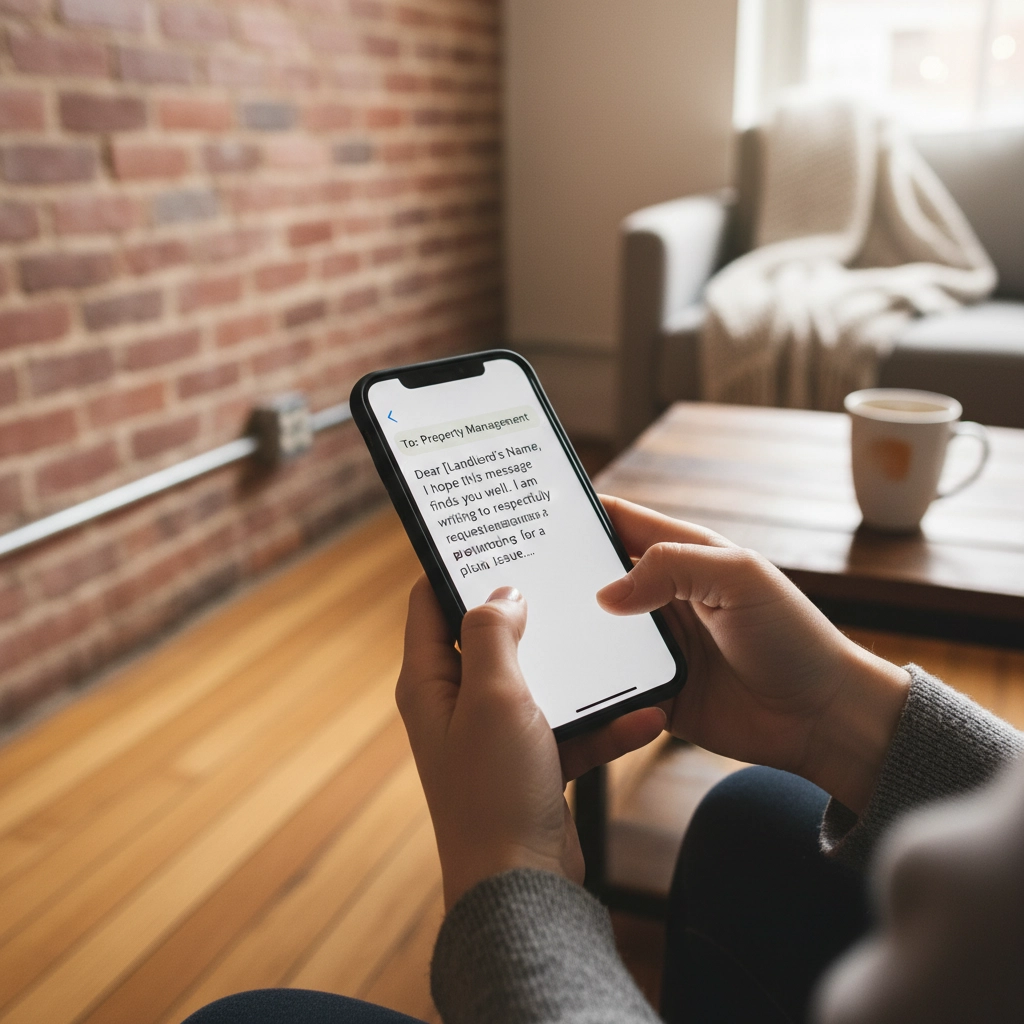
Remember, your landlord is likely managing multiple properties and tenants. Clear, respectful communication helps your request stand out and get prioritized.
Know When and How to Escalate
Sometimes, despite your best efforts at communication, issues don't get resolved. Maybe your landlord isn't responding to repair requests, or perhaps they're violating your rights as a tenant. This is when you need to know your options for escalation.
Step 1: Follow Up in Writing
If you haven't heard back within a reasonable timeframe (usually 7-14 days for non-emergency repairs), send a follow-up message. Reference your original request and ask for an update on when the repair will be scheduled.
Step 2: Know Your Legal Rights
In Philadelphia, if your landlord refuses to make necessary repairs after you've submitted written requests, you have legal options. For serious issues affecting habitability, you may be able to withhold rent through an escrow process. To do this legally, you must send a letter stating you're withholding rent and place the rent money in a bank account or money order.
Step 3: Contact the Philly Tenant Hotline
Philadelphia has resources specifically designed to help tenants navigate difficult situations. The Philly Tenant Hotline at 267-443-2500 offers free information, legal advice, and possible representation. They're open Monday through Friday from 8 a.m. to 6 p.m.
You can also contact Community Legal Services at 215-981-3700 for additional support.
Understanding Entry and Privacy Rights
One area where communication often breaks down involves when and how your landlord can enter your rental unit. In Philadelphia, your lease should clearly outline entry procedures, and you have the right to "quiet enjoyment" of your home.
Generally, reasonable entry hours are between 9 a.m. and 5 p.m., and 24 hours' notice is commonly expected (unless it's a true emergency). If your landlord is entering without permission, making unreasonable entry demands, or engaging in harassment, don't stay silent.
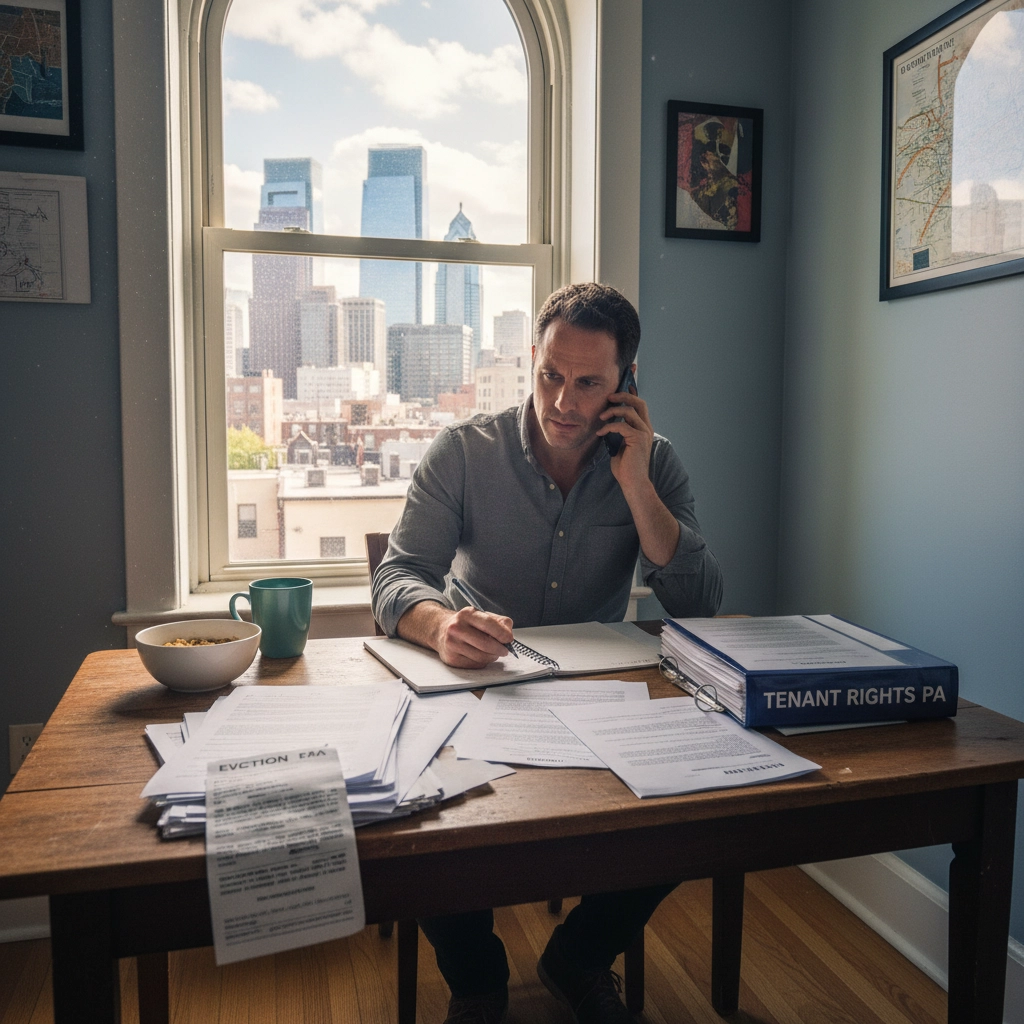
If there's a pattern of harassment, threats, or discriminatory behavior, you can file a complaint with the Philadelphia Fair Housing Commission at 215-686-4670 or visit 601 Walnut Street, Suite 300 South.
Communication for Different Situations
Routine Maintenance Requests
For non-urgent issues like a running toilet or squeaky door, email or text is usually fine. Give your landlord a reasonable timeframe: most routine repairs should be addressed within 1-2 weeks.
Emergency Situations
True emergencies (no heat in winter, major water leaks, electrical hazards) require immediate communication. Call your landlord directly, and follow up with a written message documenting the emergency and your phone call.
Lease Questions
Before signing any lease, read it carefully. If parts seem confusing or unreasonable, speak up: purposefully confusing leases are actually illegal in Philadelphia. Don't be afraid to ask for clarification on any terms you don't understand.
Rent and Payment Issues
If you're having trouble making rent on time, communicate with your landlord as early as possible. Many landlords appreciate tenants who give advance notice of payment delays and work out payment plans.
Building Long-Term Success
The best tenant-landlord relationships are built on mutual respect and clear communication. When you consistently communicate professionally, document important interactions, and show that you're a responsible tenant, you're more likely to get quick responses to future requests.
Some additional tips for long-term success:
Respond promptly when your landlord needs to schedule repairs or inspections
Take care of your space and report minor issues before they become major problems
Be understanding of your landlord's schedule while still advocating for your needs
Know your lease inside and out so you can reference specific terms when needed

Remember, good communication is a two-way street. While you have rights as a tenant, showing that you're responsible, respectful, and easy to work with will make your landlord more likely to go the extra mile for you.
When All Else Fails
If you've tried everything and still can't resolve issues with your landlord, remember that you have resources. Philadelphia tenant laws are there to protect you, and organizations like the Tenant Hotline exist specifically to help renters navigate difficult situations.
Don't let communication problems escalate to the point where they affect your housing stability. Know your rights, document everything, and don't be afraid to seek help when you need it.
Effective communication with your Philadelphia landlord isn't rocket science, but it does require strategy, patience, and knowing when to stand up for your rights. By following these guidelines, you'll be well-equipped to handle whatever rental situations come your way in the City of Brotherly Love.
For more information about affordable housing options and tenant resources in Philadelphia, visit our info page to learn about programs and services that might help you find and maintain quality housing in our city.
Comments