
How to Communicate Effectively with Your Landlord: Tips & Examples

Let's be real, talking to your landlord can sometimes feel awkward or intimidating. Maybe you're worried about coming across as demanding, or you're unsure how to bring up that leaky faucet without making things weird. We get it. But here's the thing: good communication with your landlord isn't just helpful, it's essential for a smooth, stress-free renting experience.
At Philadelphia Affordable Housing, we've seen firsthand how strong tenant-landlord relationships make everyone's lives easier. Whether you're reporting a maintenance issue, asking about your lease, or navigating a tricky situation, knowing how to communicate effectively can save you time, money, and a whole lot of frustration.
So let's break it down. Here are our best tips (plus real examples!) to help you communicate like a pro.
Why Good Communication Matters
Think of your relationship with your landlord as a business partnership. You're both working toward the same goal: keeping the property in good shape and making sure rent gets paid on time. When communication breaks down, small issues can snowball into big problems, unpaid repairs, misunderstandings about lease terms, or even legal disputes.
On the flip side, when you communicate clearly and respectfully, you're more likely to:
Get maintenance issues resolved quickly
Build trust and goodwill with your landlord
Avoid unnecessary conflicts
Protect yourself if disputes arise later
As the saying goes, "The single biggest problem in communication is the illusion that it has taken place." Don't assume your landlord knows what's going on, tell them!

Choose the Right Communication Channel
Not every message needs an email, and not every issue requires a phone call. Picking the right method can make a big difference in how your message is received.
Here's a quick guide:
Email: Best for formal matters like lease questions, written complaints, or anything you want documented. Emails create a paper trail you can reference later.
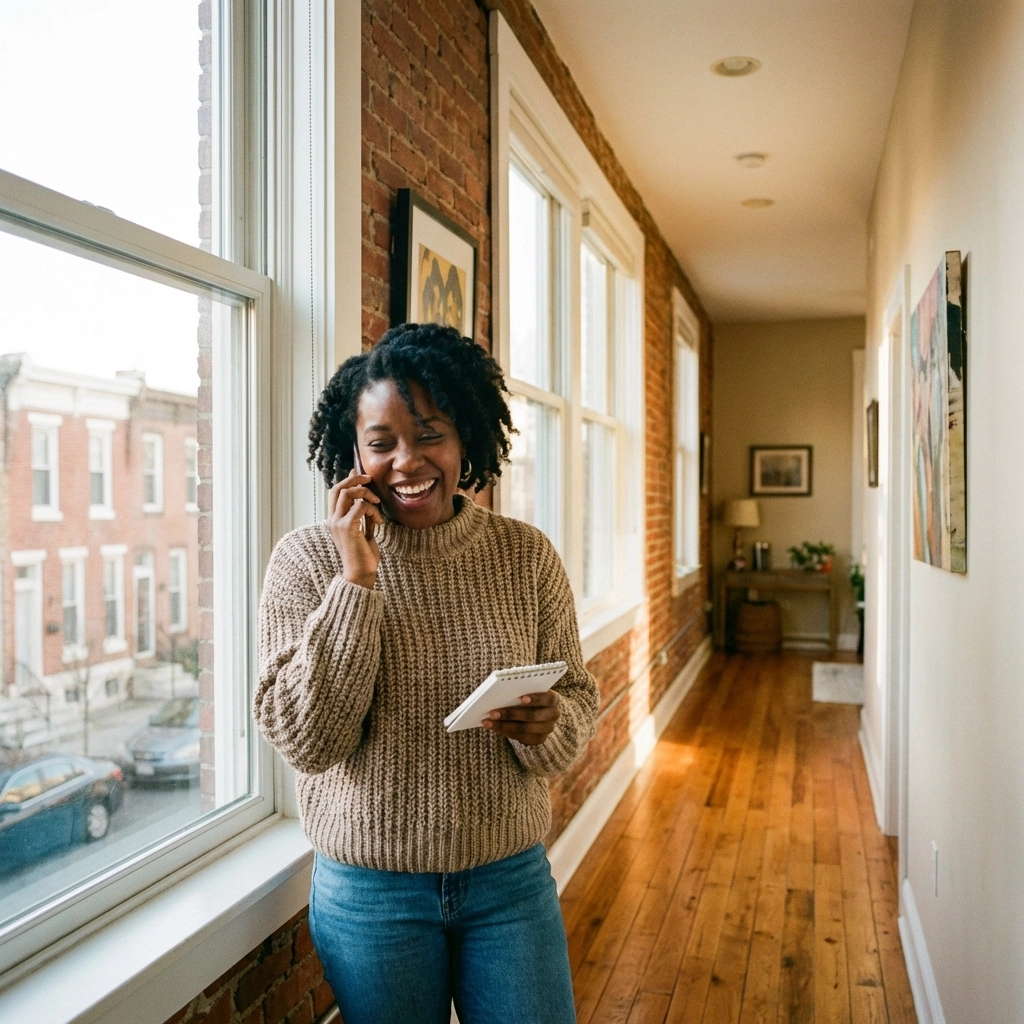
Phone calls: Great for urgent issues or complex conversations that need back-and-forth discussion. If your heat goes out in January, don't wait for an email response, call!
Text messages: Perfect for quick updates or reminders, like confirming an appointment time. Just don't rely on texts for serious issues.
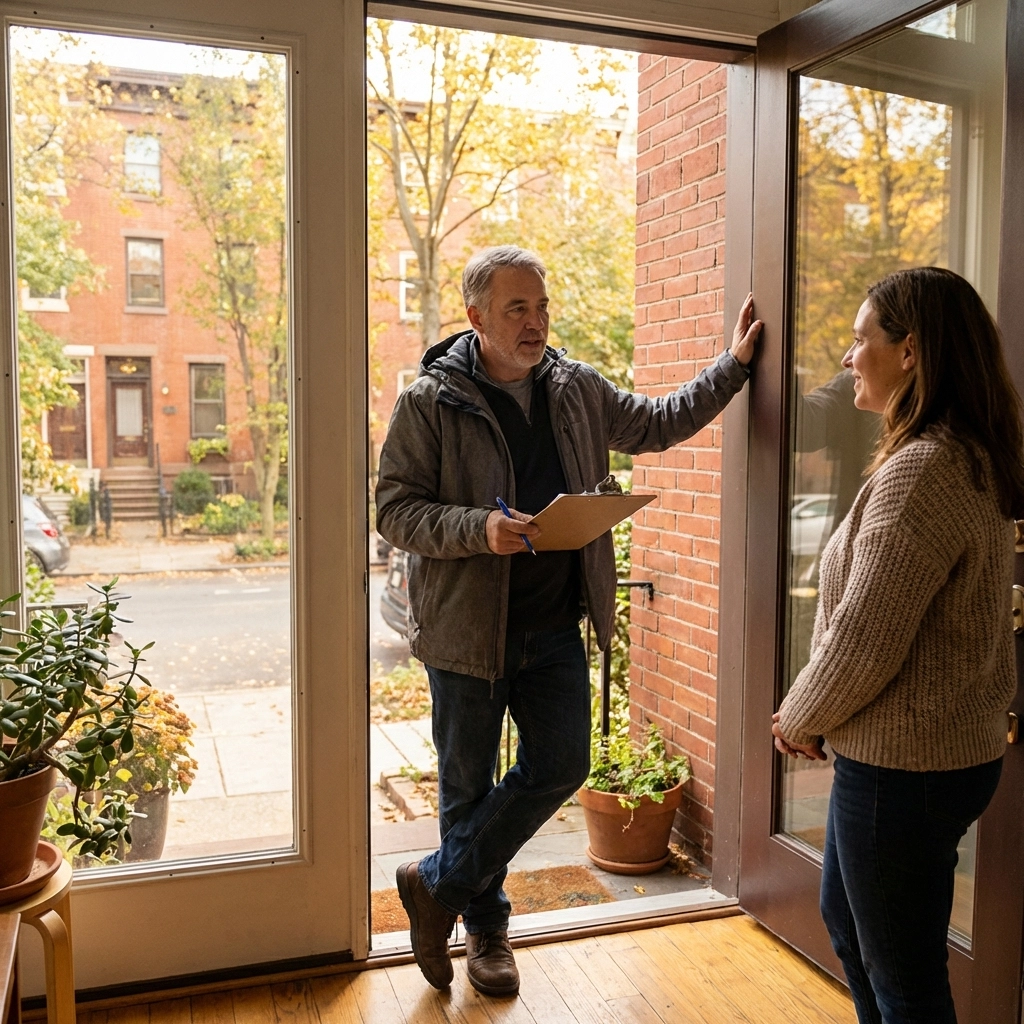
In-person conversations: Ideal for building rapport or discussing sensitive topics where tone matters.
Pro tip: When in doubt, put it in writing. Even if you discuss something over the phone, follow up with a quick email summarizing what you talked about. This protects both you and your landlord.
Keep It Professional (But Friendly)
You don't need to be stiff or formal, but you should treat every interaction with your landlord like a professional relationship. That means:
Using polite, respectful language
Sticking to the facts
Avoiding emotional outbursts or accusations
Being clear about what you need
Think of it this way: your landlord probably manages multiple properties and deals with all kinds of tenants. Making their job easier by being clear and courteous goes a long way.
Example of what NOT to say:
"The sink has been broken forever and you never fix anything! This is ridiculous!"
Example of what TO say:
"Hi [Landlord's name], I wanted to let you know the kitchen sink has been leaking for about a week now. I've placed a bucket underneath to catch the water, but I'd appreciate it if we could schedule a repair soon. Please let me know what times work for you. Thanks!"
See the difference? Same issue, totally different vibe.
Report Issues Promptly and Clearly
When something breaks or goes wrong in your apartment, don't wait to report it. The longer you wait, the worse the problem can get, and the harder it may be to fix.
When you reach out about a maintenance issue, include:
What the problem is: Be specific. "The bathroom faucet is dripping constantly" is better than "something's wrong with the bathroom."
When it started: This helps your landlord understand the urgency.
Any relevant details: Is there water damage? Does it only happen at certain times? Include photos if possible.
Your availability: Let them know when you're home for repairs.
Sample maintenance request:
Subject: Maintenance Request – Leaking Bathroom Faucet Hi [Landlord's name], I'm writing to report a leak in my bathroom faucet at [your address]. It started dripping about three days ago and has gotten worse. I've attached a photo so you can see the issue. I'm available for a repair visit Monday through Wednesday after 5 PM, or anytime on Saturday. Please let me know what works best. Thanks so much, [Your name] [Your phone number]
Short, clear, and helpful. That's the goal.
Document Everything
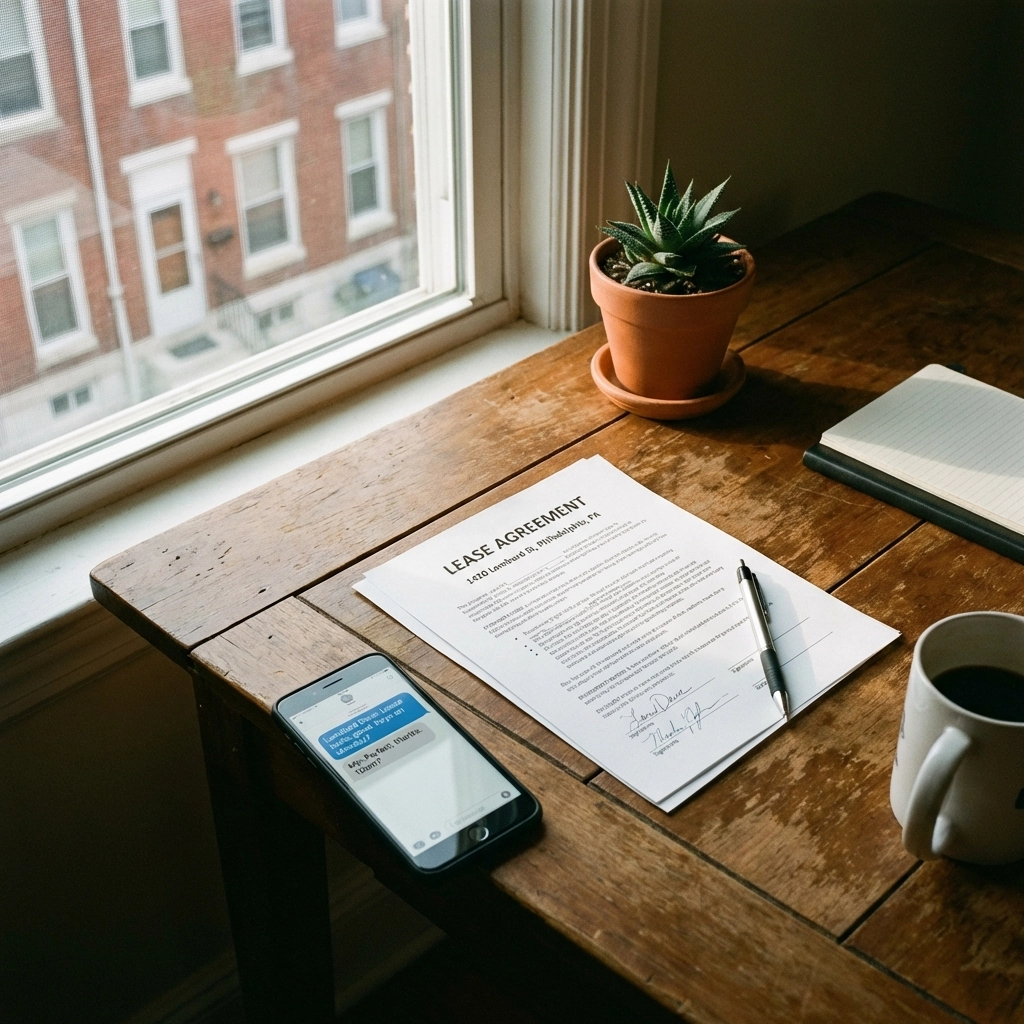
This one's huge. Keep records of all your communications with your landlord: emails, texts, even notes from phone calls. If you ever have a dispute, this documentation can be a lifesaver.
Here's what to save:
Copies of your lease and any amendments
All maintenance requests and responses
Rent payment receipts
Any written agreements or promises
Photos of issues (with dates)
Many landlords and property management companies use online portals where you can submit requests and track conversations. If yours does, use it! It automatically keeps a record of everything.
If you're working with us at Philadelphia Affordable Housing, we make this easy. Our team is always available to help you navigate communication with landlords, and we keep detailed records throughout your tenant application process and beyond.
Ask Questions and Clarify Expectations
Don't be afraid to ask questions: especially when you're moving into a new place. It's way better to clarify things upfront than to make assumptions that lead to problems later.
Questions to ask your landlord early on:
How should I pay rent, and when is it due?
What's the process for submitting maintenance requests?
Are there any rules about guests, pets, or parking?
Who should I contact in an emergency?
What utilities am I responsible for?
If your landlord provides a welcome packet or tenant manual, read it carefully. If they don't, consider asking for one or creating your own list of important info.
Practice Active Listening
Communication is a two-way street. When your landlord responds to your concerns, take the time to actually listen (or carefully read their message). If something isn't clear, ask follow-up questions.
Active listening looks like:
Acknowledging what they said: "Thanks for explaining that: I understand now."
Asking for clarification: "Just to make sure I've got it right, you're saying the repair will happen on Thursday?"
Staying calm, even if you disagree: "I see your point. Can we talk about some other options?"
This kind of respectful back-and-forth builds trust and makes it easier to resolve issues.
What to Do If Communication Breaks Down
Sometimes, despite your best efforts, things don't go smoothly. Maybe your landlord isn't responding to your requests, or you feel like you're being ignored.
Here's what to try:
Follow up in writing. Send a polite reminder email referencing your previous message.
Escalate if needed. If your landlord works with a property management company, contact them directly.
Know your rights. In Philadelphia, tenants have legal protections. If your landlord isn't meeting their obligations, you may have options.
Seek help. Organizations like Philadelphia Affordable Housing can help you navigate tricky situations and advocate on your behalf.
"The goal isn't to win an argument: it's to solve the problem," as one housing expert puts it. Keep that mindset, and you'll handle even tough conversations with grace.
Final Thoughts
Good communication with your landlord doesn't have to be complicated. It comes down to being clear, respectful, and proactive. Report issues promptly, document everything, choose the right communication method, and don't be afraid to ask questions.
At Philadelphia Affordable Housing, we're here to support you every step of the way: from your initial tenant application to settling into your new home. If you ever need guidance on how to handle a landlord conversation, reach out. We've got your back.
Happy renting, Philly!
Comments