
How to Be a Standout Tenant: 7 Habits Philadelphia Landlords Love

Looking for ways to build a great relationship with your Philadelphia landlord? Whether you're searching for your first rental in the City of Brotherly Love or want to strengthen your current landlord-tenant relationship, developing the right habits can make all the difference. Great tenants don't just happen by accident, they cultivate specific behaviors that make landlords happy to have them.
Here's the thing: when landlords love having you as a tenant, everyone wins. You're more likely to get lease renewals, reasonable rent increases, quick maintenance responses, and positive references for future rentals. Plus, you'll enjoy a stress-free living situation where both parties respect each other.
Let's dive into the seven habits that Philadelphia landlords absolutely love seeing in their tenants.
1. Pay Your Rent On Time, Every Single Time
This one might seem obvious, but it's worth emphasizing because it's the foundation of everything else. When you consistently pay your rent on time, or better yet, a few days early, you're telling your landlord that you're reliable and financially responsible.
Here's what "on time" really means:
Set up automatic payments through your bank or a payment app
Pay a few days before the due date to account for processing delays
Keep track of due dates even if they fall on weekends or holidays
Communicate immediately if you anticipate any payment issues
Philadelphia landlords deal with enough headaches without having to chase down rent payments. When you make this part of their business effortless, they'll remember it come lease renewal time.

2. Master the Art of Clear, Respectful Communication
Good communication prevents small issues from becoming big problems. Philadelphia landlords appreciate tenants who know how to express their needs professionally and respectfully.
Do this:
Use proper channels (text, email, or phone as preferred by your landlord)
Be specific about what you need
Provide context and details when reporting issues
Respond promptly to landlord communications
Say "please" and "thank you"
Not this:
Making demands instead of requests
Sending angry or threatening messages
Ignoring landlord communications
Being vague about problems or needs
Remember, your landlord is more likely to accommodate reasonable requests when you approach them with respect and professionalism.
3. Treat the Property Like You Own It
This habit shows your landlord that you genuinely care about the space you're living in. When you treat the property with respect, you're protecting their investment while creating a better living environment for yourself.
Property care basics:
Keep it clean: Regular cleaning prevents pest problems and maintains the unit's condition
Report damage immediately: Don't let small issues turn into expensive repairs
Use fixtures properly: Don't hang heavy items without permission or use spaces for unintended purposes
Maintain outdoor spaces: If you have access to a yard or balcony, keep it tidy
Be mindful of wear and tear: Some aging is normal, but unnecessary damage isn't
Philadelphia's older housing stock requires extra attention to details like proper heating usage, plumbing care, and maintaining original features that give these properties their character.
4. Be the Neighbor Everyone Wants
Your relationship with neighbors directly affects your landlord's property management experience. Landlords love tenants who contribute to a peaceful, friendly community atmosphere.
Good neighbor habits include:
Keeping noise levels reasonable, especially during evening and early morning hours
Being friendly but respecting privacy boundaries
Handling conflicts directly and maturely with neighbors when possible
Participating in building or neighborhood community activities when appropriate
Being considerate with shared spaces like hallways, laundry rooms, or outdoor areas
Philadelphia's dense neighborhoods mean your actions affect more people than you might realize. When neighbors like having you around, your landlord rarely hears complaints: and that makes you a valuable tenant.

5. Report Maintenance Issues Promptly (And Properly)
Here's a habit that benefits everyone: catching and reporting maintenance issues early, before they become expensive problems. Philadelphia landlords especially appreciate this because many rental properties are older buildings that require ongoing attention.
When reporting maintenance issues:
Document everything: Take photos and note when you first noticed the problem
Be descriptive: Instead of "the sink is broken," try "the kitchen sink faucet drips constantly and won't turn off completely"
Follow up appropriately: Give reasonable time for responses, but don't let urgent issues slide
Be available for repairs: Work with your landlord to schedule convenient times for maintenance visits
Don't attempt major repairs yourself: Let professionals handle anything beyond basic maintenance
Quick reporting helps landlords budget for repairs and prevents emergency situations that cost everyone more money and stress.
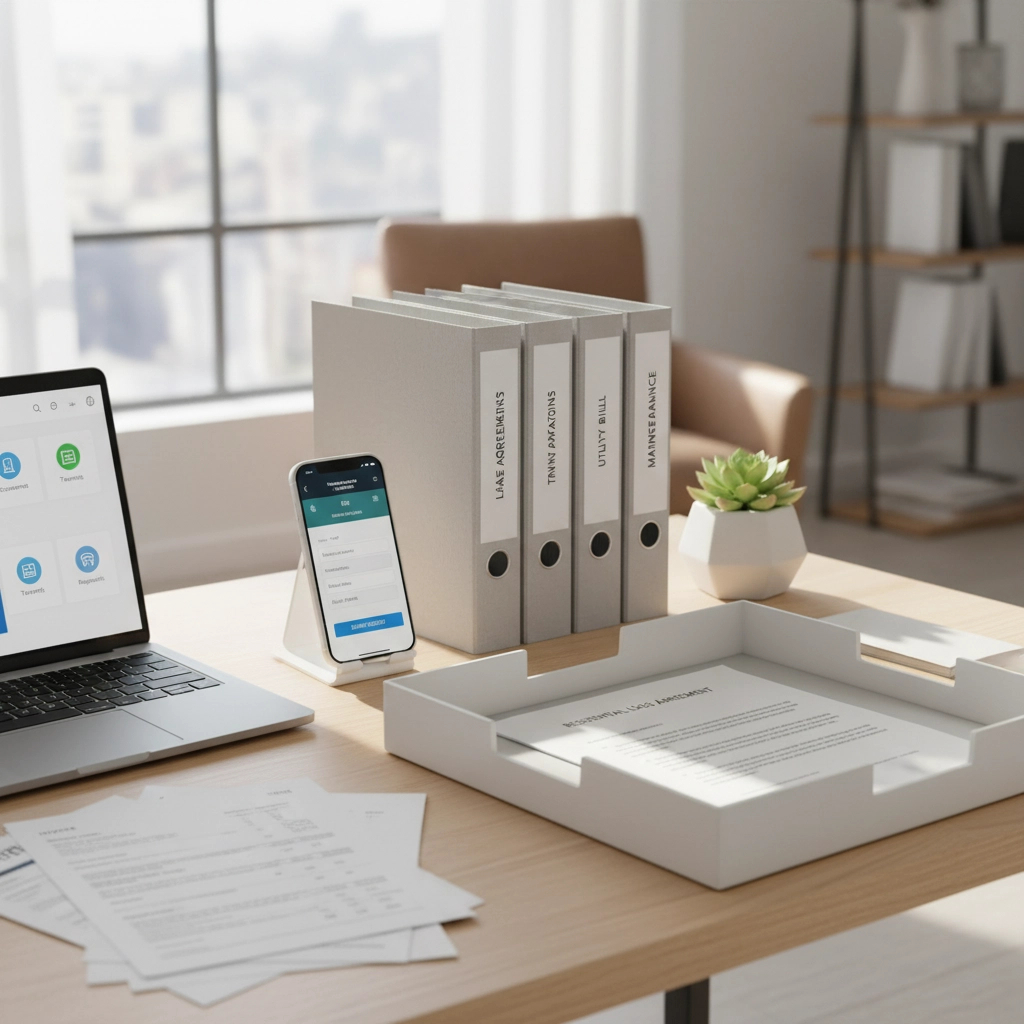
6. Stay Organized With Your Documentation
Organization might seem like a personal habit, but it makes your landlord's life much easier when you need to interact about lease matters, maintenance issues, or move-out procedures.
Keep these documents organized:
Lease agreement and any amendments
Rent payment records
Communication history with your landlord
Move-in inspection reports and photos
Maintenance request records
Receipts for any tenant-responsibility repairs or improvements
Pro tip: Create a simple folder system (digital or physical) where you can quickly find any document related to your tenancy. When your landlord needs information, you can provide it immediately instead of making them wait while you search through emails or paperwork.
This organizational habit is especially valuable in Philadelphia, where tenant protections and landlord responsibilities are clearly defined by local laws. Having good records protects both you and your landlord if any disputes arise.
7. Honor Your Lease Terms and Be Completely Honest
This final habit ties everything together: being a tenant of integrity who follows through on commitments and communicates honestly about any changes in circumstances.
Following lease terms means:
Adhering to occupancy limits: Don't have unauthorized long-term guests
Respecting pet policies: If pets aren't allowed, don't sneak them in
Using the property as intended: Residential spaces shouldn't become business operations without permission
Maintaining required insurance: If renters insurance is required, keep it current
Giving proper notice: Follow lease terms for renewals, changes, or move-out procedures
Being honest includes:
Disclosing changes in household composition
Reporting any damage or issues immediately
Being upfront about financial changes that might affect rent payments
Communicating about job changes, emergency contacts, or other relevant life updates
Philadelphia landlords work within a complex regulatory environment, and honest tenants help them maintain compliance while building trust that benefits everyone involved.
The Bottom Line: It's All About Mutual Respect
These seven habits create a foundation of mutual respect between you and your Philadelphia landlord. When you consistently demonstrate reliability, communication skills, and genuine care for the property and community, you become the kind of tenant that landlords want to keep around.
Remember, a good landlord-tenant relationship isn't just about avoiding problems: it's about creating a positive experience where both parties feel respected and valued. By developing these habits, you're not just being a good tenant; you're investing in your own housing stability and quality of life.
Whether you're currently searching for affordable housing in Philadelphia or want to improve your relationship with your current landlord, these habits will serve you well throughout your renting journey in the City of Brotherly Love.
Looking for more resources about Philadelphia rental laws, tenant rights, or finding quality affordable housing? Visit our information center for additional guidance and support.
Comments