
Handling Neighbors&Complaints: Tips for a Peaceful Living Experience

Living in an apartment community means sharing walls, hallways, and common spaces with your neighbors. It's one of the realities of affordable housing, and honestly, most housing in general. While most neighbors are perfectly pleasant, disagreements can (and do) happen. Whether it's noise complaints, parking disputes, or pet problems, knowing how to handle these situations can make all the difference in your day-to-day life.
Here's the good news: most neighbor complaints can be resolved without drama, hard feelings, or involving your landlord. Let's walk through some practical tips for keeping the peace and creating a living environment everyone can enjoy.
Why Neighbor Conflicts Happen
First, let's talk about why these situations pop up in the first place. Research shows that a whopping 73 percent of homeowners report disliking at least one neighbor, and renters aren't immune to these feelings either. The most common complaints usually involve:
Noise (loud music, TV, footsteps, parties)
Pets (barking dogs, cats in common areas, pet waste)
Parking (taking someone's spot, blocking driveways)
Property boundaries (shared spaces, storage areas)
Maintenance and cleanliness (trash, clutter in hallways)
The thing is, many of these issues happen unintentionally. Your upstairs neighbor might not realize their footsteps sound like a herd of elephants at 6 AM. Your next-door neighbor might not know their dog barks all day while they're at work. A little understanding goes a long way.

Start with a Friendly Conversation
Before you do anything else, try talking to your neighbor directly. Yes, it can feel awkward, but it's usually the fastest and most effective solution. Most people genuinely don't want to bother others and will appreciate you coming to them first instead of going straight to management.
Here are some tips for having that conversation:
Stay calm and friendly. Approach them with a smile, not an attitude.
Pick the right time. Don't knock on their door at midnight or when they're clearly busy.
Be specific but not accusatory. Instead of saying "You're always so loud," try "Hey, I've noticed some noise coming through the walls late at night. Would you mind keeping it down after 10 PM?"
Listen to their side. They might have a perfectly reasonable explanation or not even realize there was a problem.
As one trained mediator puts it, "Both parties typically share the same goal: to live peacefully in their homes." When you approach the conversation with that mindset, you're much more likely to reach a solution that works for everyone.
Know Your Rights and Community Rules
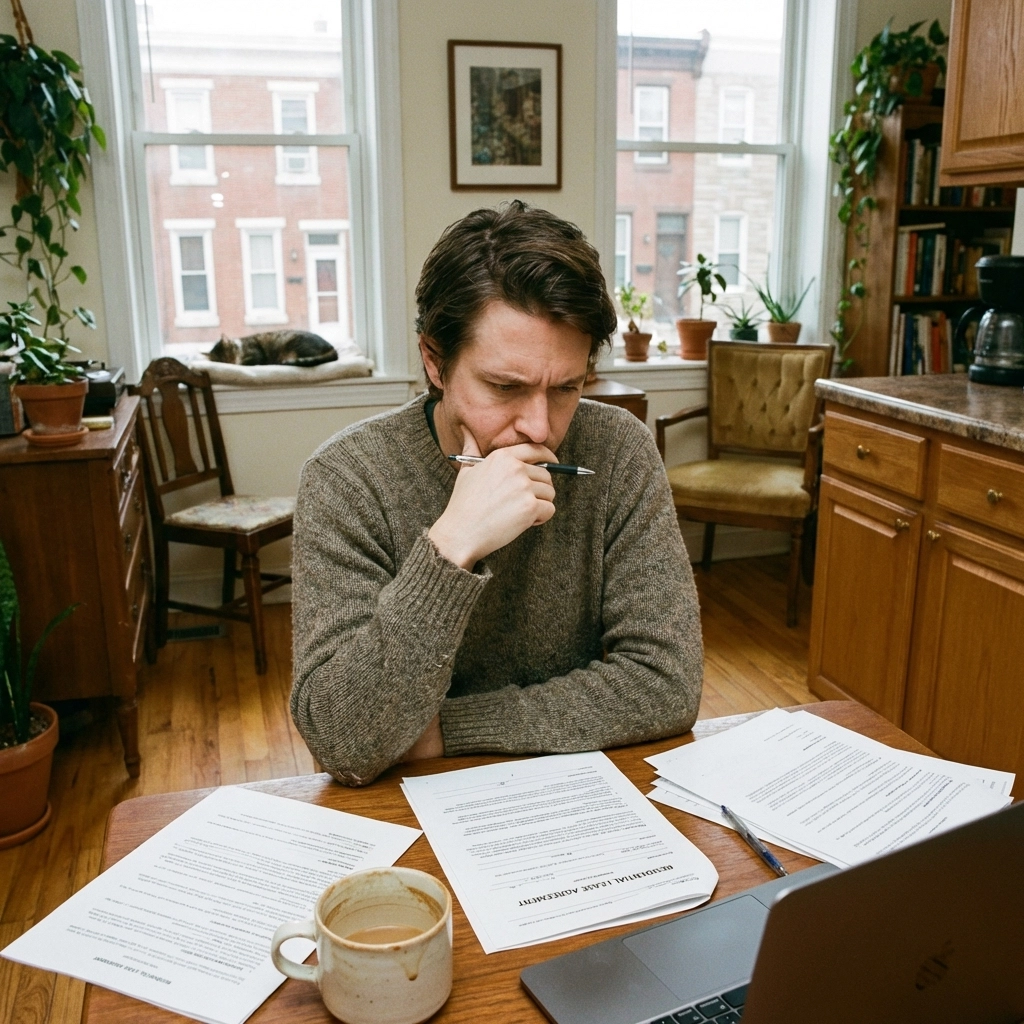
Before you have that conversation: or if the conversation doesn't go well: it helps to know what rules actually exist. Every apartment community has guidelines, and understanding them puts you in a stronger position.
Take some time to review:
Your lease agreement (noise policies, pet rules, parking assignments)
Community rules posted by your landlord or property manager
Local ordinances in Philadelphia regarding noise levels, quiet hours, etc.
If you're not sure what the rules are, don't hesitate to reach out to your property manager or check out resources at philadelphiaaffordablehousing.com/info. Knowledge is power, and knowing the rules can help you determine whether a neighbor's behavior is actually against policy or just annoying.
Document Everything
If your friendly conversation doesn't work and the problem continues, it's time to start keeping records. This might feel a little over-the-top, but trust us: documentation matters if things escalate.
Keep track of:
Dates and times of each incident
What happened (be specific: "Loud music for 2 hours" is better than "They were noisy")
Any witnesses who can confirm what happened
Photos or videos if relevant (like trash left in common areas)
This documentation can be incredibly helpful if you need to file a formal complaint with your landlord or, in rare cases, involve outside parties like mediation services.
When to Involve Your Landlord
Sometimes, despite your best efforts, a direct conversation just doesn't cut it. That's when it's appropriate to loop in your landlord or property manager.
Here's when you should consider reaching out:
You've already tried talking to your neighbor and the problem continues
The issue involves a lease violation (like unauthorized pets or illegal activity)
You feel unsafe or uncomfortable approaching your neighbor directly
The behavior is affecting your ability to enjoy your home
When you contact your landlord, be professional and stick to the facts. Share your documentation and explain what steps you've already taken. Most property managers want to maintain a peaceful community and will take your concerns seriously.
Pro tip: If you're in the process of filling out a tenant application for a new place, consider asking about the community's policies for handling neighbor disputes. It's a great way to gauge how supportive management will be if issues arise.

Consider Mediation
If direct communication and landlord involvement haven't resolved the issue, mediation might be your next step. A mediator is a neutral third party who helps both sides talk through the problem and reach an agreement.
Why mediation works:
It's less confrontational than legal action
It's usually low-cost or even free (many communities offer mediation services)
It helps preserve relationships so you can continue living near each other
In Philadelphia, you can find mediation services through local community organizations or even some police departments. It's a great option when emotions are running high and you need someone objective to help facilitate the conversation.
Preventing Future Conflicts
Once you've resolved a neighbor dispute: or better yet, before one even starts: there are steps you can take to prevent future problems.
Be a good neighbor yourself:
Keep noise levels reasonable, especially during quiet hours
Clean up after your pets
Respect shared spaces and parking areas
Communicate proactively if you're having a party or expect extra noise
Build relationships:
Say hi in the hallway
Participate in community events if your building hosts them
Get to know your neighbors' names and a little about them
Set clear expectations:
If you share walls or spaces, have a quick conversation about preferences
Written agreements about shared storage or parking can prevent misunderstandings
As the saying goes, "Good fences make good neighbors": but in apartment living, good communication does the trick.

When Safety Is a Concern
We've focused on everyday disputes, but it's important to address situations where safety is at risk. If a neighbor's behavior is threatening, illegal, or makes you fear for your safety, don't hesitate to take action.
Contact your landlord immediately with details about the situation
Call the non-emergency police line for situations that aren't immediate emergencies but require intervention
Call 911 if you're in immediate danger
Your safety always comes first. No one should have to feel unsafe in their own home.
Final Thoughts
Living in close quarters with others isn't always easy, but it doesn't have to be stressful either. Most neighbor complaints can be resolved with a calm conversation, a little patience, and a willingness to see things from the other person's perspective.
Remember: you're both just trying to live your lives peacefully. By approaching conflicts with empathy and following these tips, you can create a more harmonious living experience for yourself and everyone around you.
Looking for more resources on renting in Philadelphia? Visit philadelphiaaffordablehousing.com/info for helpful guides, tips, and support for affordable housing tenants.
Comments