
Getting Your Deposit Back: A Philly Renters Guide Landlords Wish More Tenants Read
- Philadelphia Affordable Housing
- Nov 23, 2025
- 6 min read
Let's be real – getting your security deposit back shouldn't feel like pulling teeth, but for too many Philly renters, that's exactly what it feels like. Here's the thing: most deposit disputes happen because tenants don't know their rights or skip crucial steps that protect them. As someone who's seen countless deposit battles from both sides, I'm here to give you the insider knowledge that'll help you get every penny back that you deserve.
The good news? Pennsylvania law is actually pretty tenant-friendly when it comes to security deposits. The bad news? Most renters don't know how to use these protections to their advantage.
Understanding Your Rights in Philadelphia
First things first – you need to know what Pennsylvania law says about your deposit. Your landlord has exactly 30 days after you move out to either return your full deposit or send you what's left along with an itemized list explaining every single deduction.
If they miss that 30-day deadline or can't justify their deductions? You can take them to court and potentially get double your deposit back. That's right – if your landlord tries to pull a fast one, they might end up paying you twice what they owe.
But here's the catch: these protections only work if you follow the rules too. And that's where most tenants mess up.

Before You Move Out: Setting Yourself Up for Success
Document Everything Like Your Deposit Depends On It
Take photos of every single room when you first move in, and then again right before you leave. I'm talking about everything – walls, floors, fixtures, appliances, even the inside of cabinets. Make sure your photos are timestamped or dated somehow.
Why? Because three months after you move out, your landlord might suddenly "remember" that hole in the bedroom wall that was actually there when you moved in. Your photos are your best defense against false damage claims.
Give Proper Written Notice
Send your landlord a written letter at least 30 days before you plan to move out. Include your exact move-out date and keep a copy for yourself. This isn't just being polite – it's protecting your legal rights and preventing any confusion about when your lease officially ends.
Clean Like You're Expecting Company
I know, I know – you're already stressed about moving and the last thing you want to do is deep clean. But trust me, a few hours of cleaning can save you hundreds of dollars in "cleaning fees."
Focus on:
Scrubbing the bathroom and kitchen thoroughly
Vacuuming or mopping all floors
Wiping down all surfaces and appliances
Removing any personal items you've attached to walls
Handle Repairs Before You Leave
If you've accidentally damaged something beyond normal wear and tear, fix it yourself if it's reasonable to do so. A small hole in the wall from hanging a picture? Grab some spackle and paint. It'll cost you $20 instead of the $200 your landlord might charge for "professional repair."
After You Move Out: The Critical Steps
Provide Your Forwarding Address – This Is HUGE
This is probably the most important thing in this entire guide: you absolutely must give your landlord a written forwarding address where they can mail your deposit. If you don't do this, they can legally hold onto your money indefinitely.
Don't just text it or mention it in passing. Write it down, mail it certified mail, or hand-deliver it with a receipt. Make it official.
Return Every Single Key and Access Device
Missing keys are one of the top reasons landlords deduct from deposits. Before you leave, make sure you return:
All apartment keys
Mailbox keys
Garage door openers
Security cards or fobs
Any other access devices
If you can't meet in person, send them by certified mail so you have proof they were returned.
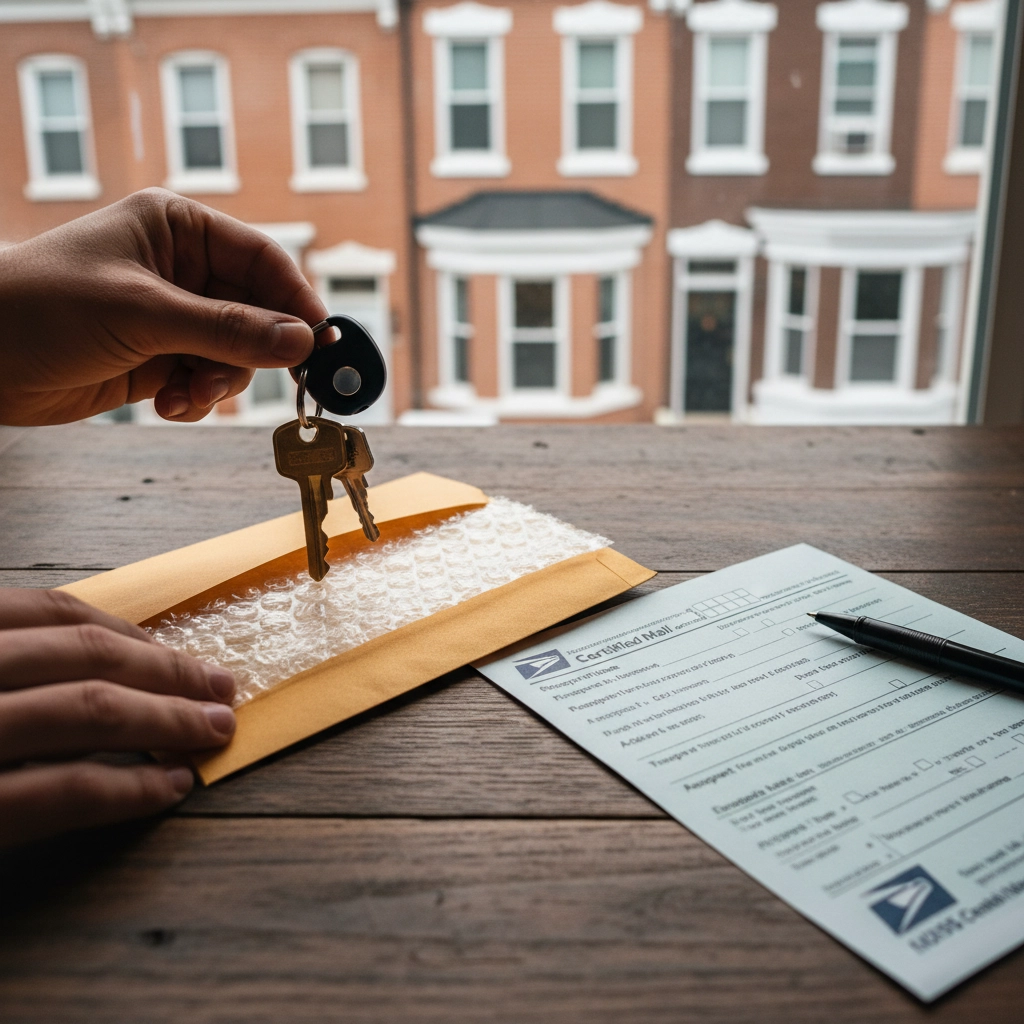
Send a Formal Deposit Request Letter
After you've moved out and returned everything, send your landlord a written letter formally requesting the return of your deposit. Keep a copy for your records – you'll need it if things go sideways later.
What Can (and Can't) Be Deducted From Your Deposit
Understanding what's legitimate helps you spot when a landlord is trying to rip you off. Here's what they can legally deduct:
Legitimate Deductions:
Unpaid rent or fees specified in your lease
Actual damage beyond normal wear and tear
Professional cleaning if specified in your lease and the unit truly needs it
Cost of replacing lost keys or remotes
What's NOT Legitimate:
Normal wear and tear (faded paint, worn carpet from regular use, minor scuffs)
Improvements or upgrades to the unit
Cleaning that you could reasonably do yourself
Deductions without proper documentation
The key phrase here is "normal wear and tear." If you lived somewhere for two years, the paint is going to look a little worn. That's expected and your landlord can't charge you for it.
The 30-Day Rule and What Happens Next
Once you've moved out and provided your forwarding address, the clock starts ticking. Your landlord has 30 days to either:
Return your full deposit, or
Return what's left along with an itemized statement explaining every deduction
That itemized statement isn't optional – Pennsylvania law requires it. If your landlord sends you a check for half your deposit with a note saying "cleaning and repairs," that doesn't cut it. They need to specify exactly what cleaning cost how much and what repairs were needed.
If you lived in your place for more than two years and your deposit was over $100, you might also be entitled to interest on that deposit. Pennsylvania requires landlords to put deposits in interest-bearing accounts in these situations.

When Things Go Wrong: Your Legal Options
So what happens if your landlord doesn't return your deposit on time, or you think their deductions are bogus? You've got options, and they're better than you might think.
Small Claims Court in Philadelphia
You can file a case at Philadelphia Municipal Court (1339 Chestnut Street, 10th floor). If your landlord completely ignored the 30-day deadline, you can sue for double your deposit amount. Even if they responded but you disagree with the deductions, you can still take them to court.
The filing fee might seem daunting, but if you qualify financially, you can request to file "In Forma Pauperis" which waives the fees.
The Power of Double Damages
Here's what makes Pennsylvania's law so tenant-friendly: if your landlord can't justify keeping your money, you don't just get your deposit back – you can get up to double the amount as damages. This gives landlords a real incentive to follow the law.
Pro Tips That Make All the Difference
Keep Everything in Writing
Every conversation about your deposit should be followed up with an email or letter. "Hi John, just wanted to confirm our conversation today about the move-out inspection on March 15th." This creates a paper trail that's invaluable if you end up in court.
Know the Difference Between Cleaning and Damage
Your landlord can charge you for cleaning if your lease specifically allows it and the unit actually needs professional cleaning beyond normal tidying up. But they can't charge you $300 for "cleaning" when all that was needed was a quick vacuum and wipe-down.
Don't Be Intimidated by Fancy Letterhead
Some landlords or management companies send official-looking letters claiming all sorts of deductions hoping you'll just accept it and move on. Know your rights and don't be afraid to push back if something doesn't seem right.
Consider the Cost-Benefit of Fighting
While it's important to know your rights, also consider whether it's worth your time and energy to fight for a small amount. If your landlord keeps $50 for a questionable cleaning fee, the cost of taking time off work for court might not be worth it. But for larger amounts or clear violations of the law, absolutely stand up for yourself.
The bottom line is this: getting your full deposit back is absolutely doable if you know the rules and follow them. Most landlords are honest and will return your deposit fairly if you hold up your end of the bargain. But for those few who try to take advantage, knowing your rights and having good documentation will protect you every time.
Remember, landlords want tenants who understand the process and follow it correctly. It makes their job easier too. When you document everything, communicate clearly, and follow the legal requirements, you're not just protecting yourself – you're making the whole rental process smoother for everyone involved.