
7 Mistakes You're Making with Rental Applications in Philadelphia (and How to Fix Them)

Looking for an apartment in Philadelphia can feel like navigating a maze blindfolded. Between the competitive market and endless paperwork, it's easy to make mistakes that could cost you your dream place. We've seen thousands of tenant applications come through our doors, and trust us – the same errors keep popping up again and again.
The good news? These mistakes are totally fixable once you know what to look for. Whether you're eyeing a cozy spot in Fishtown or a modern apartment in Center City, avoiding these common pitfalls will put you way ahead of the competition.
Mistake #1: Submitting Incomplete Applications
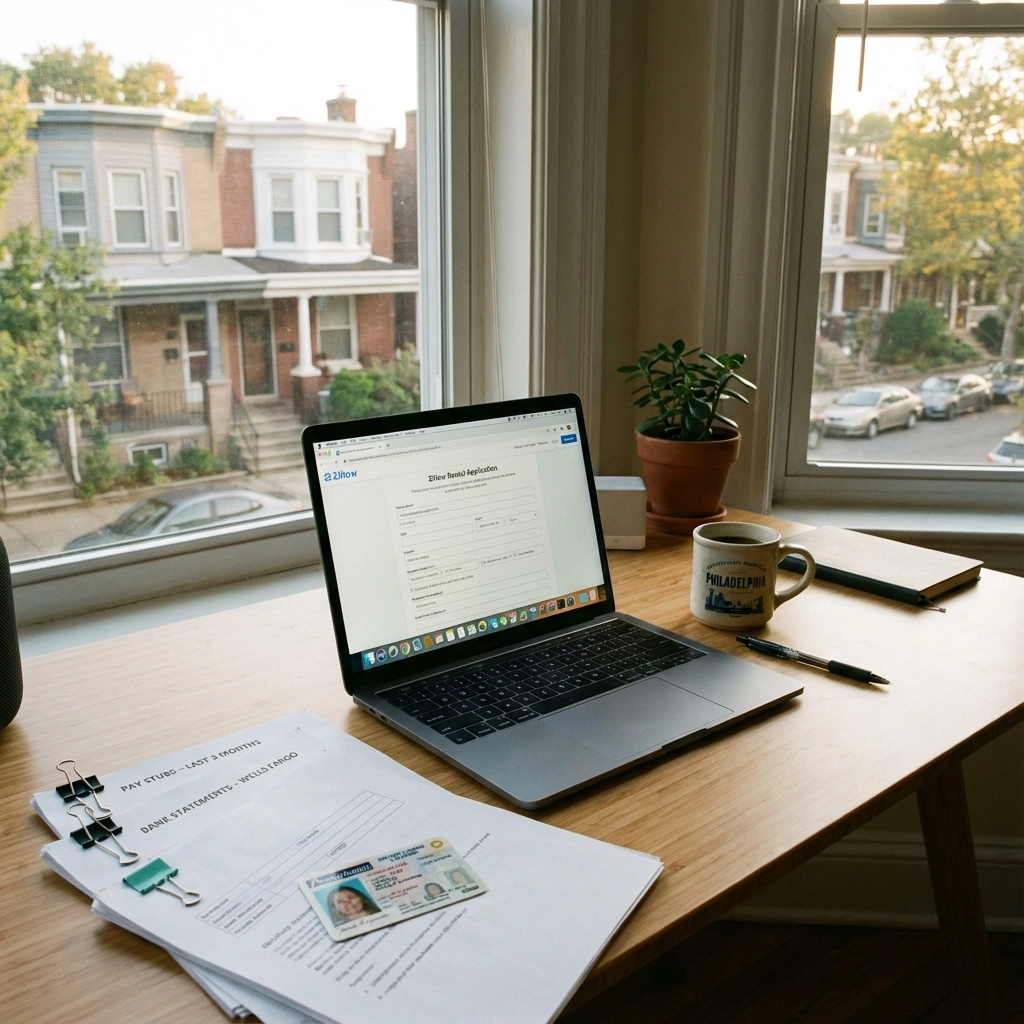
Picture this: a landlord has 20 applications for their apartment, and yours is missing your most recent pay stub. Guess what happens? Your application goes straight to the "no" pile, and they move on to the next one.
Incomplete applications are the fastest way to get rejected, especially in Philadelphia's hot rental market. Missing documents or blank sections tell landlords you're either not serious about the property or can't follow basic instructions.
How to Fix It:
Start by creating a master checklist of everything you'll need for most applications:
Recent pay stubs (usually last 2-3 months)
Bank statements
Photo ID
Employment verification letter
Previous landlord references
Emergency contacts
Keep digital copies of everything stored in a folder on your phone or cloud storage. Before hitting submit on any application, go through each section twice. Better yet, ask a friend or family member to review it with fresh eyes.
Pro tip: Many landlords use the same application platforms, so once you have everything organized, you can apply to multiple places quickly and completely.
Mistake #2: Lying or Providing Inconsistent Information
Here's the thing about landlords – they check everything. That "small" gap in your employment history? They'll notice. The slight difference between what you wrote about your income versus what your pay stub shows? Red flag city.
We get it. Sometimes your financial situation isn't perfect, and you might feel tempted to fudge some numbers. But inconsistent information is worse than imperfect information. Landlords would rather rent to someone honest about their challenges than someone who can't keep their story straight.
How to Fix It:
Honesty really is the best policy here. If you have a gap in employment, briefly explain it in your application. Had some credit issues in the past? Mention the steps you've taken to improve your financial situation.
Make sure every document tells the same story. If your employer's name appears differently on various documents, pick one version and stick with it throughout your entire application. Double-check that dates, salaries, and addresses match across all your paperwork.
Remember, Philadelphia's tenant protection laws are getting stronger, which means landlords are focusing more on your ability to pay rent than achieving a perfect credit score.
Mistake #3: Providing Inadequate Proof of Income
"I make good money" doesn't cut it anymore. Landlords need cold, hard proof that you can afford the rent, and a blurry photo of a pay stub from three months ago won't inspire confidence.
The general rule in Philadelphia is that your gross monthly income should be at least three times the monthly rent. So if you're looking at a $1,200 apartment, you need to show consistent income of at least $3,600 per month.
How to Fix It:
Gather rock-solid income documentation:
Clear, recent pay stubs from the last 2-3 months
Bank statements showing regular deposits
If you're self-employed: tax returns or profit/loss statements
An employment verification letter on company letterhead
Make sure your pay stubs are legible – take high-quality photos or scan them properly. If your income varies (like freelance work or tips), consider providing extra months of documentation to show consistency.
For those with non-traditional income sources, consider getting a letter from your accountant or providing additional documentation like client contracts.
Mistake #4: Ignoring Your Credit Score
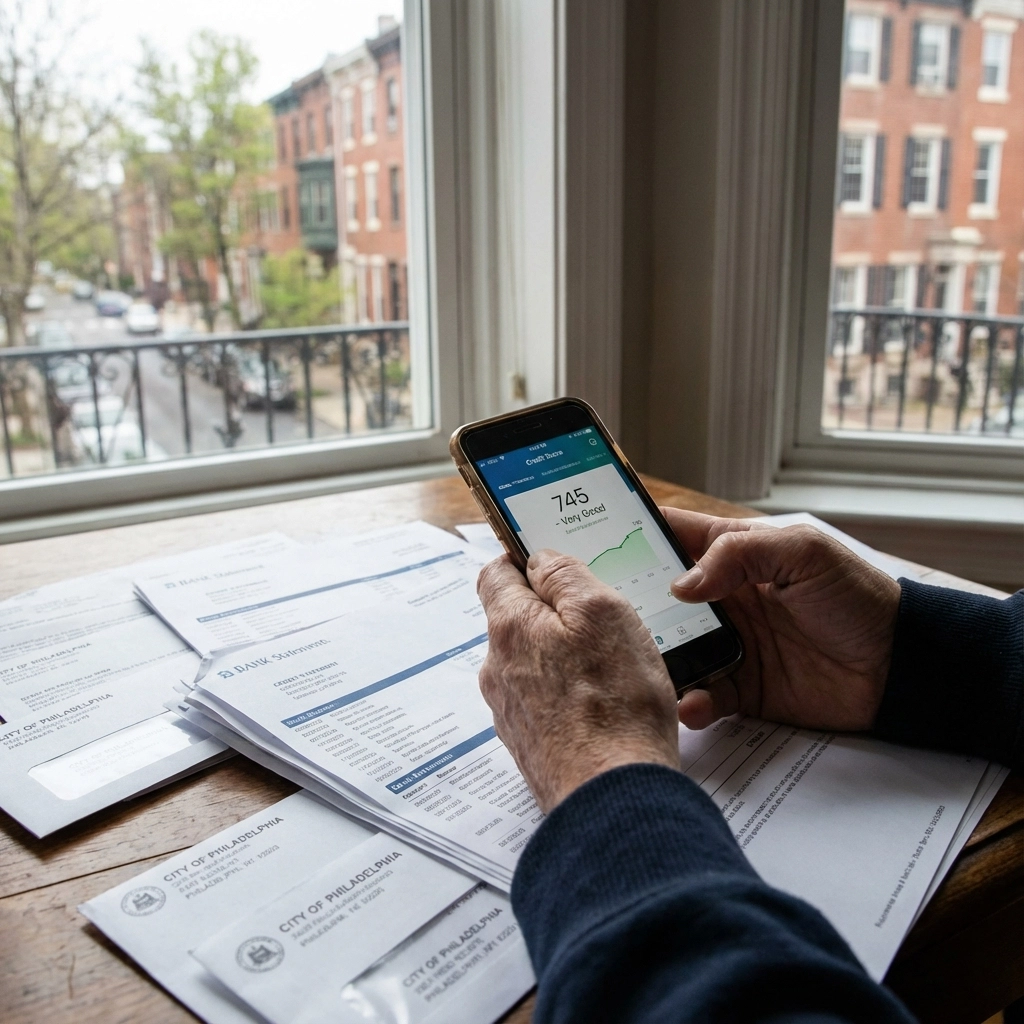
Many Philadelphia renters haven't checked their credit in years, then wonder why they keep getting rejected. Your credit report might contain errors, outdated information, or forgotten debts that are definitely hurting your chances.
Even worse, you might be applying for apartments that require a credit score you simply don't have. Different neighborhoods and price points have different credit expectations.
How to Fix It:
Check your credit report before you start apartment hunting. You can get a free report from each of the three major credit bureaus once per year. Look for:
Errors in personal information
Debts that should have been removed
Accounts you don't recognize
Old late payments that might be disputable
If you find errors, dispute them with the credit bureau. This process can take 30-45 days, so don't wait until the last minute.
If your credit needs work, consider looking at apartments through programs that focus on affordability rather than perfect credit. You can find more information about these options at https://www.philadelphiaaffordablehousing.com/info.
Mistake #5: Applying for Apartments You Can't Actually Afford
We see this all the time: someone making $3,000 a month applying for a $1,400 apartment in a trendy neighborhood. The math just doesn't work, and you're wasting both your time and the landlord's.
Beyond the basic income requirements, you also need to factor in utilities, parking fees, pet deposits, and other costs that can add hundreds to your monthly housing expenses.
How to Fix It:
Before you fall in love with a place, do the math:
Calculate your maximum affordable rent (gross income ÷ 3)
Research additional costs like utilities and parking
Factor in one-time costs like security deposits and broker fees
Consider your other monthly expenses and debt payments
For example, if you make $4,000 per month, your maximum rent should be around $1,300. But if you have significant student loans or car payments, you might want to target something closer to $1,000 to avoid being house-poor.
Be realistic about your budget from the start, and you'll save yourself a lot of heartache and application fees.
Mistake #6: Not Researching the Property or Neighborhood
Applying sight unseen is risky business in Philadelphia. That "charming historic building" might be right next to the El tracks, or that "quiet neighborhood" might be a 45-minute commute to your job.
Beyond the property itself, you need to understand whether the neighborhood fits your lifestyle. Do you need parking? Is there a grocery store nearby? How's the safety situation?
How to Fix It:
Do your homework before applying:
Visit the neighborhood at different times of day
Check crime statistics and safety ratings
Research commute times to your workplace
Look up nearby amenities like grocery stores, restaurants, and pharmacies
Read online reviews of the building or management company
If you can't visit in person, use Google Street View, check local Facebook groups, and read neighborhood forums. The more you know upfront, the better decisions you'll make.

Mistake #7: Lacking Supporting Documentation Beyond Income
Income proof is crucial, but landlords are looking at the whole picture. They're checking your background, calling your references, and verifying your rental history. If any piece of this puzzle is missing or problematic, your application might get tossed.
How to Fix It:
Put together a complete tenant application package:
Current photo ID (driver's license or state ID)
Employment verification letter on company letterhead
Contact information for professional and personal references
Previous landlord contact information and rental history
Clean background check results (if you can provide them proactively)
Make sure your references know they might be contacted, and brief them on why you're a great tenant. If you have any issues in your background or rental history, address them proactively with a brief explanation.
The Bottom Line
Applying for apartments in Philadelphia doesn't have to be a nightmare. With proper preparation and attention to detail, you can avoid these common mistakes and significantly improve your chances of getting approved.
Remember, landlords want to rent to responsible tenants who can pay rent on time and take care of the property. By submitting complete, honest, and well-documented applications, you're showing them exactly that.
The rental market in Philadelphia is competitive, but it's not impossible. Take the time to prepare properly, be honest about your situation, and don't apply for places outside your budget. With these fixes in mind, you'll be holding those keys in no time.
Comments